
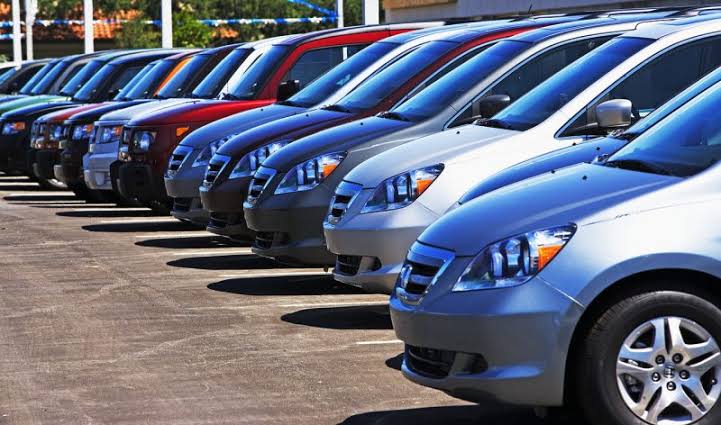
Exporting vehicles from Nigeria is a growing opportunity for traders, dealers, and individuals. Many buyers in West Africa (Ghana, Benin, Togo, Cameroon), Central Africa (Chad, Gabon), and even East Africa seek used Nigerian cars because of relatively low prices, good condition compared to local markets, and availability of popular models like Toyota Corolla, Camry, RAV4, Highlander, Prado, Honda Accord, Civic, and others. The process is legal, but it involves several mandatory steps, fees, and paperwork. Mistakes can lead to delays, extra costs at the port, or even seizure of the vehicle. Below is the current (2026) step-by-step process explained clearly.
Step 1: Confirm the Vehicle Is Eligible for Export
Not every car can leave Nigeria. The Nigeria Customs Service (NCS) and the National Automotive Design and Development Council (NADDC) enforce rules. Vehicles must be:At least 8 years old from the year of manufacture (newer cars face very high export duties or outright bans in some cases).Fully paid for import duties (if tokunbo) with original customs papers.Free of liens, court orders, or police restrictions.Not stolen or recovered (check with police extract).Run a quick VIN check through a clearing agent or online service to confirm no issues. If the car has outstanding fines or is flagged, clear them first at the licensing office or police.
Step 2: Obtain the Export Certificate and Other Documents
Most exports from Nigeria go by sea (Lagos ports: Apapa or Tin Can Island) or by road to neighboring countries.For sea export:Use a licensed freight forwarder or clearing agent. Popular ones include Sifax, Maersk, or local agents at the ports.Choose container (safer, protects from damage) or RoRo (roll-on/roll-off—cheaper but higher risk of dents).Shipping cost: ₦800,000–₦1.5 million for a 40-ft container (2–3 cars), or ₦400,000–₦700,000 per car on RoRo to West African ports (Ghana, Benin, Togo).Transit time: 7–21 days depending on destination.For overland (Benin, Togo, Cameroon, Chad):Drive or hire a trucker.Get ECOWAS road transport documents (carnet or transit pass).Pay border fees at Seme, Idiroko, or other crossings (₦20,000–₦50,000 per vehicle).Carry all export papers—customs at both sides will check.
Step 3: Arrange Shipping or Overland Transport
This is the most critical step and where most delays happen.Go to the nearest Vehicle Inspection Office (VIO) or Federal Road Safety Corps (FRSC) zonal office. They will:Inspect the vehicle for roadworthiness (brakes, lights, tires, chassis, engine number, etc.).Issue a roadworthiness certificate if it passes (cost ≈ ₦5,000–₦10,000).Stamp and endorse the original registration certificate for export.Next, visit the Nigeria Customs Service export unit (usually at the port or major zonal offices). Submit:Original registration certificate (with VIO export endorsement)Customs import papers (if tokunbo)Valid insurance certificateValid driver’s license or ID of the exporterExport form (Form NXP or Single Goods Declaration for non-commercial exports)Proof of payment of export duties/levies (if applicable—most used private cars are exempt or pay very low fees, but commercial vehicles or new cars pay more)Customs will issue an Export Certificate or Clean Certificate of Inspection (CCI). This document proves the car is legally exported and free of Nigerian liens. Without it, the destination country may refuse entry or impose heavy penalties.
Step 4: Pay All Fees and Clear Final
Before the car leaves the port or border:Pay port/terminal handling charges (₦50,000–₦150,000 per car).Pay any outstanding export levies (usually low for used private cars).Get final customs endorsement on the export form.Keep copies of everything—digital and hard copies. The buyer in the destination country will need these to clear import duties there.
Step 5: Hand Over to Buyer or Ship
Exporting without VIO export endorsement—car will be rejected at the port.Using fake or incomplete customs papers—leads to seizure and loss of vehicle.Not budgeting for demurrage (daily storage fees at port if clearance delays).Selling without build a steady income stream. Start small, verify every document, and you will avoid the common traps that cost others their vehicles.
Common Mistakes to Avoid
Exporting without VIO export endorsement—car will be rejected at the port.Using fake or incomplete customs papers—leads to seizure and loss of vehicle.Not budgeting for demurrage (daily storage fees at port if clearance delays).Selling without completing local transfer—seller remains legally liable.Exporting is profitable but paperwork-heavy. Work with a licensed clearing agent (₦50,000–₦150,000 fee) to avoid stress. Keep records of every step. Done correctly, you can export multiple cars yearly and build a steady income stream. Start small, verify every document, and you will avoid the common traps that cost others their vehicles.