
Rainy season in Nigeria turns driving into a completely different challenge. Flooded streets, reduced visibility, slippery surfaces from oil and mud, and constant wet conditions put extra stress on every part of your car. Tires lose grip, brakes fade faster, wipers fail when you need them most, and rust starts eating away at the underbody if you do nothing. Winterizing your car for this season is not about snow chains or antifreeze it is about preparing for water, humidity, and poor visibility so you stay safe, avoid breakdowns, and prevent expensive repairs later. Here is a clear step-by-step guide to get your car ready before the heavy rains arrive.Check and replace your wiper blades first. Old blades streak, chatter, or leave smears on the windshield, making it almost impossible to see during heavy downpours. Inspect them now if they leave lines, skip across the glass, or make noise, replace both blades even if only one looks bad. Good quality blades cost between three thousand and eight thousand naira per pair and usually last one rainy season. Install them yourself in five minutes or have a mechanic do it. Also top up your windshield washer fluid with a rain-repellent formula it helps water bead off the glass and improves visibility when the wipers are on.Tires are your most important safety component in rain. Check tread depth with a coin or tread gauge anything below three millimeters is dangerous because the grooves cannot push water away fast enough, leading to hydroplaning. Most new tires start with eight to nine millimeters of tread, so if yours are worn, replace them before the rains start. All-season or wet-weather tires with deep grooves and high silica compounds give better grip on wet roads than summer tires. Rotate tires every eight thousand to ten thousand kilometers to wear evenly. Keep pressure at the door-jamb sticker value usually thirty to thirty-five psi check when cold and adjust weekly because underinflated tires lose traction faster in water.Brakes need special attention before rainy season. Wet pads and rotors reduce stopping power dramatically, so test them now. Press the pedal hard at low speed does it feel firm or spongy? Spongy means air in the lines, low fluid, or worn master cylinder. Listen for squealing or grinding when braking that indicates worn pads or scored rotors. If pads are thin or rotors are grooved, replace them immediately. Brake fluid absorbs moisture over time, lowering its boiling point and causing fade in wet conditions. Flush and replace brake fluid every two years or twenty-four thousand kilometers use DOT 4 fluid and bleed the system properly. This small service can cut stopping distance significantly when roads are slippery.Protect the underbody from rust. Rainwater mixed with mud, oil, and road salt especially in coastal areas like Port Harcourt or Lagos eats metal fast.
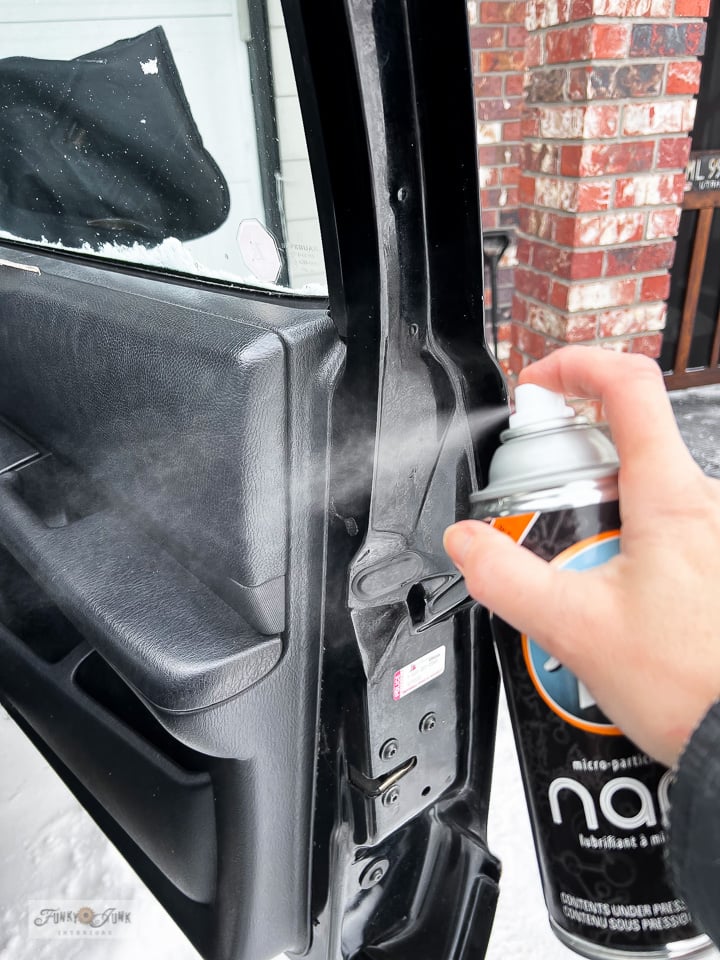
Wash the undercarriage thoroughly after every major rain or muddy drive use a hose with good pressure or visit a car wash with underbody spray. Apply a rust-proofing spray or undercoating to exposed metal frame rails, suspension components, exhaust, and wheel arches. Products like Waxoyl or local rust inhibitors cost ten thousand to thirty thousand naira and last one to two seasons. Do this on a dry day after washing and drying the car completely.
Seal leaks and check weatherstripping. Water inside the cabin causes mold, electrical faults, and ruined upholstery. Inspect door seals, window rubber, trunk gasket, and windshield weatherstripping for cracks splits or hardening. Replace any damaged pieces they are inexpensive and easy to fit. Check cabin filter if it is clogged or moldy replace it to stop musty smells and improve airflow.
Run the AC on high with fresh air mode after rainy drives to dry the evaporator and prevent mold growth.Lights and visibility are critical when rain reduces daylight. Test all headlights taillights brake lights indicators hazards and fog lights. Replace any burnt-out bulbs immediately use good quality halogens or LEDs that match your car’s spec.
Clean headlight lenses with a polishing kit if they are foggy water and UV damage make them hazy and reduce light output. Keep washer fluid full and add rain-repellent additive for better water shedding.Carry an emergency kit tailored for rain. Include a high-visibility vest reflective triangles flashlight rain poncho spare fuses tow rope small umbrella and basic tools. Keep a charged phone power bank and frsc emergency numbers 122 saved. If you get stuck in deep water or breakdown call for help instead of risking it.These preparations take a weekend and a modest budget but they make rainy-season driving far safer and less stressful.
Replace wipers and cabin filter check tires and brakes wash the underbody and seal leaks. Do this before the heavy rains arrive and you will notice better grip shorter stops clearer visibility and fewer surprises when the sky opens up. Drive carefully and stay dry out there.