
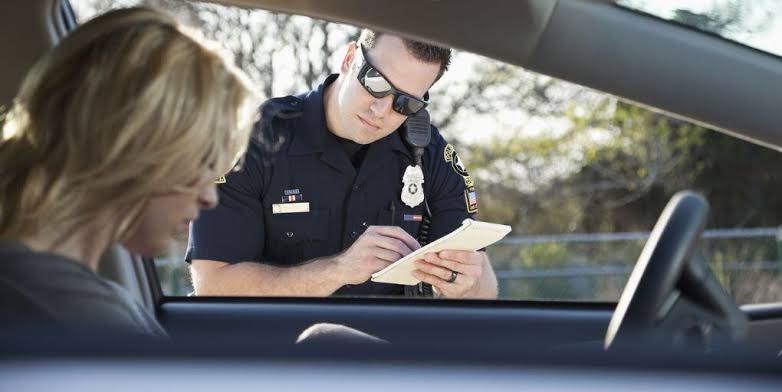
Getting pulled over by the police while driving in Nigeria can feel tense, but knowing exactly what to do keeps things calm, legal, and quick. Most stops are routine checks for documents, vehicle condition, or minor infractions, and officers are usually professional when you stay composed and follow basic rules. The key is preparation, clear communication, and understanding your rights so you avoid unnecessary escalation or fines. Here is a practical guide based on how these interactions normally go in 2026.When you see the police signal you to stop usually a raised hand, whistle, or flashing light slow down gradually and pull over safely to the right side of the road or shoulder. Do not stop in the middle of the lane or block traffic. Turn off your engine, turn on your interior light if it is dark, and keep both hands visible on the steering wheel until the officer approaches. This simple action shows you are not a threat and helps de-escalate the situation immediately.Stay calm and polite from the first moment. Greet the officer respectfully with “Good evening sir” or “Good morning ma” depending on the time. Do not argue, raise your voice, or show frustration even if you think the stop is unfair. Officers respond better to calm respectful behavior. If they ask why you were stopped listen carefully and answer only the question asked. Common reasons include expired papers tinted windows without permit, no seatbelt, phone use while driving, or vehicle condition issues like faulty lights or worn tires.Have your documents ready and organized before the officer reaches your window. The most important ones are your driver’s license vehicle registration certificate insurance certificate roadworthiness certificate and any permits if the car is commercial. Keep them in a clear folder in the glove box or center console so you can hand them over quickly without rummaging. Do not reach into pockets bags or the glove box until the officer asks for something. Say something like “Officer my documents are in the glove box may I reach for them” and wait for permission. This avoids any misunderstanding about reaching for a weapon or hiding something.
Present the documents with both hands as a sign of respect. If asked step out of the car do so slowly keeping your hands visible. Do not argue about whether the stop was justified or claim you know your rights in a confrontational way. If you believe the officer is wrong or demanding money politely ask for their name service number and station then comply while noting details. Most officers drop improper requests when they realize you are recording the interaction mentally or with your phone.If the officer asks for money directly or indirectly stay firm but polite.
Bribery is illegal on both sides. Say calmly “Officer I have all my documents valid and current I do not have any money to give.” If they insist or threaten impoundment ask to speak to their superior or for a written ticket. Paying small bribes sometimes ends the matter quickly but it encourages the practice and can lead to bigger demands later.
Recording the interaction discreetly with your phone audio or video can be useful if the situation escalates but inform the officer you are recording to stay within the law.If you receive a ticket or notice of offense accept it calmly and follow the instructions. Most minor offenses have a fixed fine that you can pay at designated banks or online through the FRSC portal. Do not argue at the roadside save that for court if you want to contest it. Pay fines promptly to avoid escalation to warrant or impoundment.After the stop double-check your documents are returned complete and undamaged. If anything is missing or damaged report it immediately to the officer’s station or FRSC.
Drive away carefully and resume normal driving.Preparation makes all the difference. Always keep current documents organized in the car drive within speed limits wear your seatbelt avoid phone use while driving and keep lights and indicators working.
These habits reduce the chance of being stopped in the first place. If stopped stay calm polite and cooperative while protecting your rights. Most interactions end quickly and peacefully when both sides remain professional.
Drive defensively keep your papers up to date and know your basic rights. That combination turns a potential stressful moment into a routine check that lets you continue your journey safely.