
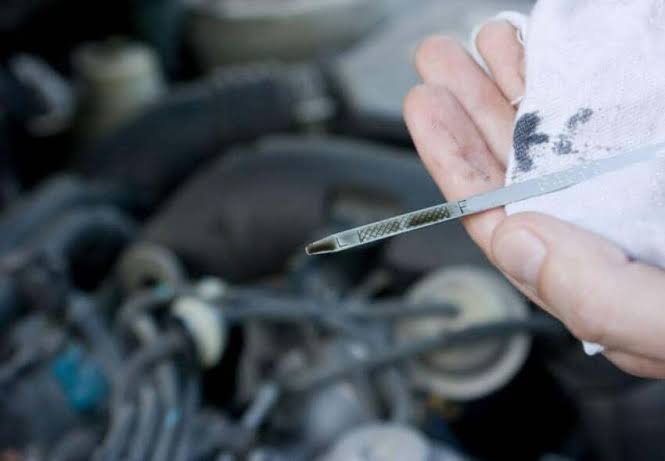
Checking transmission fluid levels is one of the simplest yet most important maintenance tasks you can do for your car. Low or dirty transmission fluid causes rough shifting slipping delayed engagement overheating and eventually complete transmission failure which can cost hundreds of thousands of naira to repair or replace. In Nigeria where traffic heat and road conditions already stress automatic transmissions regular checks prevent most of these expensive problems. The good news is that the process takes only a few minutes uses no special tools beyond a rag and works the same way on almost every automatic car sold here. Here is exactly how to do it correctly step by step so you can catch issues early and keep your gearbox healthy.Park the car on level ground. This is critical because fluid levels are measured with the dipstick and any tilt changes the reading. Find a flat surface like a parking lot driveway or quiet street. Engage the parking brake firmly and leave the engine running. Transmission fluid expands when hot and contracts when cold so most manufacturers require the engine to be warm and idling for an accurate check.
Drive the car for 10 to 15 minutes first if it has been sitting cold. Keep the engine running throughout the check unless your owner’s manual says otherwise.Shift through all gears slowly. With your foot on the brake move the gear selector from park to reverse to neutral to drive and back again pausing for a few seconds in each position. This circulates fluid through the entire transmission and torque converter so the level on the dipstick reflects what is actually in the system. Finish in park or neutral depending on what your manual specifies most toyotas hondas hyundais and fords say park.
Open the hood and locate the transmission dipstick. It is usually near the back of the engine bay separate from the engine oil dipstick and often has a red yellow or brightly colored handle. On some newer models like certain toyota camry or corolla hybrids the dipstick may be sealed or replaced by an electronic check but most cars in nigeria still have a traditional dipstick. If you cannot find it check your owner’s manual or look online for your exact model year.Pull the dipstick out wipe it clean with a lint-free rag or paper towel then reinsert it fully.
Pull it out again and read the level. The fluid should be between the low and full marks or inside the crosshatched area on some dipsticks. The fluid should look pink red or clear amber not dark brown black milky or burnt-smelling. If it is low add only the recommended fluid type through the dipstick tube using a long funnel. Add small amounts 200 to 300 milliliters at a time then recheck after running through the gears again. Overfilling is as bad as underfilling it causes foaming aeration and slippage.
Check the fluid condition every time. Fresh automatic transmission fluid atf is bright red or pink and smells slightly sweet. Dark brown or black fluid with a burnt smell means it has overheated and broken down usually from heavy traffic towing or neglected changes. Milky or foamy fluid indicates water contamination often from driving through deep floods. Metal particles glitter or sludge on the dipstick means internal wear. If the fluid looks bad even if the level is correct change it immediately along with the filter if your transmission has one.
How often should you check? Every month or every 1000 to 2000 kilometers especially if you drive in heavy traffic or hot weather. Full fluid and filter changes are recommended every 40000 to 80000 kilometers depending on the manufacturer and driving conditions. In nigeria with constant stop-go heat and dust many mechanics advise changing atf every 40000 kilometers or sooner to keep the transmission cool and clean.Use only the correct fluid type. Check your owner’s manual or the dipstick cap for the exact specification.
Common types in nigeria include toyota type t-iv ws dexron vi mercon lv or multi-vehicle atf. Using the wrong fluid can cause slipping harsh shifts or complete failure over time. Buy from reputable stations or shops to avoid counterfeit fluid that breaks down quickly.If the fluid is consistently low between checks look for leaks.
Reddish stains under the car transmission pan cooler lines or torque converter seal are common spots. Small leaks can be fixed early with a gasket or seal replacement. Large leaks need immediate attention to avoid running the transmission dry.Regular fluid checks and changes are cheap insurance against major transmission repairs.
A simple dipstick reading every month plus a fluid change every 40000 kilometers can add years to your gearbox life and save you from being stranded or facing bills in the hundreds of thousands. Keep a rag in the trunk check the level regularly and address any issues early. Your transmission will reward you with smooth shifts and long service life.