
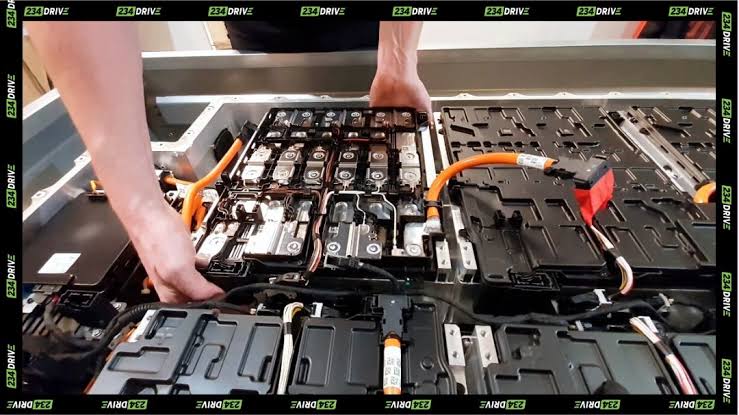
Electric vehicles are becoming more common on Nigerian roads, and the battery is the most expensive and important part of any EV. A well-maintained battery can last 8–15 years or 200,000–400,000 km while keeping range close to what the manufacturer promised when new. Poor habits, our hot climate, frequent power cuts, dusty harmattan air, and inconsistent charging can shorten that life significantly. The good news is that most battery degradation is preventable with simple daily and monthly routines that cost little or nothing. Here is a clear, practical guide to keeping your EV battery healthy for as long as possible in Nigerian conditions.Heat is the number one enemy of lithium-ion batteries. When the battery pack temperature stays above 40 °C for long periods the chemical reactions inside speed up and degrade the cells permanently. Park in shade or a covered garage whenever possible even partial shade under a tree or building makes a measurable difference.
Use a reflective windshield sunshade or car cover with UV protection when parking outdoors. Many owners in Lagos, Port Harcourt, and Abuja report that consistent shading keeps peak battery temperatures 10–15 °C lower than cars left in open sun all day. Avoid charging to 100 % and then leaving the car baking in direct sunlight for hours the combination of full charge and high temperature accelerates aging fastest.Charge smartly to reduce stress on the cells. Most manufacturers recommend keeping the battery between 20 % and 80 % for daily use. Only charge to 100 % when you know you need the full range for a long trip, and try to start the journey soon after reaching full charge.
Similarly avoid letting the battery drop below 10–15 % regularly low state-of-charge stresses the cells more than a partial charge. Use scheduled charging if your charger or app supports it so the car finishes charging just before you leave in the morning instead of sitting at 100 % all night. Level 1 (standard home socket) or Level 2 charging is gentler on the battery than fast DC charging use DC fast chargers only when necessary because they generate more heat.Keep the battery cooling system clean. Almost every EV has a dedicated cooling fan air vents and sometimes liquid cooling loops for the battery pack. These vents are usually under the car near the rear axle or under the rear seat area. Harmattan dust road grime and leaves clog them quickly reducing airflow and causing the pack to run hotter during charging and driving.
Check the vents every three to six months remove visible dust with a soft brush or shop vacuum with a brush attachment. Do not use high-pressure water or compressed air that can force debris deeper or damage seals. Some owners clean the underbody vents twice a year during harmattan and notice lower battery temperatures and fewer cooling fan warnings.
Drive regularly and avoid long periods of inactivity. Lithium-ion batteries prefer regular cycling. If the car sits unused for weeks or months the battery can develop cell imbalance or lose capacity slowly. Drive the car at least once or twice a week even if just for 20–30 minutes. Let the system run in normal and eco modes to keep cells balanced. If you must leave the car for more than a month set a charge limit of 50–60 % and plug it in periodically to maintain that level. Most EVs have a “storage mode” or scheduled maintenance charge option in the app or menu use it to prevent deep discharge.Monitor battery health through the car’s app or display. Most modern EVs show battery state of health (SoH) percentage maximum range estimate and average energy consumption.
Track these numbers monthly if SoH drops faster than 1–2 % per year or range falls noticeably have the dealer or a specialist scan for cell imbalance or cooling issues. Many EVs also show individual cell voltages and temperatures use this data to spot problems early.Avoid habits that stress the battery. Do not repeatedly charge to 100 % and leave it sitting hot or discharge to 0 % often. Limit frequent DC fast charging in very hot weather it generates more heat than AC charging.
When possible precondition the battery (warm or cool it) before fast charging using the app this reduces stress during high-power sessions.Keep the 12-volt auxiliary battery healthy. The high-voltage traction battery is tough but the regular 12-volt battery powers accessories and initializes the system. It fails faster in our heat often lasting only 18–30 months. Test it every six months with a multimeter (12.6 V or higher when off 13.7–14.7 V when running) and replace it every two years or when cranking becomes slow.
Clean terminals regularly corrosion forms quickly in humid areas and causes starting or system faults.Follow these habits and your hybrid or full EV battery can easily reach 10–12 years or more with minimal capacity loss. Keep it cool charge smartly drive regularly clean the cooling vents and monitor health through the app.
These steps are simple low-cost and make the biggest difference in battery longevity in Nigeria’s challenging climate. Treat the battery well and it will reward you with consistent range lower running costs and fewer expensive surprises down the road.