
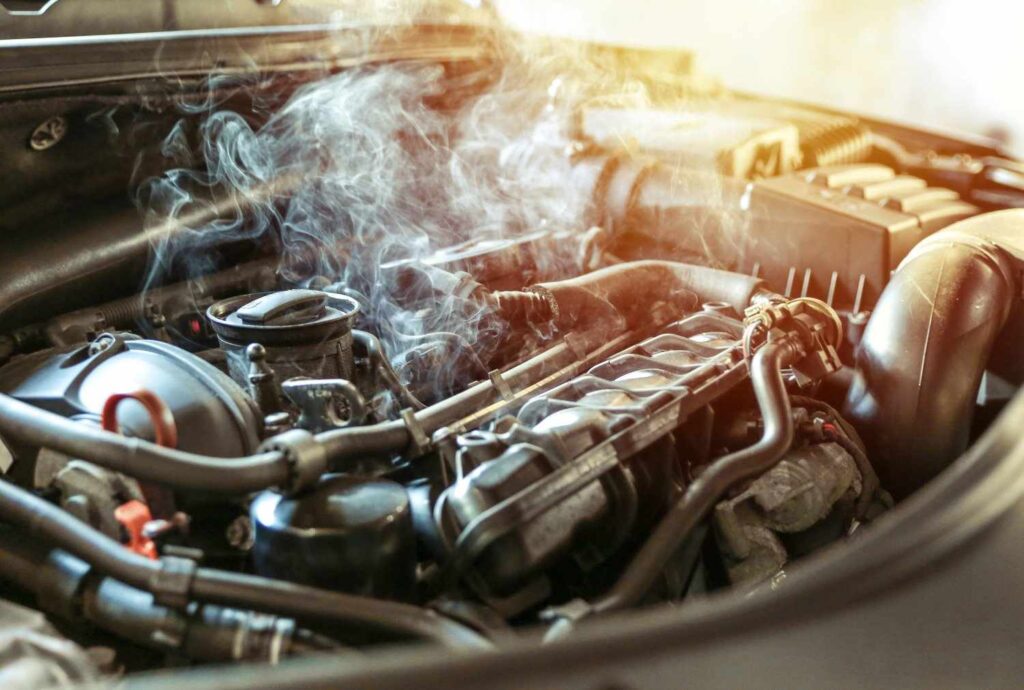
An overheating engine is one of the most stressful things that can happen while driving in Nigeria, especially during the hot dry season or when stuck in heavy Lagos or Abuja traffic. The temperature gauge climbing into the red zone or the warning light flashing usually means the engine is already too hot, and if you keep driving you risk serious and expensive damage such as a warped cylinder head, blown head gasket, or seized engine. The good news is that most overheating problems have clear causes and can be prevented or fixed quickly if you know what to look for and how to react safely.When the temperature gauge starts rising or the warning light comes on, the first and most important step is to pull over safely as soon as possible. Do not continue driving even for a short distance. Find a shaded spot if you can, turn off the engine, and open the hood to allow heat to escape. Never open the radiator cap while the engine is hot because the pressurized coolant can spray out and cause serious burns. Wait at least 30 to 45 minutes for the engine to cool down before touching anything.Once the engine has cooled, check the coolant level in the expansion tank or radiator. The level should be between the minimum and maximum marks when cold. If it is low, top it up with a 50/50 mix of coolant and distilled water. Never add cold water to a very hot engine because the sudden temperature change can crack the block or head. If the coolant is low, there is almost certainly a leak somewhere.
Common leak points include the radiator hoses, water pump, radiator itself, heater core, or the head gasket. Look for wet spots, white crusty residue, or puddles under the car.A faulty radiator fan is another frequent cause of overheating in Nigeria’s stop-and-go traffic. The fan should turn on automatically when the engine reaches a certain temperature. With the engine running and warm, listen for the fan or feel for air being pulled through the radiator. If the fan does not spin, the problem could be a blown fuse, faulty fan relay, bad temperature sensor, or a worn fan motor. Check and replace the fuse first (usually in the engine bay fuse box) before assuming a more expensive repair.The thermostat controls how much coolant flows through the radiator. When it sticks closed, coolant cannot circulate properly and the engine overheats quickly. A stuck thermostat is common in older cars or vehicles that have not had regular coolant changes. Replacing the thermostat is relatively cheap and straightforward, but it requires draining some coolant and removing the housing at the engine.A failing water pump is a more serious cause.
The pump circulates coolant through the engine and radiator. When its bearings wear out or the impeller breaks, coolant flow drops and the engine overheats. You will often hear a whining noise from the front of the engine or see coolant leaking from the pump weep hole. Water pump replacement is a bigger job because it usually requires removing the timing belt or chain on many engines, but it is necessary to prevent total engine failure.Low engine oil can also contribute to overheating. Oil helps cool the engine internally by carrying heat away from hot components. Check the oil level on the dipstick when the engine is cold. If it is low, top it up with the correct grade (usually 5W-30 or 10W-40 synthetic for most cars in Nigeria). Dirty or very old oil loses its ability to transfer heat efficiently, so regular oil changes every 5,000 to 8,000 km are essential.
Clogged radiators and cooling system passages reduce cooling efficiency over time. Dust, rust, and old coolant build up inside the radiator and heater core, restricting flow. Flushing the cooling system every two years or 40,000 km with a proper coolant flush solution and refilling with fresh 50/50 coolant mixture restores cooling performance. In very dusty areas like northern Nigeria, this flush should be done more frequently.After addressing the immediate cause, monitor the temperature gauge closely for the next few drives. If the engine still overheats, the problem may be more serious such as a blown head gasket, cracked cylinder head, or blocked radiator channels. At that point, have a trusted mechanic perform a compression test and cooling system pressure test to pinpoint the exact fault.
Prevention is always better than cure. Keep the cooling system clean and topped up with the correct coolant mixture. Replace the thermostat and water pump every 80,000 to 100,000 km as preventive maintenance. Check hoses for cracks and softness every six months and replace them before they burst. Use a good quality coolant that contains corrosion inhibitors and change it on schedule. Avoid overloading the car or driving aggressively in heavy traffic during the hottest part of the day.
Overheating is rarely sudden. The temperature gauge or warning light usually gives you enough time to react if you notice it early. Pull over safely, let the engine cool, check coolant level and obvious leaks, and address the root cause before continuing your journey. Regular maintenance and quick action when the gauge rises will keep your engine running reliably for many years even in Nigeria’s challenging climate.