
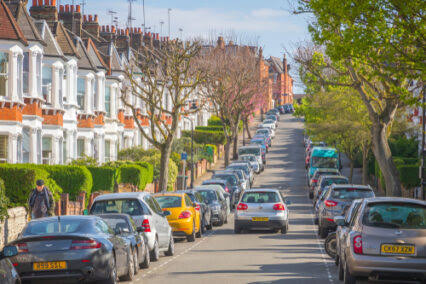
Parallel parking in busy Nigerian cities can feel intimidating, especially when traffic is heavy, other drivers are impatient, and spaces seem impossibly small. Yet it is a skill that saves time and frustration once you master the basic technique and adapt it to our local conditions. The secret is not talent but a simple, repeatable method combined with patience and good observation. Here is a clear, step-by-step approach that works reliably on crowded Lagos streets, narrow Abuja roads, or tight spots in Port Harcourt and other cities.First, choose the right spot. Look for a space that is at least one and a half times the length of your car. This gives you enough room to manoeuvre safely. Avoid parking too close to intersections, bus stops, or areas with heavy pedestrian traffic. In cities like Lagos, also watch for drainage channels, open manholes, or broken curbs that can damage wheels or rims. Signal early to show other drivers your intention and reduce the chance of someone squeezing into the gap while you prepare.Position your car correctly before starting the manoeuvre. Drive slowly past the parking space until your rear bumper is roughly in line with the rear bumper of the car in front of the spot. Stop parallel to the parked car, leaving about 60–80 cm of space between your car and the parked vehicle. This distance gives you enough room to swing out without hitting anything. Check your mirrors and blind spots, then shift into reverse.Begin reversing slowly while turning the steering wheel fully toward the curb or the side you are parking on. The goal in this first step is to get the rear of your car into the space at about a 45-degree angle. Watch the rear corner of the car in front of you through your side mirror. When your rear bumper clears that corner (usually when your side mirror lines up with the front door of the parked car), straighten the steering wheel briefly and continue reversing straight back until the front of your car is roughly level with the rear of the parked car ahead.
Now turn the steering wheel fully in the opposite direction (away from the curb) while continuing to reverse slowly. This swings the front of your car into the space. Use your side mirrors and rear window to judge the distance to the car behind you. Stop when your car is roughly parallel to the curb and about 30–50 cm away from it. At this point, the car should be neatly inside the space.Make small adjustments if needed.
Shift into drive, move forward slowly while turning the wheel toward the curb to straighten the car. Then shift back into reverse and make tiny corrections until the car sits evenly between the two vehicles and parallel to the curb. The final position should leave enough space in front and behind for other drivers to exit comfortably.In busy cities, a few extra tips make the process smoother and safer. Always check your mirrors and blind spots repeatedly during the entire manoeuvre. Use your indicators clearly so other drivers know what you are doing. If traffic is heavy, complete the parking quickly but without rushing.
In very tight spaces, it may take two or three forward-and-reverse adjustments to get the angle right. Be patient and avoid hitting the car in front or behind.For beginners, practice the technique first in a quiet area with cones or empty parking spaces. Once you are comfortable, move to low-traffic streets before attempting busy areas. Remember that smaller cars like the Toyota Yaris, Honda Fit, or Kia Rio are easier to park than larger SUVs because of their shorter length and tighter turning radius.After parking, always engage the handbrake, put the car in park or first gear, and turn the wheels toward the curb if parking on a slope. Double-check that you are not blocking driveways, fire hydrants, or pedestrian paths.
Common mistakes include starting the reverse too early or too late, turning the wheel too quickly, and not checking blind spots. These errors often lead to hitting other cars or needing many more adjustments. Staying calm, signalling clearly, and making small steering corrections will help you park neatly even in the tightest spots.Mastering parallel parking gives you confidence and opens up more parking options in crowded cities.
Practise the steps in a safe area until the sequence feels natural. With time, you will be able to slide into tight spaces smoothly and safely, saving time and reducing stress during daily drives.