
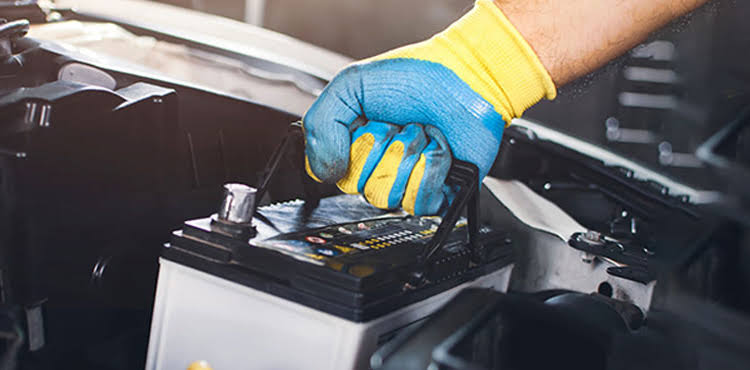
Battery care in hot climates like Nigeria is one of the most important yet often overlooked aspects of car maintenance. The combination of intense sunlight, high temperatures, frequent short trips in traffic, and dusty harmattan air puts extra strain on car batteries, causing them to fail much faster than in cooler regions. A typical battery that might last four to five years in temperate climates often lasts only 18 to 30 months here if not properly cared for. The good news is that with a few simple habits and regular checks, you can significantly extend your battery’s life and avoid the frustration of sudden breakdowns.Heat is the biggest enemy of any lead-acid battery. When temperatures rise above 35 °C, the chemical reactions inside the battery speed up, causing the electrolyte to evaporate faster and the plates to corrode.
This leads to reduced capacity and shorter lifespan. To fight this, always try to park in shade or under a carport. Even partial shade from a tree or building can lower the under-hood temperature by 10–15 °C. If shade is not available, use a reflective windshield sunshade to block direct sunlight from heating the dashboard and engine bay. Avoid leaving the car in direct sun for long periods, especially during the peak dry season.Keep the battery clean and dry.
Dust and grime build up on the terminals and top of the battery, creating a conductive path that slowly drains power. Every month, wipe the battery top and terminals with a damp cloth. If you see white or greenish corrosion on the terminals, clean it immediately with a mixture of baking soda and water using an old toothbrush. Rinse with clean water and dry thoroughly. After cleaning, apply a thin layer of petroleum jelly or battery terminal protector spray to prevent future corrosion. Make sure the battery hold-down clamp is tight so the battery does not vibrate and damage its internal connections.
Check the electrolyte level regularly in non-sealed (maintenance-type) batteries. In hot weather, water evaporates faster, so check every two to three months. Use only distilled water to top up the cells to the marked level. Never add acid or tap water. Most modern batteries in Nigeria are sealed maintenance-free types, so you cannot add water, but you can still check the charge indicator eye if present. A green or dark green dot means good charge, while a clear or yellow dot indicates low charge or a failing battery.
Test the battery condition at least twice a year. A simple voltmeter test when the engine is off should show 12.6 volts or higher for a healthy battery. When the engine is running, voltage should be between 13.7 and 14.7 volts, showing the alternator is charging properly. Many auto parts shops and mechanics offer free or low-cost battery load tests. If the battery fails a load test, replace it immediately rather than waiting for it to die completely and strand you.Reduce unnecessary battery drain.
Avoid leaving lights, radio, or air conditioning on when the engine is off. In hot weather, short trips with frequent stops prevent the alternator from fully recharging the battery. If you make mostly short journeys, take the car for a longer drive once a week at highway speeds to give the battery a good charge. If the car will be parked for more than two weeks, disconnect the negative terminal or use a trickle charger to maintain the battery.Protect the battery from extreme heat under the hood. Make sure the alternator belt is tight and in good condition so the battery charges efficiently. Keep the engine cooling system in top shape because an overheating engine raises under-hood temperatures even higher.
Check that the battery tray and hold-down are secure and not corroded. A loose battery vibrates more, damaging internal plates and shortening life.When replacing the battery, choose a quality unit with the correct specifications for your car. In Nigeria’s heat, it is worth paying a little more for a battery with higher cold cranking amps (CCA) and a good warranty. Popular reliable brands include Exide, Varta, Bosch, and locally available heavy-duty options designed for tropical conditions. Always match the group size, voltage, and terminal configuration to your vehicle.Following these simple practices can easily add one to two years to your battery’s life.
Park in shade, keep terminals clean, check electrolyte levels when possible, test the battery regularly, reduce unnecessary drain, and replace it before it completely fails. A little attention every month or two prevents the inconvenience and cost of being stranded with a dead battery, especially during early morning starts or long trips in the heat.