
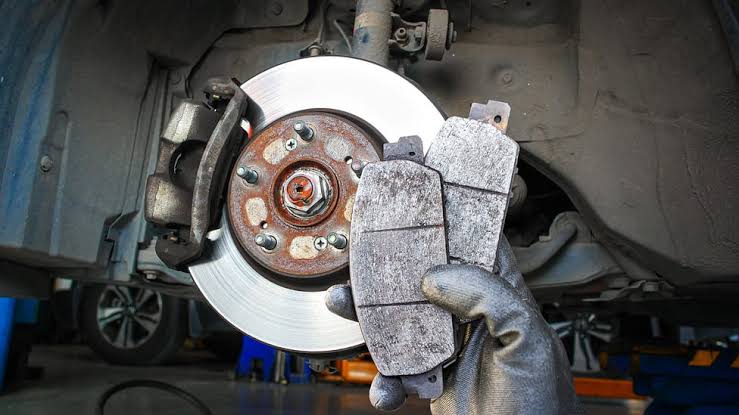
Brake pads are among the most critical safety components on any vehicle, yet many Nigerian drivers only notice them when they start making noise or when the car takes longer to stop. Replacing brake pads at the right time prevents longer stopping distances, damage to rotors, and potentially dangerous situations on our busy roads. Understanding the common indicators that brake pads need replacement helps you act before small wear turns into an expensive or risky problem.One of the earliest and most reliable signs is a high-pitched squealing or screeching noise when you apply the brakes. Most modern brake pads have a built-in wear indicator a small metal tab that begins to rub against the rotor once the pad material has worn down to a certain thickness (usually around 2–3 mm). This deliberate squeal is designed to alert the driver before the pad is completely gone.
In Nigeria’s dusty and humid conditions, this noise can appear earlier than in drier climates because dust and moisture accelerate wear. If you hear this sound consistently, especially when braking lightly, it is time to inspect the pads.Another clear indicator is a grinding or growling noise during braking. This usually means the brake pad material has worn down completely, and the metal backing plate is now rubbing directly against the brake rotor. Grinding is a serious warning sign that should not be ignored. Continuing to drive with grinding brakes can quickly damage the rotors, requiring a more expensive repair or replacement of both pads and rotors. If you hear grinding, have the brakes checked immediately.
Changes in braking feel are also important indicators. If the brake pedal feels softer than usual, requires more pressure to stop the car, or vibrates when you brake, the pads may be worn unevenly or nearing the end of their life. A longer stopping distance, especially noticeable in rainy conditions or when carrying extra passengers or load, is another red flag.
Worn pads reduce the friction surface available to slow the vehicle, forcing the driver to press harder and taking longer to stop.Visual inspection provides confirmation. Many drivers check their brake pads by looking through the wheel spokes at the caliper. A healthy pad usually has at least 4–5 mm of friction material remaining. When the pad thickness drops to 3 mm or less, replacement is recommended. If you can only see a thin sliver of material or the metal backing plate, it is definitely time for new pads. On many cars, the inner and outer pads wear at different rates, so check both sides of the rotor.
Dashboard warning lights are becoming more common, especially on newer vehicles. Some cars have a brake pad wear sensor that triggers a warning light on the instrument cluster when the pads reach a critical thickness. Even without a dedicated light, an illuminated ABS or brake system warning can sometimes indicate pad or sensor issues.Driving habits and conditions in Nigeria accelerate brake pad wear significantly.
Heavy traffic with frequent stop-and-go, overloaded vehicles, driving in hilly areas, and using low-quality or counterfeit pads all shorten pad life. Many mechanics in Lagos and other cities report that pads on cars used primarily in city traffic often need replacement every 15,000 to 25,000 km, while highway-driven cars can go 30,000 to 40,000 km or more. Dusty harmattan conditions and wet roads during the rainy season also increase wear because dust and moisture act as abrasives.
When replacing brake pads, always replace them on both sides of the same axle (front or rear) at the same time to maintain balanced braking. It is also wise to have the rotors inspected or resurfaced if they are scored or have excessive runout. Using quality brake pads from reputable brands (instead of the cheapest options) usually provides better stopping power, less dust, and longer life, which ultimately saves money.
Listen to your brakes, watch for changes in pedal feel, and inspect pad thickness regularly. Replacing brake pads before they reach the metal backing plate is one of the smartest and safest maintenance decisions you can make. It protects your rotors, improves stopping performance, and most importantly keeps you and your passengers safer on Nigerian roads.