
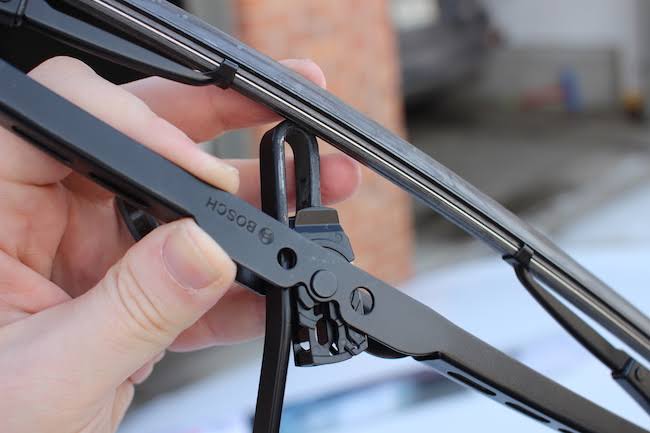
Wiper blade replacement is one of the simplest yet most important maintenance tasks for safe driving in Nigeria. During the rainy season, when visibility is already reduced by heavy downpours, a set of worn or streaking wipers can turn a normal drive into a dangerous one. Good wiper blades clear water effectively, reduce glare from oncoming headlights, and help you spot potholes, pedestrians, and other road users in time. Replacing them at the right moment keeps you safer and prevents long-term damage to your windshield.Most wiper blades last between six and twelve months in Nigerian conditions. Heat, intense sunlight, dust during harmattan, and frequent use in rain cause the rubber to harden, crack, or lose its flexibility. The first signs that your blades need replacement are usually visible streaks on the windshield, skipping or chattering noises when the wipers are on, or areas where the blade fails to clear water completely. If you notice these problems, especially during the first rains, do not wait until the next heavy downpour. Replace the blades immediately.Choosing the right replacement blades makes a big difference. There are two main types: traditional frame-style blades and beam-style (flat) blades. Frame-style blades are the classic design with a metal frame and rubber insert. They are usually cheaper and widely available. Beam-style blades have a curved, flexible spine that hugs the windshield better, providing more even pressure and quieter operation. In Nigeria, beam blades tend to perform better on curved modern windshields and resist clogging with dust and sand. Popular reliable brands include Bosch, Valeo, PIAA, and Rain-X. Always buy blades that match the exact size recommended for your car model. Using the wrong size can cause poor contact, skipping, or damage to the wiper arm.Before starting the replacement, park the car in a shaded area and lift the wiper arms away from the windshield. Most modern wiper arms have a locking tab or button at the joint where the blade attaches. Press or slide the tab and gently pull the old blade downward or sideways to release it. Some older cars use a simple hook or screw-type attachment. If you are unsure how the blade releases, check your vehicle’s owner manual or look for a short video of your specific car model.Once the old blade is removed, compare it with the new one to confirm the size and attachment type are identical.
Attach the new blade by reversing the removal process. Make sure it clicks or locks securely into place. Gently lower the wiper arm back onto the windshield. Repeat the process on the other side. After both blades are installed, test them with the washer fluid to ensure they clear the glass smoothly without streaks or skipping.For best results, replace both the driver’s side and passenger’s side blades at the same time. The passenger blade often wears differently due to the angle and amount of water it clears.
Also replace the rear wiper blade if your car has one, especially on SUVs and hatchbacks where the rear window collects a lot of dust and rain.Many drivers make the mistake of only replacing the rubber insert instead of the entire blade assembly. While this saves a little money, the metal or plastic frame also wears out over time and can cause uneven pressure or damage to the windshield. Replacing the complete blade is usually the better long-term choice.After installation, maintain the new blades to make them last longer.
Clean the rubber edge regularly with a damp cloth and a little isopropyl alcohol to remove built-up dirt and oil. Avoid using the wipers on a dry windshield, as this causes premature wear. During harmattan, dust can accumulate quickly, so wipe the blades and windshield more frequently. In the rainy season, top up your washer fluid with a solution that includes rain-repellent additives. These additives help water bead off the glass faster, reducing the workload on the wipers.If your wipers still streak or chatter after replacement, the problem may not be the blades themselves.
Check the windshield for tiny pits, scratches, or a buildup of road film. A light polish with a dedicated glass cleaner or cerium oxide compound can restore clarity. Also ensure the wiper arms are not bent or worn at the pivot points.
Replacing wiper blades is a quick, inexpensive maintenance task that directly improves safety. Do it at the first sign of streaking or noise, especially before the heavy rains begin. Choose quality blades that match your car’s size, install them correctly, and maintain them regularly. Clear visibility is not a luxury it is an essential part of safe driving on Nigerian roads.