
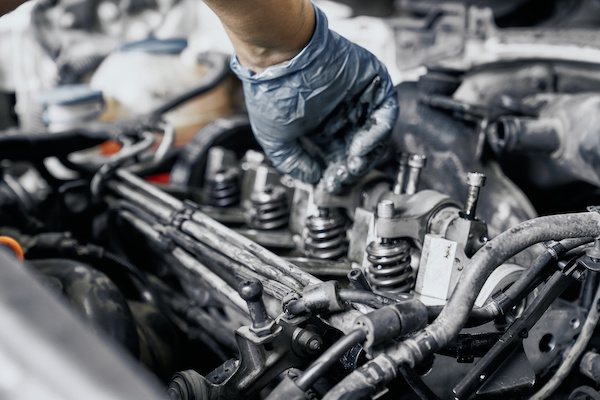
Fuel system cleaning is one of the most effective yet often overlooked maintenance tasks for cars in Nigeria. Our fuel is frequently adulterated with impurities, and the combination of heavy traffic, high temperatures, and dusty conditions causes carbon deposits, varnish, and gum to build up quickly inside the fuel injectors, intake valves, combustion chambers, and fuel lines. Over time, these deposits reduce fuel flow, disrupt the air-fuel mixture, and lead to poor performance, higher fuel consumption, rough idling, and even misfires. Regular fuel system cleaning restores efficiency, improves throttle response, and can prevent expensive repairs down the line.The fuel system includes the fuel tank, fuel pump, fuel lines, fuel filter, injectors (or carburettor in older cars), and the intake tract. In modern fuel-injected engines, the injectors are particularly vulnerable. Tiny nozzles can become partially blocked by deposits, causing uneven spray patterns. This results in some cylinders receiving too much or too little fuel, leading to rough running and increased emissions. On intake valves, especially in direct-injection engines, carbon buildup prevents proper sealing and reduces airflow. In Nigeria’s hot climate, these deposits harden faster, making the problem worse if left unaddressed.There are two main approaches to fuel system cleaning: using fuel additives and professional service. Fuel additives are the easiest and most convenient option for regular maintenance. These are concentrated cleaners poured directly into the fuel tank. Good additives contain polyether amines (PEA) or similar detergents that dissolve carbon and varnish as the car is driven. For best results, use a quality cleaner every 5,000 to 8,000 km or at every other fuel fill-up during harmattan when dust contamination is highest. Choose reputable brands such as Chevron Techron, Liqui Moly, Wynn’s, or Total Fuel System Cleaner. Avoid very cheap, unbranded products that may contain harsh solvents capable of damaging seals or sensors.For more thorough cleaning, especially if the car has noticeable symptoms like hesitation, rough idle, or reduced power, a professional fuel system service is recommended. Mechanics use specialised machines that connect to the fuel rail and run a strong cleaning solution through the injectors while the engine is running. This method cleans injectors, valves, and combustion chambers more effectively than additives alone. The process usually takes 30 to 60 minutes and costs between ₦15,000 and ₦35,000 depending on the vehicle and workshop. Many reputable workshops in Lagos, Abuja, and Port Harcourt now offer this service as part of a major service package.The best time to clean the fuel system is before symptoms become severe. Watch for warning signs such as longer cranking time when starting, rough idle that smooths out after warming up, hesitation when accelerating, increased fuel consumption, or a check engine light with codes related to misfires or fuel trim. If your car has any of these issues, a fuel system cleaning is often the first step mechanics recommend.
After cleaning, you may notice immediate improvements: smoother idle, quicker throttle response, and slightly better fuel economy. To maintain these benefits, use good quality fuel from reputable stations whenever possible. Major brands like NNPC, TotalEnergies, and Conoil generally have better quality control and fewer impurities. Adding a maintenance dose of fuel injector cleaner every 5,000–8,000 km helps prevent deposits from building up again.Additional habits support a clean fuel system.
Replace the fuel filter according to the manufacturer’s schedule usually every 20,000 to 40,000 km. A clogged filter forces the pump to work harder and can allow small particles to reach the injectors. Keep the fuel tank reasonably full to reduce condensation inside the tank, which can introduce water and contaminants. During harmattan, when dust is everywhere, consider using a higher-quality fuel filter and changing it more frequently.For older cars with carburettors, cleaning is slightly different. The carburettor can be removed and soaked in a dedicated carb cleaner, then blown dry and reinstalled. However, most cars on Nigerian roads today are fuel-injected, so the additive or professional service method is more relevant.
Regular fuel system cleaning is a small investment that delivers noticeable returns in performance, fuel economy, and engine longevity. By using quality additives periodically and opting for professional cleaning when symptoms appear, you keep the fuel delivery system working efficiently even in Nigeria’s challenging conditions.
A clean fuel system means smoother driving, lower running costs, and fewer unexpected workshop visits.