
The alternator is one of the most important components in your car, quietly keeping the battery charged and powering all electrical systems while the engine runs. In Nigeria’s hot climate and heavy traffic conditions, alternators work harder than usual, making regular testing essential to avoid sudden breakdowns or a dead battery. A failing alternator often gives warning signs long before it stops working completely, and catching problems early can save you from being stranded or facing expensive towing and repair bills.
Here is a clear, practical guide to alternator testing tips that every driver should know.The most common symptom of alternator trouble is a battery that keeps dying even after being jump-started or charged. If you frequently need to jump-start your car or the battery warning light flickers or stays on, the alternator is likely not charging the battery properly.
Another clear sign is dimming or flickering headlights, especially when the engine is idling or you turn on the air conditioning. You may also notice the radio cutting out, the dashboard lights becoming dimmer, or the power windows moving slower than usual. A burning smell or unusual whining noise from the engine bay can indicate a failing alternator bearing or diode.
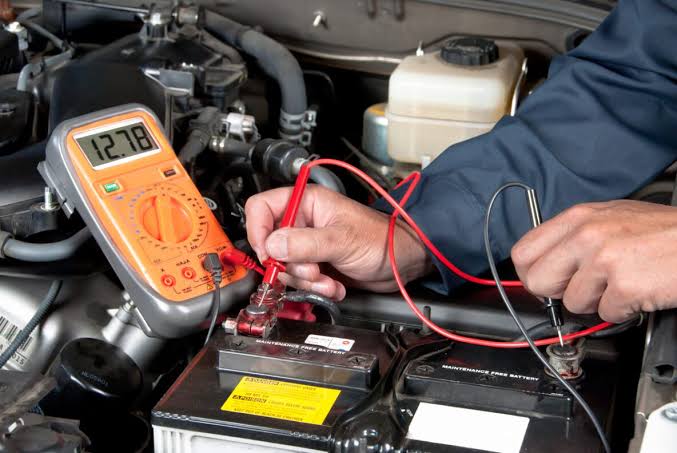
The simplest way to test the alternator is with a multimeter, a tool available at most auto parts shops for a few thousand naira. First, check the battery voltage with the engine off. A healthy battery should read around 12.6 volts or higher. Start the engine and let it idle. The voltage should now rise to between 13.7 and 14.7 volts. This shows the alternator is charging the battery. If the reading stays the same as when the engine was off or drops below 13.5 volts, the alternator is not producing enough charge. If the voltage goes above 15 volts, the alternator may be overcharging, which can damage the battery and electrical components.
For a more thorough test, turn on several electrical accessories such as headlights, air conditioning, and the radio, then rev the engine to around 2000 rpm. The voltage should remain stable between 13.5 and 14.8 volts. A significant drop indicates the alternator cannot keep up with the electrical demand. If the voltage fluctuates wildly, there may be a problem with the voltage regulator or internal diodes.Listen for unusual noises. A grinding or whining sound that changes with engine speed often points to worn bearings inside the alternator. A squealing noise that occurs when you turn on the air conditioning or lights may mean the drive belt is slipping or the alternator pulley is faulty.Check the drive belt that spins the alternator. It should have about 1 cm of play when pressed firmly midway between the pulleys. A loose, cracked, or glazed belt will cause the alternator to spin slower than needed, leading to undercharging. Replace the belt if it shows signs of wear.Many modern cars have a dashboard warning light shaped like a battery. If this light stays on or comes on while driving, it usually means the alternator is not charging. However, some cars will not turn on the light until the charging system has failed significantly, so do not rely on the warning light alone.In Nigeria’s hot weather, alternators can fail faster because high under-hood temperatures stress the diodes and voltage regulator. Dust and moisture during rainy season can also cause internal shorts. For this reason, many mechanics recommend testing the alternator every six months or every 10,000 km, especially if you drive in heavy traffic or make frequent short trips.If your tests show the alternator is not charging properly, have it checked by a professional. A good auto electrician can perform a bench test to determine whether the problem is with the alternator itself, the voltage regulator, or the wiring. Many alternators can be repaired by replacing brushes, diodes, or the voltage regulator at a fraction of the cost of a new unit.Preventive maintenance helps extend alternator life. Keep the drive belt in good condition and properly tensioned. Ensure all electrical connections at the alternator and battery are clean and tight. Avoid overloading the electrical system with too many aftermarket accessories. During harmattan, blow dust out of the alternator fins occasionally to prevent overheating.Regular alternator testing is a small effort that prevents being stranded with a dead battery or damaged electrical system. By listening for unusual noises, watching the dashboard warning lights, and performing simple voltage checks with a multimeter, you can catch problems early. A healthy alternator keeps your battery charged, your lights bright, and your car reliable even in Nigeria’s demanding driving conditions.