
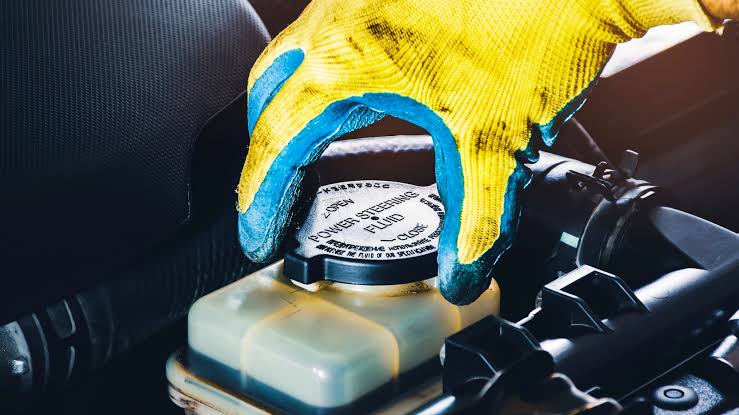
Power steering fluid is the unsung hero that makes turning the wheel effortless in your car. Without it, steering becomes heavy, unpredictable, and even dangerous, especially in Nigeria’s stop-go traffic, pothole-filled roads, and hot climate. Many drivers only notice the fluid when the steering wheel feels stiff or starts making strange noises. Regular attention to this fluid keeps the system working smoothly, prevents expensive repairs, and ensures safe handling.
Here is a clear, practical guide to power steering fluid care that every owner should follow.The power steering system uses hydraulic pressure created by a pump to assist the steering rack or gearbox. The fluid lubricates moving parts, transfers pressure, and dissipates heat. In our conditions, high temperatures cause the fluid to break down faster, while dust and moisture can contaminate it through small leaks or worn seals. A healthy system usually holds between 0.5 and 1.5 litres of fluid depending on the car model. Checking it regularly is simple and takes less than five minutes.To check the fluid, park the car on level ground with the engine off and the steering wheel straight. Locate the power steering reservoir, usually near the front of the engine bay and marked with a steering wheel icon or the words “Power Steering.” The reservoir has a dipstick built into the cap or a separate dipstick nearby.
Wipe the dipstick clean, reinsert it fully, and pull it out again. The fluid level should sit between the “Min” and “Max” marks when the engine is cold. If it is low, top it up with the exact type specified in your owner’s manual. Never guess or mix different fluids.The condition of the fluid is just as important as the level. Fresh power steering fluid is usually clear or light amber and has a slightly sweet or oily smell. Over time it turns dark brown or black and develops a burnt odour. Milky or foamy fluid indicates water contamination, often from a leaking seal or driving through deep floods. Dark, burnt-smelling fluid means the fluid has overheated and lost its lubricating properties. If you see any of these signs, the fluid should be changed immediately.How often you should change the fluid depends on your driving conditions. In heavy Lagos or Abuja traffic with frequent short trips, change it every 30,000 to 40,000 km or every two years. For mostly highway driving, every 50,000 to 60,000 km is usually fine. Many mechanics in Nigeria recommend changing it at the same time as the brake fluid or transmission fluid to keep maintenance simple.
Always use the fluid type recommended by the manufacturer. Most modern cars require ATF Dexron III, Mercon, or a specific power steering fluid. Using the wrong type can damage seals and cause leaks.When changing the fluid, a simple drain-and-fill method works well for most cars. Siphon out the old fluid from the reservoir, refill with new fluid, start the engine, and turn the steering wheel lock to lock several times to circulate the new fluid. Repeat the process until the fluid runs clear. For a more thorough job, a professional flush using a machine removes old fluid from the entire system, including the pump and steering rack. This service costs between ₦15,000 and ₦30,000 but gives the best results.
Watch for common warning signs that the power steering fluid needs attention. A stiff or heavy steering wheel, especially at low speeds, is the most obvious clue. Whining or groaning noises when turning the wheel usually mean the pump is struggling because of low fluid or air in the system. Leaks under the car, wet spots around the pump, or fluid on the steering rack are clear signs of failing seals or hoses. If the power steering warning light comes on, stop driving and check the fluid level immediately.Preventive habits make a big difference. Keep the fluid level topped up and change it on schedule. Inspect hoses and connections for cracks or leaks every six months.
Avoid turning the steering wheel fully when the car is stationary for long periods because this puts maximum strain on the pump. During harmattan, dust can enter through small leaks and contaminate the fluid faster, so check more frequently. If you notice any leaks, fix them promptly before the fluid level drops too low and damages the pump.Maintaining clean, fresh power steering fluid keeps steering light and responsive, reduces wear on the pump and rack, and prevents sudden failures that can leave you stranded.
A simple check every month and a full change every two to three years is a small effort that protects one of the most important safety systems in your car. Stay ahead of the fluid condition and your steering will remain smooth and reliable for many kilometres to come.