
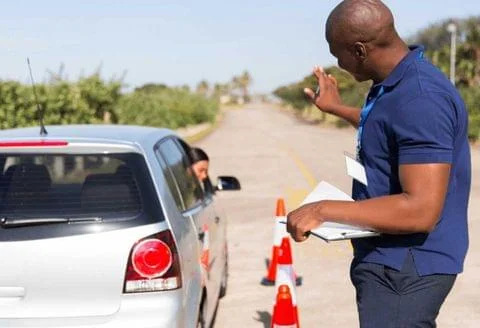
Learning to drive is a major milestone, but the school you choose can determine whether that milestone becomes a foundation for safe driving or a source of future problems. In Nigeria, the Federal Road Safety Corps (FRSC) is the only body legally authorised to approve and regulate driving schools nationwide. Choosing a non-approved school might seem like a cheaper or faster option, but it often leads to serious consequences that far outweigh any short-term savings. Here is why you should never learn driving from a non-FRSC approved school.
First and foremost, non-approved schools do not follow the standardised national curriculum set by FRSC. Approved schools are required to teach both theoretical knowledge (road signs, traffic laws, defensive driving techniques, and first aid) and sufficient practical hours under supervised conditions. Unapproved schools frequently cut corners, offering minimal theory classes or rushing students through practical sessions with little real instruction. As a result, graduates often lack the skills needed to handle real Nigerian road conditions, such as heavy traffic, potholes, aggressive drivers, or sudden weather changes. This gap in training increases the risk of accidents, not just for the new driver but for everyone sharing the road.
Secondly, certificates from non-approved schools are not recognised by FRSC. When you finish training and apply for your driver’s licence, FRSC will verify your training records through their database. If the school is not accredited, your training will not be accepted, and you may be required to start all over again at an approved school. Many people discover this only after paying for training and attempting the licensing process, leading to wasted time and money. In some cases, individuals have spent months or even years driving with invalid documents before being caught during a routine check, resulting in fines, vehicle impoundment, or court cases.
Safety is another major concern. Approved schools must use roadworthy vehicles equipped with dual controls, maintain proper insurance, and employ instructors who have been trained and certified by FRSC. Non-approved schools often use old, poorly maintained cars without dual controls, putting both student and instructor at risk. Instructors in unapproved schools may lack formal training themselves, teaching outdated or even dangerous habits. Learning incorrect techniques, such as improper steering, braking, or road positioning, can become difficult to unlearn and may lead to bad driving habits that last a lifetime.
Insurance companies are also becoming stricter. Many insurers now request proof of training from an FRSC-approved school before issuing comprehensive policies or offering favourable rates. A certificate from an unapproved school may lead to higher premiums or outright refusal of coverage. In the event of an accident, an invalid training certificate can complicate claims and leave you financially exposed.Beyond personal risk, choosing a non-approved school undermines the broader goal of road safety in Nigeria.
FRSC’s approval system exists to raise the standard of driver education across the country and reduce the high rate of road crashes. When people bypass approved schools, it weakens the system and contributes to the pool of inadequately trained drivers on our roads.To avoid these problems, always verify a school’s status before enrolling. Visit the official FRSC website or the National Driver’s Licence portal and check the current list of accredited schools for your state. You can also contact your state FRSC command or local office for confirmation.
A legitimate school will gladly show you its FRSC accreditation certificate, training vehicles, and curriculum outline. If a school hesitates or cannot provide clear proof of approval, walk away and look for another option.While approved schools may cost slightly more or require more time, the investment is worthwhile. You receive quality training, a recognised certificate, and the confidence that comes from learning proper driving skills. In the long run, this can save you money on insurance, reduce the risk of accidents and fines, and give you peace of mind every time you get behind the wheel.
Learning to drive is not just about obtaining a licence it is about developing skills that will keep you and others safe for years to come. Choosing an FRSC-approved school is the smartest and safest decision you can make. Take the time to verify accreditation, ask questions, and enrol only with a legitimate training provider. Your future self, and everyone who shares the road with you, will be grateful for that choice.