
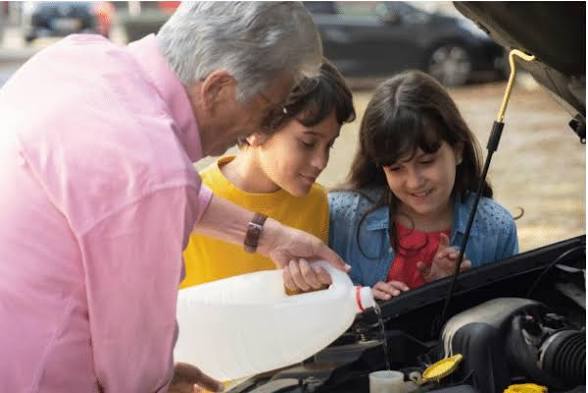
Vehicle maintenance basics are an essential part of the curriculum in every FRSC-approved driving school in Nigeria. While many learners focus mainly on learning how to drive, approved schools understand that a responsible driver must also know how to keep their vehicle safe and reliable. Teaching these basics helps new drivers avoid breakdowns, reduce running costs, and prevent accidents caused by mechanical failures. Here is a clear explanation of the key vehicle maintenance topics taught in FRSC-approved schools and why they matter.
One of the first things students learn is the importance of regular engine oil checks and changes. Instructors explain that engine oil lubricates moving parts, reduces friction, and helps cool the engine. In Nigeria’s hot climate and heavy traffic, oil breaks down faster, so checking the level and condition every 1,000 to 2,000 km is strongly emphasised. Students are taught how to read the dipstick correctly, identify healthy oil colour and texture, and understand when it is time for a change. They also learn that using the right grade and quality of oil prevents engine wear and improves fuel efficiency.Another core topic is tyre maintenance.
FRSC-approved schools dedicate time to teaching students how to check tyre pressure, tread depth, and overall condition. Learners are shown how to use a pressure gauge and a simple coin test for tread depth. Instructors highlight that underinflated tyres increase fuel consumption, reduce grip on wet roads, and raise the risk of blowouts. Students also learn the importance of rotating tyres regularly and the dangers of mixing different tyre types or using worn tyres during the rainy season.
Brake system awareness is heavily stressed for safety reasons. Students learn basic signs of brake problems, such as a soft or spongy pedal, unusual noises when braking, or the car pulling to one side. They are taught to check brake fluid levels and understand that brake pads and discs wear out over time, especially in stop-go traffic. The schools emphasise that brakes should be inspected by a mechanic at least every 10,000 km or whenever any warning signs appear.Cooling system maintenance is another key area. Instructors explain how the radiator, coolant, and water pump work together to prevent overheating. Students learn to check coolant levels when the engine is cold, recognise the correct coolant mixture, and identify leaks or hose damage. Given Nigeria’s high temperatures, understanding how to prevent overheating is particularly important for long journeys.Basic electrical system checks are also covered. Learners are taught to inspect battery terminals for corrosion, check headlight, indicator, and brake light operation, and understand the importance of a healthy battery and alternator.
A simple demonstration of how to use jumper cables is often included so students can handle a flat battery situation safely.Routine exterior and interior checks form part of the daily preparation habit. Students are encouraged to walk around the car before every drive to look for tyre damage, fluid leaks, loose parts, or cracked glass. Inside the car, they learn to ensure mirrors, seatbelts, and wipers are in good working order.FRSC-approved schools also teach the importance of following the manufacturer’s service schedule. Instructors explain that regular servicing at authorised or reputable workshops helps catch small problems before they become major failures. They stress the value of keeping a simple maintenance record book to track oil changes, filter replacements, and other services.
By including these vehicle maintenance basics in the curriculum, FRSC-approved schools produce drivers who are not only skilled behind the wheel but also responsible vehicle owners. Students leave training with the knowledge and confidence to notice early warning signs, perform basic checks, and make informed decisions about when professional service is needed.This combination of driving skills and maintenance awareness helps reduce breakdowns, lowers long-term ownership costs, and contributes to safer roads across Nigeria. When you choose an FRSC-approved school, you are not just learning how to drive you are learning how to care for your vehicle so it serves you reliably for many years.
Taking vehicle maintenance seriously from the very beginning of your driving journey is one of the best habits you can develop. It shows responsibility and helps ensure that every trip you make is as safe and trouble-free as possible.