
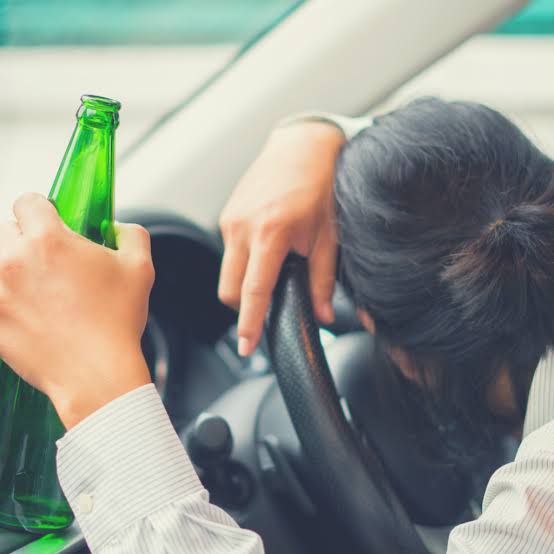
Driving under the influence of alcohol or drugs remains one of the leading causes of road crashes, injuries, and deaths in Nigeria. Every year, thousands of lives are lost or permanently altered because someone chose to get behind the wheel after consuming alcohol or substances that impair judgement and reaction time. The effects are not just personal; they ripple through families, communities, and the healthcare system. Understanding these dangers clearly can help drivers make safer choices and protect everyone on the road.Alcohol is the most common substance linked to impaired driving. Even small amounts slow down reaction time, reduce coordination, and affect decision-making. In Nigeria’s busy roads, where split-second reactions are often needed to avoid potholes, sudden lane changes by okadas, or pedestrians crossing unexpectedly, even a slight delay can be fatal. Studies by the Federal Road Safety Corps (FRSC) consistently show that a large percentage of serious accidents, especially at night and during weekends, involve drivers with alcohol in their system. The risk increases dramatically with higher blood alcohol concentration. At 0.05% (roughly two bottles of beer for an average adult), the chance of a crash doubles. At 0.08% or higher, the risk rises sharply, and the driver’s ability to judge speed and distance is severely compromised.Drugs, both illegal and some prescription medications, pose equally serious risks. Substances like cannabis, opioids, tramadol, codeine syrups, and even certain cough medicines can cause drowsiness, distorted perception, slowed reflexes, and overconfidence. Many young drivers in Nigeria mix alcohol with tramadol or other substances, believing it makes them bolder or more alert. In reality, the combination multiplies impairment and significantly increases the likelihood of losing control of the vehicle. Unlike alcohol, some drugs remain in the system for hours or even days, meaning a driver may still be impaired long after feeling “normal.”The consequences of driving under the influence go far beyond a fine. FRSC and police have the authority to arrest, impound the vehicle, and prosecute offenders. Penalties include heavy fines, licence suspension or revocation, and in cases involving injury or death, lengthy jail terms. Beyond legal punishment, the human cost is devastating. A single impaired driver can cause multiple fatalities, lifelong disabilities, and emotional trauma for entire families. Survivors often face huge medical bills, loss of income, and psychological scars that last for years.Impaired driving also affects insurance. Many comprehensive policies exclude coverage for accidents caused by alcohol or drug use. This means the driver becomes personally responsible for all damages, medical costs, and legal fees. In addition, repeat offenders may find it difficult or extremely expensive to obtain insurance in the future.The effects on the body are well documented. Alcohol and drugs impair vision, reduce peripheral awareness, slow decision-making, and weaken muscle coordination. At night, when visibility is already poor, these impairments become even more dangerous. Fatigue, which is common during long night drives, compounds the problem. Many crashes involving drunk or drugged drivers occur between 10 pm and 4 am, when both impairment and tiredness peak.Preventing these tragedies starts with personal responsibility. If you plan to drink or use substances, arrange alternative transportation or designate a sober driver in advance. Never assume you can “handle” a small amount and still drive safely. Even one bottle of beer or a single dose of certain medications can impair your abilities enough to cause a serious accident. If you are already on the road and feel even slightly affected, pull over safely and rest or call for help.FRSC officers conduct regular checks at checkpoints and during patrols. Refusing a breathalyser or drug test is treated as an admission of guilt and carries its own penalties. Being honest and responsible is always the better choice.Driving under the influence is never worth the risk. The temporary pleasure or relief from alcohol or drugs is never worth the potential loss of life, permanent injury, legal consequences, or financial ruin. By choosing not to drive when impaired, you protect yourself, your passengers, other road users, and your future.Make the responsible decision every time you get behind the wheel. If you have consumed alcohol or drugs, hand over the keys or wait until you are completely sober. The roads will be safer, and you will arrive at your destination without regret.Safe driving is a choice. Make the right one.