
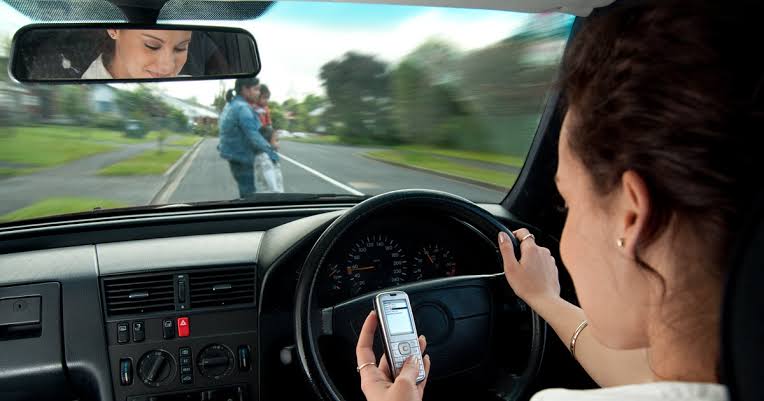
Distracted driving has become one of the leading causes of road crashes in Nigeria, claiming thousands of lives and causing serious injuries every year. In busy cities like Lagos, Abuja, and Port Harcourt, where traffic is heavy and road conditions are unpredictable, even a few seconds of lost attention can lead to devastating consequences. Many drivers underestimate how dangerous it is to divide their focus between the road and other activities, but the evidence is clear: distraction behind the wheel is as risky as driving under the influence of alcohol. Understanding these dangers is the first step toward safer driving habits.
Distracted driving occurs whenever a driver’s attention is taken away from the primary task of controlling the vehicle. It generally falls into three categories: visual distraction (taking your eyes off the road), manual distraction (taking your hands off the wheel), and cognitive distraction (taking your mind off driving). In Nigeria, the most common form is the use of mobile phones. Whether texting, making calls, checking WhatsApp, or browsing social media, phone use is widespread and extremely hazardous. Studies by the Federal Road Safety Corps show that drivers using phones are four times more likely to be involved in a crash. At 80 km/h, taking your eyes off the road for just four seconds means you travel the length of a football field without looking ahead.
Eating, drinking, adjusting the radio, or interacting with passengers are other frequent distractions. Reaching for food or a drink takes one hand off the wheel and shifts your focus. Loud music or arguments with passengers can reduce your ability to hear important sounds like sirens or horns. Even adjusting the GPS or air conditioning while moving can create dangerous moments of inattention. In heavy go-slow traffic, many drivers feel it is safe to multitask, but sudden movements by motorcycles, pedestrians, or other vehicles can turn a minor distraction into a serious collision.
The effects of distraction are immediate and severe. Reaction time slows down significantly, making it harder to avoid potholes, sudden brake lights, or pedestrians stepping into the road. Braking distance increases, and the ability to judge speed and distance is impaired. In rainy conditions or during harmattan when visibility is already low, distraction becomes even more deadly.
FRSC data consistently links distracted driving to a large percentage of rear-end collisions, side impacts at junctions, and single-vehicle crashes where the driver veered off the road.Beyond physical danger, distracted driving carries serious legal and financial consequences. FRSC enforces strict rules against phone use while driving, with fines and possible licence suspension for offenders. In the event of an accident, insurance companies may deny claims if distraction is proven to be a factor. Medical bills, vehicle repairs, legal fees, and loss of income can place a heavy burden on families. For commercial drivers, a single incident can lead to job loss and long-term reputational damage.
Children and passengers are also at risk. A distracted driver is less able to respond to sudden hazards, increasing the chance of injury to everyone in the vehicle. Parents who use phones while driving with children in the car set a poor example and put their loved ones in danger.Preventing distracted driving starts with personal discipline. The most effective rule is simple: when the car is moving, your focus must stay on the road. Put your phone on silent or in a holder and use voice commands only when necessary.
Plan your route and music before starting the journey. If you need to make a call or send a message, pull over safely first. Teach passengers to respect the driver’s need for concentration and avoid unnecessary conversations during difficult road sections.Employers and fleet operators also have a role to play. Company policies that ban phone use while driving, combined with proper training and monitoring, can significantly reduce incidents. Parents should model good behaviour by never using phones while driving with children present
.Distracted driving may feel harmless in the moment, but the risks are real and far-reaching. By keeping your attention fully on the road, you protect yourself, your passengers, and other road users. The few seconds saved by checking a message or adjusting the radio are never worth the potential cost of a crash. Make a conscious decision to drive with full focus every time you get behind the wheel.
Safe driving is not just about skill; it is about presence of mind and respect for the lives that share the road with you.Small changes in daily habits can create a big difference in road safety. Put the phone down, stay alert, and drive responsibly. Your commitment to undistracted driving helps make Nigeria’s roads safer for everyone.