
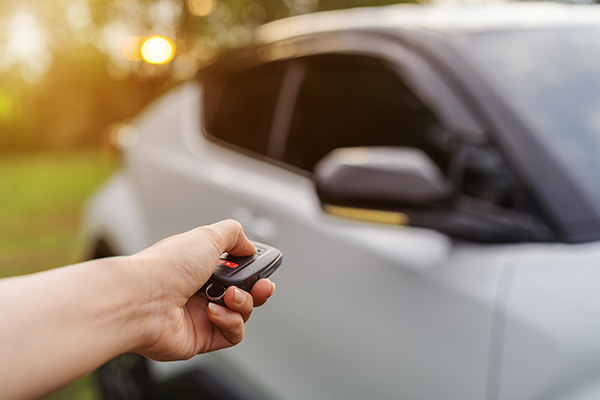
Remote start systems allow you to start your car’s engine from a distance using a key fob or smartphone app, so the vehicle is already running and the air conditioning is cooling down before you get in. In Nigeria’s intense heat, where dashboard temperatures can easily exceed 50–60°C after sitting in the sun, this feature sounds incredibly appealing. Many drivers wonder whether the convenience and comfort justify the cost and potential risks in our challenging environment.
A remote start system works by sending a signal to the car’s engine control unit to start the engine without using the key in the ignition. Most systems also activate the air conditioning automatically. You can start the car from 20 to 50 metres away (depending on the system), giving the AC time to bring the cabin temperature down significantly before you enter. This is particularly useful during the dry season when getting into a parked car feels like stepping into an oven.
The Benefits in Nigerian Conditions
The biggest advantage is comfort. Pre-cooling the car for 5–10 minutes can drop interior temperatures by 10–15°C, making your drive much more pleasant, especially during school runs, work commutes, or long trips. Many parents find it helpful for children who struggle with extreme heat. It also reduces the initial strain on the engine by allowing it to warm up gradually before driving, potentially improving long-term reliability.
Security is another plus. You can start the car from inside your house or office, reducing the time you spend exposed while entering the vehicle. Some advanced systems include smartphone apps that show engine status, fuel level, and even allow you to lock or unlock the car remotely.
The Challenges in Nigeria’s Climate
However, Nigeria’s harsh conditions create real concerns. Extreme heat puts additional stress on the electronics and battery of remote start systems. Cheap or poorly installed units often fail within the first year due to heat damage, especially in cars parked under direct sunlight. Dust and harmattan also affect sensors and connections over time.
Battery drain is another important consideration. Remote start systems draw power even when the car is off. In vehicles with older or weak batteries, this can lead to starting problems, especially during the rainy season when humidity affects electrical systems. Many mechanics report seeing increased alternator and battery issues in cars with aftermarket remote starters.
Compatibility is not universal. While most modern vehicles (2018 models and newer) from Toyota, Honda, Hyundai, and Kia can support remote start, older cars often require more complex installations that may affect the vehicle’s warranty or electrical system. Professional installation by experienced auto electricians is essential bad wiring can cause expensive damage.
Cost Considerations
A good quality remote start system in Nigeria costs between ₦150,000 and ₦450,000, including professional installation. Premium smartphone-integrated systems are at the higher end. You should also budget for occasional maintenance and possible battery upgrades. While the initial cost is significant, many owners say the daily comfort makes it worthwhile, especially if you use your car frequently in hot weather.
Are they worth it?
Remote start systems are worth considering if you:
Live in very hot areas and regularly park your car in direct sunlight
Have young children or elderly passengers who suffer in hot cars
Drive a modern vehicle that is compatible with clean installation
Can afford professional installation and quality components
They may not be necessary if you mostly drive early mornings, park in shaded or covered areas, or own an older vehicle where installation would be complicated.
For best results, choose systems with good heat resistance, strong signal range, and reliable customer support. Combine remote start with practical habits like using sunshades, parking strategically, and maintaining your car battery and AC system.
Remote start technology has improved significantly and many Nigerian drivers now enjoy its benefits without major issues when properly installed. It represents a meaningful upgrade in comfort for those who can afford it, especially as temperatures continue to rise in our climate. The decision ultimately comes down to your daily driving habits, budget, and how much value you place on entering a pre-cooled car every time.