
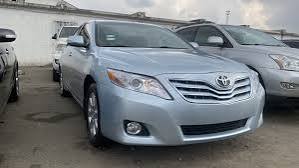
Many car buyers in Nigeria assume that “Nigeria-Used” vehicles should be cheaper to maintain because they are already adapted to local conditions. In reality, mechanics across Ladipo, Berger, and other major markets consistently report the opposite. Nigeria-Used cars often end up costing more in repairs and upkeep over time compared to carefully selected Tokunbo imports. This pattern emerges from differences in previous usage, maintenance culture, and the cumulative effect of our harsh road environment.
Nigeria-Used cars are typically vehicles that have spent most of their lives on Nigerian roads. They have endured years of potholes, flooded streets during the rainy season, heavy traffic with constant idling, and frequent exposure to adulterated fuel. These conditions accelerate wear on critical components like suspension systems, engine mounts, shock absorbers, and the undercarriage. A car that has done 80,000 km entirely in Nigeria often shows more structural fatigue than a Tokunbo with 120,000 km from smoother foreign roads.
Mechanics note that previous owners of Nigeria-Used cars frequently cut corners on maintenance. Many drivers only service their vehicles when something breaks down rather than following scheduled intervals. This leads to accumulated damage for example, worn brake components that were never properly replaced, or transmission fluid that was never changed on time. When the car changes hands, the new owner inherits these hidden problems, resulting in higher repair bills in the first one to two years.Tokunbo vehicles, when properly vetted, usually come with better service history.
Many were regularly maintained abroad under stricter emission and safety standards. Their engines and transmissions often have less internal wear despite higher mileage. Parts like timing belts, water pumps, and suspension components tend to last longer because they were not subjected to our extreme heat, dust, and poor fuel quality for their entire life.
Fuel system issues provide a clear example. Nigeria-Used cars have typically run on adulterated petrol for years, leading to clogged fuel injectors, dirty throttle bodies, and carbon buildup. Tokunbo cars arriving from Europe or America usually show cleaner engines when inspected. Mechanics in Lagos report that cleaning or replacing fuel system components on Nigeria-Used cars is one of the most common and recurring expenses.
Another major factor is accident history and bodywork quality. Many Nigeria-Used cars have been involved in minor collisions and repaired locally using lower-quality panels and paint. These repairs often hide underlying structural issues that surface later as expensive problems. Tokunbo vehicles, especially those with clean history reports, generally have better structural integrity.
However, this does not mean all Nigeria-Used cars are bad. A well-maintained Nigeria-Used vehicle from a meticulous owner can be an excellent buy. The key is thorough inspection. Always insist on a comprehensive pre-purchase inspection by an independent mechanic who understands local conditions. Check service records, look for consistent oil changes, and pay special attention to the suspension, steering, and electrical systems.
For buyers on a tight budget, Nigeria-Used cars can still make sense if the price is significantly lower and the vehicle is from a trusted source. The savings on purchase price can offset higher maintenance costs if you plan to keep the car for only 2–3 years. But for those intending long-term ownership, a good Tokunbo often proves cheaper overall.The difference becomes clearest after the first major service cycle. Many buyers of Nigeria-Used cars report spending 30–60% more on repairs in the first 18 months compared to owners of similar Tokunbo models. This includes frequent suspension work, electrical faults, and cooling system issues caused by years of accumulated stress.
Smart buyers now look beyond mileage and year of manufacture. They evaluate the car’s maintenance culture and the environment it has operated in. A 2018 Nigeria-Used Camry that has been used mainly for school runs in a quiet area may be better than a 2020 model that worked as a taxi in heavy Lagos traffic.
In the end, the higher maintenance cost of Nigeria-Used cars stems from real, accumulated damage rather than any inherent flaw in the vehicles themselves. By understanding this reality and doing proper due diligence, you can make better buying decisions and avoid the common trap of choosing based on price alone.
Whether you ultimately choose Nigeria-Used or Tokunbo, budget realistically for maintenance. The cheapest car to buy is rarely the cheapest to own. Taking time to select the right vehicle with a solid history will save you money and frustration in the long run on Nigerian roads