
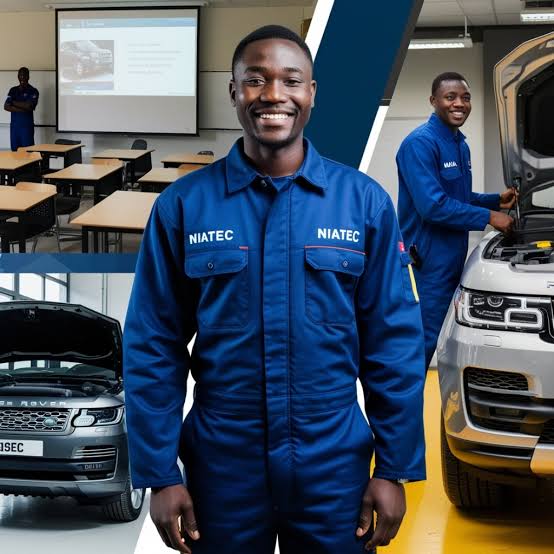
Nigeria’s growing auto industry needs skilled technicians who can handle modern vehicles, diagnose complex faults, and work safely. Young people interested in this field often face a clear choice: join a structured FRSC-approved auto tech training school or learn through traditional roadside apprenticeship. Both paths can lead to success, but they differ significantly in approach, skills gained, time required, and long-term opportunities.
FRSC-approved auto tech schools provide formal, structured training. These institutions follow a standardized curriculum developed with input from the Federal Road Safety Corps and other regulatory bodies. Students learn both theory and practical skills in a classroom and workshop setting. Courses typically cover engine repair, auto electrical systems, transmission, suspension, diagnostics, and safety procedures. Training usually lasts between 6 months to 2 years depending on the program level.
The biggest advantage of approved schools is the quality and recognition of the certificate. Graduates receive documents that are widely accepted by employers, workshops, and even for obtaining certain professional licences. The training emphasizes safety standards, proper use of tools, and understanding of modern vehicle technology, including electronics and computer-controlled systems now common in tokunbo cars. Many schools also include business management modules, helping students who want to open their own workshops later.
However, formal training comes with higher costs. Tuition, tools, and materials can range from ₦150,000 to over ₦500,000 depending on the school and duration. Some students also need accommodation if the school is far from home. The structured schedule may feel slow for those who want to start earning quickly.
Roadside apprenticeship, on the other hand, remains the traditional and most popular route for many young mechanics. Apprentices (often called “boys”) join established workshops and learn directly by observing and participating in real repairs. This method is faster and cheaper many masters charge little or nothing upfront, expecting the apprentice to work for them for 2 to 4 years in exchange for training.
The strength of roadside learning lies in its practicality. Apprentices gain hands-on experience very quickly on the exact types of cars common in Nigeria. They learn how to improvise with limited tools, diagnose problems under real pressure, and handle the harsh conditions of our roads and fuel. Many successful mechanics today started this way and built strong reputations through practical skill.
Yet, this path has notable weaknesses. Training quality varies wildly depending on the master mechanic. Some apprentices learn bad habits or incomplete techniques. Theoretical knowledge is often weak, making it difficult to understand modern electronic systems or pass professional certification tests. There is no formal certificate at the end, which can limit job opportunities in bigger workshops, dealerships, or when seeking government contracts.Many roadside-trained mechanics later struggle when facing new vehicle technologies or when they want to open their own registered business. They may also miss important safety training, which increases risk of injury or mistakes that damage customer vehicles.
For young people deciding between the two paths, the best choice depends on their goals and circumstances. Those who want to work in modern workshops, dealerships, or eventually run a professional business benefit more from FRSC-approved schools. The structured knowledge and recognized certificate open more doors and command better pay over time.Apprenticeship suits those who need to start earning quickly or come from families that cannot afford formal school fees. Many combine both approaches learning basics through apprenticeship and later attending short certification courses at approved centres to strengthen their knowledge.
The auto industry is changing. Modern cars require better diagnostic skills, understanding of software, and proper documentation. Employers increasingly prefer technicians with both practical experience and formal training. This makes the hybrid path strong hands-on experience plus recognized certification the most promising route for long-term success.
Parents and young people should research schools carefully. Look for genuine FRSC approval, good workshop facilities, and instructors with real experience. For apprenticeship, choose masters with good reputations and a history of producing competent mechanics.Nigeria needs more skilled auto technicians. Whether through formal schools or traditional apprenticeship, the most successful professionals are those who remain curious, continue learning, and maintain high ethical standards. The combination of practical skill and theoretical knowledge is becoming the new standard in the industry.
By understanding the strengths and limitations of each training path, aspiring mechanics can make informed decisions that match their circumstances and career goals. The road to becoming a respected auto professional in Nigeria is open to those willing to learn properly and work hard.