
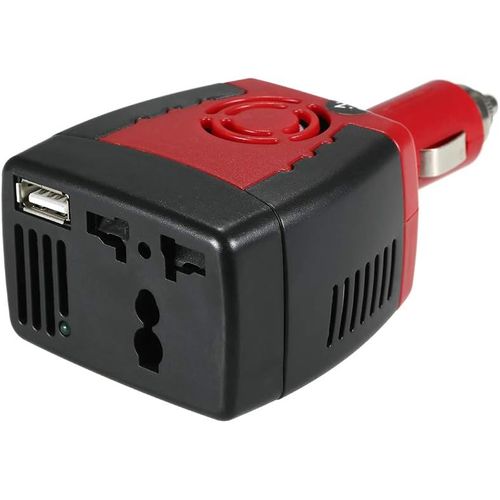
Many professionals in Nigeria find themselves needing to work from their cars during long traffic delays or power outages at home. A good power inverter lets you charge laptops, phones, and other devices safely while driving or parked. Choosing the right inverter makes the difference between reliable power and frustrating interruptions or even damage to your expensive electronics.Power inverters convert your car’s 12-volt DC power into 220-volt AC power that most laptops and gadgets need. For Nigerian drivers, the best inverters balance power output, efficiency, safety features, and durability in our hot, dusty conditions. Pure sine wave inverters are generally better for sensitive electronics like laptops because they produce clean power similar to what you get from the national grid. Modified sine wave inverters are cheaper but can cause laptops to run hotter or charge more slowly.
When selecting an inverter, consider your typical power needs. A 300-500 watt inverter is sufficient for charging one or two laptops and phones simultaneously. If you run multiple devices or small appliances, look for 1000 watt or higher models. Higher wattage inverters need proper wiring to avoid draining your car battery too quickly.Heat management is crucial in Nigeria. Good inverters have built-in cooling fans and heat sinks that prevent overheating during long use in traffic. Models with automatic thermal shutdown protect both the inverter and your car’s electrical system. Dust resistance is another important feature look for units with sealed designs or easy-to-clean vents.
Several reliable options have proven themselves among Nigerian drivers. Compact pure sine wave inverters from established brands offer good performance for everyday laptop charging. They are small enough to fit in the glove box and provide stable power even when the engine is idling. Many users report successful daily use for several years with proper care.Installation and usage require some attention. Most inverters plug into the cigarette lighter socket, but for higher power models, direct connection to the battery with proper fusing is safer and more efficient.
Always turn the inverter off when the car is not running to avoid draining the battery. Many drivers use a separate switch or only run the inverter while the engine is on.Safety features like overload protection, short circuit protection, and low voltage shutdown are essential. These prevent damage to your car’s electrical system and your devices. Quality inverters also have multiple USB ports for convenient phone and tablet charging alongside the AC outlets for laptops.For best results in our climate, park in shaded areas when possible and avoid using the inverter in extreme heat without proper ventilation.
Clean dust from the unit regularly to maintain cooling efficiency. Some drivers add small dashboard fans to improve airflow around the inverter during heavy use.Understanding your power needs helps you choose the right size. A typical laptop charger uses 60–90 watts, so a 300 watt inverter provides comfortable headroom for one laptop and phone charging. Larger inverters give more flexibility but consume more power from your car’s alternator and battery.Many Nigerian professionals who work from their cars during go-slow have found that a good inverter combined with a power bank or laptop with strong battery life provides reliable productivity even during long power outages or traffic delays. The investment in a quality unit usually pays for itself quickly through convenience and time saved.Taking care of your inverter extends its life significantly.
Store it properly when not in use, avoid overloading, and check connections regularly. With the right choice and proper use, a power inverter becomes a valuable tool that makes working from your car both possible and comfortable in Nigeria’s challenging conditions