
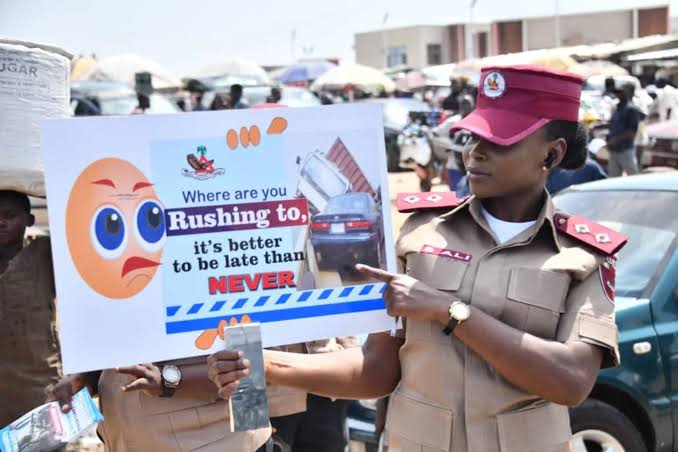
Speed cameras and automated enforcement systems have become a bigger part of road safety efforts in Nigeria in 2026. While the Federal Road Safety Corps (FRSC) continues to rely heavily on mobile patrols, laser radar guns, and special operations, fixed and intelligent camera systems are expanding, especially on busy federal corridors and in major cities. Drivers who understand where these systems operate, how they work, and the rules that apply can avoid unnecessary fines and contribute to safer roads.
In Lagos, one of the most advanced setups is already active. Cameras monitor key locations including the Third Mainland Bridge (with an 80 km/h limit), Alapere-Ogudu Road, Mobolaji Bank Anthony Way, Allen Avenue, and Nurudeen Olowopopo Drive. These systems check not only speeding but also red-light running, illegal U-turns, and lane violations. On federal roads like the Third Mainland Bridge, CCTV feeds are monitored in real time from dedicated control centres, allowing for both automated detection and officer response.
Across the country, FRSC has intensified technology use. The Corps has upgraded its Speed Limiting Device monitoring portal and deploys laser radar guns during special patrols on high-risk routes such as the Sagamu-Benin Expressway, Lagos-Ibadan corridor, and other major highways. Special intervention operations in 2026 have targeted speeding as a primary cause of crashes. While a single nationwide public list of every FRSC fixed camera is not always published in one place, drivers should treat major expressways, bridges, and accident-prone sections as high-enforcement zones.
How the Systems Work
Modern speed cameras use radar, LiDAR, or sensors to measure vehicle speed. When a vehicle exceeds the posted limit, high-resolution cameras capture the number plate. Automatic Number Plate Recognition (ANPR) matches the plate to the vehicle registration database. The system records the speed, time, location, and vehicle details as evidence. In many cases, the registered owner receives an SMS notification of the violation rather than being stopped on the spot.
On federal roads under FRSC oversight, the process may involve both automated capture and physical interception by patrol teams. Commercial vehicles face additional scrutiny because many are required to have functional speed limiters. FRSC continues to enforce the use of these devices and monitors compliance through its upgraded portal.Fines and What to ExpectIn Lagos, the stated fine for speeding captured by the intelligent systems is ₦50,000. Other traffic offences such as running a red light attract around ₦20,000. Offenders who believe the ticket is incorrect can contest it by providing evidence. Nationwide FRSC fines for speeding and related offences follow the Corps’ official schedule and can include booking, impoundment in serious cases, or requirements to install or repair speed limiters for commercial vehicles.
Drivers should keep vehicle particulars updated. An incorrect registered phone number or address can delay notice of a violation and complicate the resolution process. Paying fines promptly through official channels avoids additional penalties or complications when renewing documents.
Practical Tips for Drivers in 2026
Always observe posted speed limits. On the Third Mainland Bridge the limit is 80 km/h; many urban sections drop to 50–60 km/h. Expressways often have higher limits, but construction zones and school areas have lower temporary limits that must be respected.Watch for warning signs. Many camera locations now have clear signage advising motorists of automated enforcement. Slowing down when you see these signs is the simplest way to stay compliant.
Maintain your vehicle properly. Faulty speedometers, worn tyres, or defective speed limiters (especially on commercial vehicles) increase the risk of violations and crashes. Regular checks keep both you and your passengers safer.If you receive a violation notice, review it carefully. Note the date, time, location, and alleged speed. If you believe an error occurred, follow the official contest process with supporting evidence such as dashcam footage or witness statements where available.
Stay informed through official FRSC channels and state traffic agencies. Special operations and new camera deployments are often announced in advance. Following FRSC Nigeria on social media and listening to traffic radio updates helps you anticipate high-enforcement periods, especially during festive seasons and “ember” months.
Why This Matters
Speeding remains one of the leading causes of road crashes and fatalities in Nigeria. Automated systems reduce the need for constant physical stops, provide clear evidence, and encourage more consistent compliance. For drivers, the message is straightforward: observe speed limits, keep documents current, and treat major corridors and urban camera zones with extra caution.
By understanding the locations, technology, and enforcement process in 2026, motorists can avoid costly fines and contribute to safer roads for everyone. Drive within the limits, stay alert, and make road safety a daily habit.