
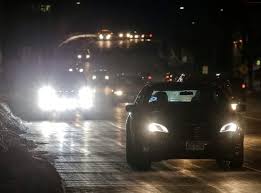
Night driving in Nigeria carries higher risks than daytime travel. Reduced visibility, poorly lit highways, broken-down vehicles without warnings, and driver fatigue all contribute to more serious crashes after dark. The Federal Road Safety Corps regularly advises motorists to avoid unnecessary night journeys, yet many people still drive after sunset for work, family, or long-distance travel. Understanding the legal rules on headlights and avoiding common illegal practices can make these journeys significantly safer.
Under Nigerian road traffic regulations, every motor vehicle must have complete and functional headlights, parking lights, and indicator lights. Between sunset and sunrise, or during conditions of poor visibility such as rain or fog, vehicles are required to use properly working lamps. The law expects at least two front lamps that show a white light and clearly indicate the width of the vehicle. Headlamps must be correctly adjusted so the beam does not dazzle other road users. When approaching an oncoming vehicle or following closely behind another car, drivers are required to dip their lights to low beam.
These rules exist for practical safety reasons. Properly aimed low beams allow you to see the road ahead without blinding others. High beams are useful on dark, empty stretches but must be switched to low beam as soon as another vehicle approaches. Driving with only one working headlight, known commonly as “one-eye” driving, is both illegal and dangerous because it confuses other motorists about the size and position of your vehicle.Despite the clear rules, several illegal and risky practices remain widespread. Many drivers leave high beams on continuously, especially on dual carriageways and expressways. This dazzles oncoming traffic and can cause temporary blindness that lasts several seconds enough time for a serious incident.
Another common problem is the use of aftermarket LED light bars or overly bright auxiliary lights that are not properly focused. While these may improve the driver’s own visibility, they often create dangerous glare for everyone else.Driving with defective lights is also frequent. Burnt-out bulbs, cracked lenses, or poorly adjusted lamps are regularly spotted by FRSC patrols. Some drivers replace standard headlights with unauthorised coloured or flashing lights, or install beacon-style lights reserved for emergency and official vehicles.
These modifications violate regulations and can attract fines or impoundment.In rain and fog, some motorists fail to switch on headlights at all, relying only on daytime running lights or nothing. This makes the vehicle almost invisible to others. Equally dangerous is the habit of driving with interior lights on or with dirty, fogged headlight covers that drastically reduce light output.FRSC treats light-related offences seriously because defective or improperly used lights contribute directly to night-time crashes. Officers can book vehicles for light sign violations, and in some cases the vehicle may be impounded until the faults are corrected. The Corps has conducted special operations targeting defective lighting systems in various states, emphasising that functional lights are a basic roadworthiness requirement.
Safe night driving goes beyond simply switching on the lights. Before any night journey, check that both headlights, brake lights, indicators, and rear lights work. Clean the headlight lenses regularly; yellowed or cloudy plastic covers can cut light output significantly. Keep a spare set of bulbs in the vehicle if possible. Adjust the headlight aim if the car is heavily loaded so the beam does not point too high.
When driving, reduce speed to match the limited visibility. Dip your lights for oncoming traffic and when following another vehicle. If dazzled by another driver’s high beams, look towards the right edge of the road rather than directly into the light and slow down until your vision recovers. Maintain a greater following distance than you would during the day.Avoid driving with only one headlight. If a bulb fails during a journey, use hazard lights carefully and stop at the next safe location to replace it or arrange assistance. Never continue on a major highway with incomplete lighting.
Commercial drivers and fleet operators have a particular responsibility. Vehicles used for night transport should undergo regular light checks as part of routine maintenance. Passengers also play a role by speaking up when a driver is using high beams improperly or driving with obvious lighting defects.
Night driving will always carry higher risks in Nigeria because of road conditions and limited infrastructure. Following the legal headlight rules and rejecting common illegal practices reduces those risks for everyone on the road. Functional, correctly used lights help you see and be seen the foundation of safer night travel.
Make headlight checks a normal part of your pre-trip routine. Respect the dip rule, keep your lamps clean and properly aimed, and avoid modifications that endanger other road users. These simple habits save lives on Nigerian roads after dark.