
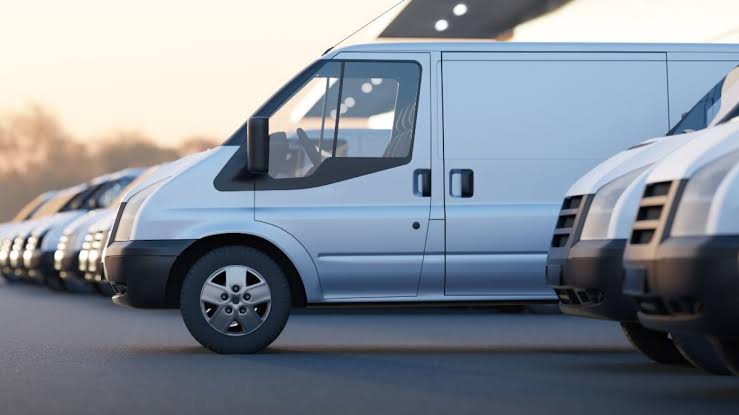
Delivery and small logistics work in Nigeria demand vehicles that can handle long hours, heavy traffic, poor roads, and tight operating margins. Whether you are running package deliveries in Lagos, moving goods between markets, or supporting an e-commerce side hustle, the right vehicle directly affects fuel costs, downtime, and daily profit. The best options balance cargo capacity, fuel efficiency, reliability, and low maintenance rather than luxury or high speed.For pure last-mile work inside dense cities, many operators still rely on motorcycles because they cut through traffic faster than any car.
When the job requires weather protection, higher security for goods, or the ability to carry bulkier items, a compact car or small commercial vehicle becomes necessary. The most successful small logistics operators match the vehicle to the typical load size and route type instead of buying the biggest or cheapest option available.Among passenger cars, the Toyota Corolla remains a favourite for light parcel and document delivery. Older but well-maintained examples are widely available, sip fuel reasonably in city traffic, and enjoy the largest spare-parts network in the country. Mechanics everywhere understand them, so repairs rarely keep a vehicle off the road for long. The boot space is modest yet sufficient for many e-commerce packages, food deliveries, or courier work. Similar logic applies to the Toyota Yaris, which offers even better fuel economy and easier parking at the cost of less interior room.
Both cars keep running costs predictable, which is critical when every litre of fuel comes out of thin margins.When loads become larger or more frequent, small vans and mini-trucks take over. The Daihatsu Hijet and Suzuki Every or Carry series are common sights in Nigerian cities for exactly this reason. These compact commercial vehicles provide a proper cargo area that can be loaded and unloaded quickly, while their small engines keep fuel consumption manageable. They navigate narrow streets better than full-size vans and cost less to buy and maintain than bigger alternatives. Operators who move market goods, bakery products, water, or multiple delivery stops in one trip often find these mini-vans more practical than a saloon car.
Used examples in decent condition remain relatively affordable and parts, though less ubiquitous than Toyota passenger-car components, are still obtainable in major commercial centres.For businesses that need versatility across both paved and rough roads, a used pickup truck enters the conversation. Older Toyota Hilux models are legendary for durability and can carry mixed loads while surviving bad roads that would punish a low-slung car. They cost more to fuel and maintain than a Corolla or Hijet, but the extra capability justifies the expense for operators serving estates, construction sites, or inter-city light haulage. Smaller Japanese mini-pickups also appear in this role for operators who want lower running costs than a full Hilux.Fuel economy should sit at the centre of any buying decision. Delivery work involves constant stop-start driving, idling, and short trips. A vehicle that returns strong real-world urban consumption protects daily profit more effectively than one with impressive highway figures.
Reliability ranks equally high. A vehicle that spends days at the mechanic generates zero revenue and can damage customer trust. This is why high-volume Japanese models continue to dominate commercial use even when newer or flashier alternatives appear cheaper upfront.Cargo practicality matters beyond raw volume. Flat loading floors, wide-opening rear doors or tailgates, and the ability to secure items easily reduce handling time at each stop. Some operators modify passenger cars with protective boot liners or add roof racks, but purpose-built small vans usually prove more efficient for regular commercial work. Security is another consideration. Vehicles that allow the cargo area to be locked separately from the cabin give better protection for goods during multi-stop routes.
Budget reality shapes the final choice. Many small operators start with a clean, high-mileage Toyota Corolla or Yaris because the purchase price is lower and financing or savings stretch further. As volume grows, they add a mini-van or pickup. Spreading risk across two different vehicle types can also help: one agile car for urgent small packages and one higher-capacity vehicle for bulkier consignments.Before buying, inspect thoroughly for accident history, flood damage, and worn suspension or transmission components. Commercial use is hard on vehicles, so starting with a mechanically sound example saves money later. Factor in the cost of branding, basic tools, a spare tyre, and routine servicing from day one. Keep accurate records of fuel and maintenance so you can see which vehicle actually contributes to profit.
The best car for delivery and small logistics is the one that stays on the road, consumes fuel modestly, and matches the size of the average load. For many Nigerian operators that still means a Toyota Corolla or Yaris for light work, a Daihatsu Hijet or Suzuki mini-van for medium loads, and a robust pickup when the job demands greater strength. Choose according to your typical routes and cargo, maintain the vehicle diligently, and it will become a reliable partner in building the business rather than a constant drain on resources.