
Electric convenience features that once marked expensive cars have steadily moved down the price ladder. Power windows, power-adjustable mirrors and central locking now appear on a wide range of vehicles, yet the exact combination still varies by brand, model year and trim level. Understanding what is typically standard and what remains optional helps buyers evaluate both new and Tokunbo cars more accurately.Power windows replace manual window winders with electric motors controlled by switches.
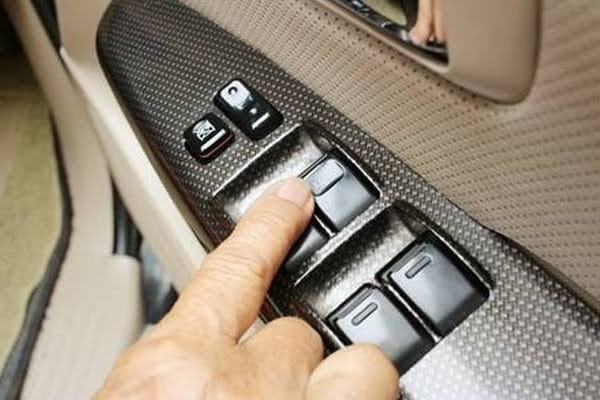
On most modern mainstream cars the driver’s door carries a master set of switches that operate all four windows, while each passenger door has its own switch. One-touch operation, usually for the driver’s window and sometimes for all windows, allows the glass to travel fully up or down with a single press. Anti-pinch protection stops the window and reverses it if an obstruction is detected. These features are now standard on the majority of mid-range and higher trims across Toyota, Honda, Hyundai, Kia and most European and Chinese brands. Base trims of budget models may still offer manual windows on the rear doors or, in rare cases, across the entire car. In daily use the difference is immediately noticeable. Drivers who frequently open and close windows in traffic or at security gates appreciate the convenience, and rear passengers gain independence without having to ask the driver to operate a winder.
Power mirrors follow a similar pattern. Electrically adjustable side mirrors allow the driver to set the view without reaching outside the car or relying on a passenger. Many systems include a folding function that tucks the mirrors against the body at the touch of a button or automatically when the car is locked. Some higher trims add heating elements that clear mist or light frost, and a growing number of vehicles offer memory settings linked to different driver profiles. On popular Japanese and Korean models, power-adjustable mirrors are standard from mid-level trims upward. Folding mirrors are more often reserved for higher specifications or appear as part of a convenience package. Manual mirrors still exist on the most basic versions of entry-level cars, requiring the driver to push the glass by hand. In tight Nigerian streets and crowded parking areas the ability to fold the mirrors quickly reduces the risk of damage and makes narrow gaps easier to negotiate.
Central locking is now almost universal. A single switch or the remote key fob locks and unlocks all doors simultaneously. Most systems also include an automatic locking function that secures the doors once the car moves off, and many unlock automatically when the engine is switched off or the key is removed. Remote keyless entry, where the car detects the key fob in proximity and allows the doors to be opened by pulling a handle, has become common on mid and higher trims. Some vehicles add a walk-away locking feature that secures the car once the fob leaves a certain range. Fully manual locking with separate keys for each door has largely disappeared from anything beyond the cheapest utility vehicles. In practice central locking improves both convenience and security, especially when the driver needs to lock the car quickly while managing passengers or shopping.
Across brands the pattern is reasonably consistent yet not identical. Japanese manufacturers such as Toyota and Honda tend to make power windows and central locking standard on most current passenger cars, with power mirrors and one-touch functions appearing from mid-trims. Korean brands follow a similar approach and often include folding mirrors earlier in the range. European models frequently package these features into option groups, so a base specification may omit power mirrors or rear power windows even on a relatively expensive vehicle. Chinese brands entering the market have used generous equipment lists as a selling point, frequently offering power windows, mirrors and advanced locking systems even on mid-priced SUVs. Older Tokunbo vehicles reflect the standards of their production years. A 2015 mid-trim Camry or Accord will usually have full power windows and mirrors, while a base model from the same era might still have manual rear windows.
The presence of these features affects more than convenience. Electric motors and associated wiring introduce potential failure points. Window regulators can wear, switches can fail, and mirror motors can become slow or noisy. Parts availability and repair cost vary by brand and model. Simple, widely used Japanese systems are generally straightforward and inexpensive to fix. More complex European or tightly integrated Chinese systems may require specialist diagnosis. When inspecting a used car it is worth testing every window, both mirrors and the locking system from the key fob, the interior switch and any exterior handles. Uneven movement, unusual noises or delayed responses often signal impending repairs.Climate and usage patterns in Nigeria place extra demands on these systems. Frequent operation of windows in hot weather increases motor wear. Dust can enter switches and mechanisms. Security concerns make reliable central locking and folding mirrors practical assets rather than luxuries. Drivers who regularly navigate tight compounds or street parking particularly value the ability to fold mirrors and lock the car from a distance.When comparing vehicles the key is to look beyond the simple presence of power features and note the exact level of equipment. Full four-window one-touch operation with anti-pinch, power-folding mirrors and proximity keyless entry represents the upper end of convenience. A car with power front windows, manual rears and basic central locking still offers a clear improvement over fully manual operation.
Matching the feature set to daily needs and confirming that everything works correctly prevents disappointment after purchase. These systems have become everyday expectations for many drivers, yet the difference between standard and optional equipment across brands and trims continues to shape both the driving experience and the long-term cost of ownership.