
Electric vehicles (EVs) are gaining traction in Nigeria as a sustainable alternative to traditional cars, offering lower running costs and environmental benefits. However, maintaining an EV requires a different approach compared to petrol or diesel vehicles. This SEO-friendly, detailed guide provides practical EV maintenance tips tailored for Nigerian drivers to ensure optimal performance and longevity, especially given the country’s unique road and climate conditions.
1. Battery Care and Monitoring
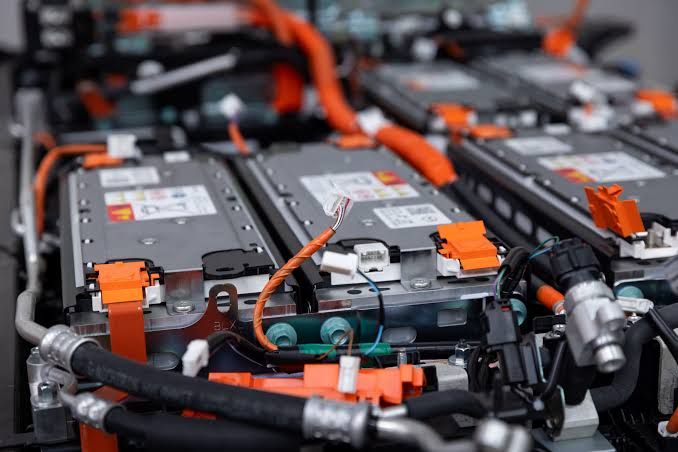
The battery is the heart of an EV, and proper care is critical for its longevity. In Nigeria’s hot climate, high temperatures can accelerate battery degradation.
- Check Battery Health Regularly: Use your EV’s onboard diagnostics or a mobile app (if available) to monitor battery health and charge levels. Most EV batteries last 8–15 years, but heat can shorten this lifespan.
- Avoid Extreme Charging Habits: Charge the battery to 80–90% for daily use, as constant full charges or deep discharges can stress the battery. Use slow charging when possible to reduce heat buildup.
- Park in Shade: Nigeria’s intense heat can harm battery performance. Park in shaded areas or garages to minimize heat exposure, especially during the dry season.
- Schedule Professional Battery Checks: Visit a certified EV technician annually to assess battery condition, especially if you notice reduced range.
2. Optimize Charging Practices
Nigeria’s inconsistent power supply and limited charging infrastructure demand strategic charging habits.
- Use Reliable Power Sources: Invest in a high-quality home charging unit compatible with your EV. If relying on Nigeria’s grid, use a surge protector to prevent damage from power fluctuations
- Leverage Solar Power: With Nigeria’s abundant sunlight, consider solar-powered charging stations to reduce costs and reliance on the grid. Ensure solar panels are clean and well-maintained.
- Clean Charging Ports: Dust and humidity in Nigeria can affect charging ports. Clean them gently with a dry cloth to ensure proper connections and avoid corrosion.
3. Tire Maintenance
EVs are heavier than traditional cars due to their batteries, putting extra strain on tires, especially on Nigeria’s rough roads.
- Check Tire Pressure Monthly: Maintain the manufacturer’s recommended pressure (check the driver’s door frame or manual). Underinflated tires reduce range and increase wear.
- Rotate Tires Regularly: Rotate tires every 10,000–12,000 km to ensure even wear, as EVs often have uneven weight distribution.
- Inspect for Damage: Nigeria’s potholes can cause tire punctures or rim damage. Check for cuts, bulges, or worn treads weekly and replace tires as needed.
4. Brake System Care
EVs use regenerative braking, which reduces wear on brake pads, but maintenance is still necessary.
- Inspect Brake Pads Annually: Though EVs require less frequent brake pad replacements, check them yearly for wear, especially if you drive in stop-and-go traffic in cities like Lagos or Abuja.
- Monitor Brake Fluid: Ensure brake fluid levels are adequate and replace every 2–3 years, as moisture from Nigeria’s humid climate can degrade it.
- Listen for Noises: Squeaking or grinding sounds may indicate issues with brake components. Address these promptly with a professional.
5. Cooling System Maintenance
EVs rely on cooling systems to regulate battery and motor temperatures, critical in Nigeria’s hot climate.
- Check Coolant Levels: Ensure the coolant (used for battery and motor cooling) is topped up per the manufacturer’s guidelines, typically every 2–3 years.
- Inspect Cooling Fans and Radiators: Dust and debris from Nigeria’s roads can clog cooling systems. Clean radiators and check fans during routine servicing to prevent overheating.
- Monitor Warning Lights: If your EV’s dashboard shows temperature-related warnings, consult a technician immediately to avoid battery damage.
6. Software Updates
EVs rely heavily on software for performance and efficiency.
- Keep Software Updated: Many EVs receive over-the-air (OTA) updates to improve battery management, range, and features. Ensure your vehicle is connected to Wi-Fi or a mobile network to receive these updates.
- Visit Service Centers for Major Updates: If OTA updates aren’t available, schedule visits to a certified EV service center for software diagnostics and upgrades.
7. Exterior and Interior Care
Nigeria’s dusty roads and rainy seasons can affect an EV’s exterior and interior.
- Wash Regularly: Clean the car weekly to remove dust, mud, and road grime that can damage paint or sensors used for autonomous features.
- Protect Against Humidity: Use dehumidifiers or silica gel packs inside the car during the rainy season to prevent mold and electrical issues in the cabin.
- Check Weather Seals: Inspect door and window seals for wear to keep water out, especially during heavy rains.
8. Suspension and Steering Checks
Nigeria’s potholes and uneven roads can stress an EV’s suspension system.
- Inspect Suspension Components: Check shocks, struts, and bushings every 6 months for wear, as EVs’ heavier weight can accelerate damage.
- Align Wheels Regularly: Misaligned wheels reduce efficiency and range. Schedule wheel alignment every 10,000 km or after hitting significant potholes.
9. Find Reliable Service Centers
EV maintenance requires specialized knowledge, and Nigeria’s EV ecosystem is still developing.
- Locate Certified Technicians: Seek service centers trained in EV maintenance, often found in major cities like Lagos or Abuja. Brands like Tesla or Nissan may have authorized partners.
- Stock Spare Parts: Common EV parts like tires and brake pads are available in Nigeria, but specialized components may need importing. Plan ahead to avoid delays.
10. Drive Efficiently
Efficient driving habits extend your EV’s range and reduce wear.
- Avoid Aggressive Driving: Rapid acceleration and braking reduce battery life. Drive smoothly, especially in Nigeria’s traffic-heavy cities.
- Use Eco Mode: Most EVs have an eco-driving mode that optimizes energy use, ideal for stretching range on long trips.