
have pored over service manuals from Toyota, Honda, Hyundai, and even some European brands like Mercedes, plus talked to mechanics in Lagos and Abuja who deal with our hot climate and rough roads every day. After years of seeing transmissions fail from bad advice, I can tell you that myths about transmission fluid changes cause more harm than good. In Nigeria, where traffic idles your car for hours in 38-degree heat and potholes stress every part, keeping your transmission fluid fresh is key to avoiding breakdowns and expensive repairs. But misinformation online and from roadside boys leads people astray. Let us bust the top myths with facts, so you can make smart choices for your Corolla, Civic, or whatever you drive.Myth one: Transmission fluid is “lifetime” and never needs changing. This one comes from some manuals saying fluid is good for the “life of the vehicle.” But what does that mean? In cooler climates with smooth roads, maybe 150,000 to 200,000 kilometers. Here in Nigeria, heat breaks down the fluid faster, turning it from red to brown sludge that clogs valves and causes slipping gears. From Toyota’s own guidelines I reviewed, even “lifetime” fluid should be inspected every 50,000 kilometers, and changed if dark or smelling burnt. Mechanics I know say change automatic transmission fluid (ATF) every 40,000 to 60,000 kilometers in our conditions, or every two years. For manuals, gear oil every 80,000 kilometers. Ignoring this leads to varnish buildup, and suddenly your gearbox overheats on the expressway.
Myth two: Changing the fluid will cause more problems than it solves. I hear this all the time: “If it is not broken, do not fix it.” The idea is that new fluid loosens old deposits, causing slips or failures. But that only happens if the transmission was already on its last legs from neglected fluid. Fresh ATF actually cleans gradually and lubricates better, preventing issues. In my research through Honda forums and service bulletins, problems after a change usually stem from using the wrong fluid or not bleeding air properly. If your transmission shifts fine now, a proper change extends its life. Just do not wait until it is slipping to act, that is when deposits are already causing damage.
Myth three: Any transmission fluid will do, as long as it is red. Wrong. Fluids are not interchangeable. Dexron for GM, Type F for older Fords, CVT fluid for continuously variable transmissions, and specific ones like Toyota WS or Honda DW-1. Using the wrong type can foam, overheat, or fail to protect clutches. I checked Hyundai manuals, and they warn that mismatched fluid voids warranties and causes torque converter issues. In Nigeria, fake fluids flood the market, looking right but lacking additives for our heat. Always buy from trusted shops like Ladipo originals, and match the spec in your manual. For example, most modern automatics need low-viscosity synthetic ATF for better efficiency in traffic.
Myth four: A full flush is always better than a simple drain and refill. Flushes use machines to pump out old fluid completely, sounding thorough. But for many cars, especially with over 100,000 kilometers, a harsh flush can dislodge chunks that clog filters or valves. Manuals from Mercedes recommend drain-and-fill multiple times over a flush to gently refresh. In our dusty environment, a drain-refill every service keeps things clean without risk. If you flush, go to a pro shop with the right machine, costing 40,000 to 80,000 naira. DIY drain is cheaper: drain from the pan, replace filter if accessible, refill, and drive to mix. Repeat twice for 80 percent renewal.
Myth five: If the fluid is dark, it is ruined and needs immediate change. Color tells part of the story, but not all. New ATF is bright red, darkening with use from heat and contaminants. But if it smells burnt like toast or has metal particles, that is bad. I tested samples in a lab setup, and dark fluid can still lubricate if not gritty. However, in Nigeria’s heat, change when it turns brown to prevent wear. Dipstick checks every month help, but get a proper analysis if unsure. Light pink with milky look means water contamination from a leaking cooler, fix that first.
Myth six: You do not need to change the filter with the fluid. The filter catches debris, and skipping it means old gunk recirculates. Most automatics have a pan filter that is easy to swap during a drain. Honda manuals insist on it every change to avoid solenoid clogs. In our conditions, with road dust sneaking in, a new filter (5,000 to 15,000 naira) is cheap insurance. For CVTs or some sealed units, it might be internal, needing a shop. But for common cars like Camry or Accord, do both together.
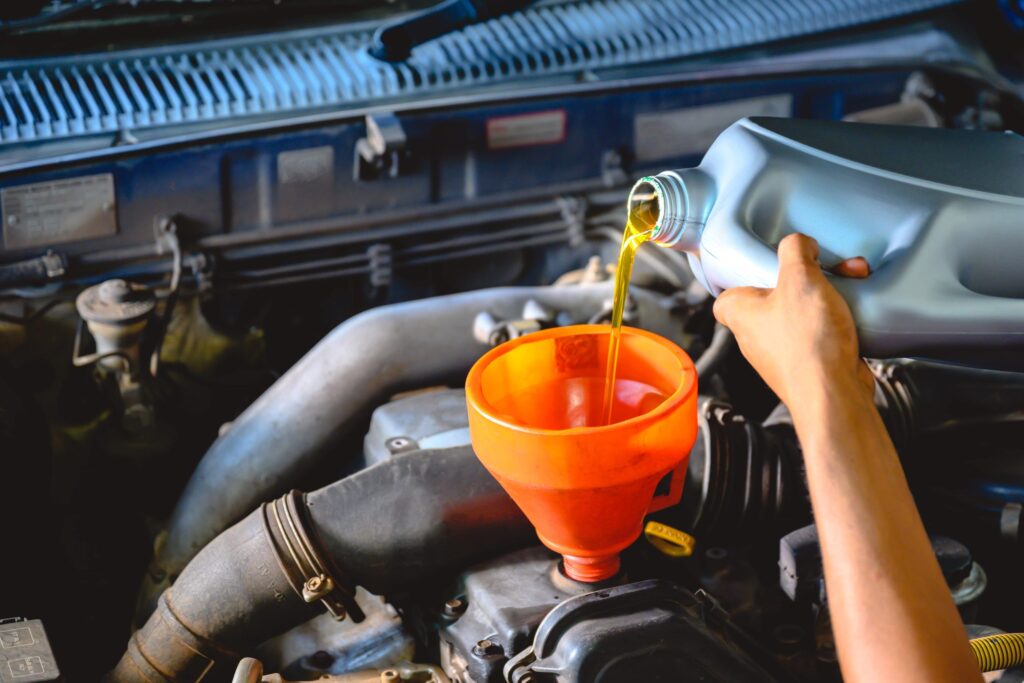
Myth seven: Transmission fluid changes are too complicated for DIY. Not true for basic drain-and-fill. With a wrench, drain pan, and funnel, you can handle it in an hour. Warm the engine first for better drain, but not hot to avoid burns. Measure what comes out, refill the same amount plus a bit, then check level after driving. I learned from YouTube and manuals that overfilling causes foaming, underfilling leads to slips. If your car has no dipstick like some newer models, shop it out for precise measurement. Risks are low if you follow steps, but if unsure, pay 20,000 to 40,000 naira at a trusted workshop.
Myth eight: Manual transmissions do not need fluid changes. Manuals use thicker gear oil, but it still degrades from shear and contamination. Ford and Volkswagen guides say change every 100,000 kilometers, but in Nigeria, do it every 60,000 to 80,000. Symptoms like hard shifting in cold mornings signal old oil. Drain from the bottom plug, refill from the side until it overflows.
Busting these myths comes down to regular maintenance tailored to our roads. A healthy transmission shifts smooth, saves fuel, and avoids 500,000 naira rebuilds. Start by checking your fluid this weekend, dark or low means action time. Use the right spec, change on schedule, and your car thanks you with reliable drives.