
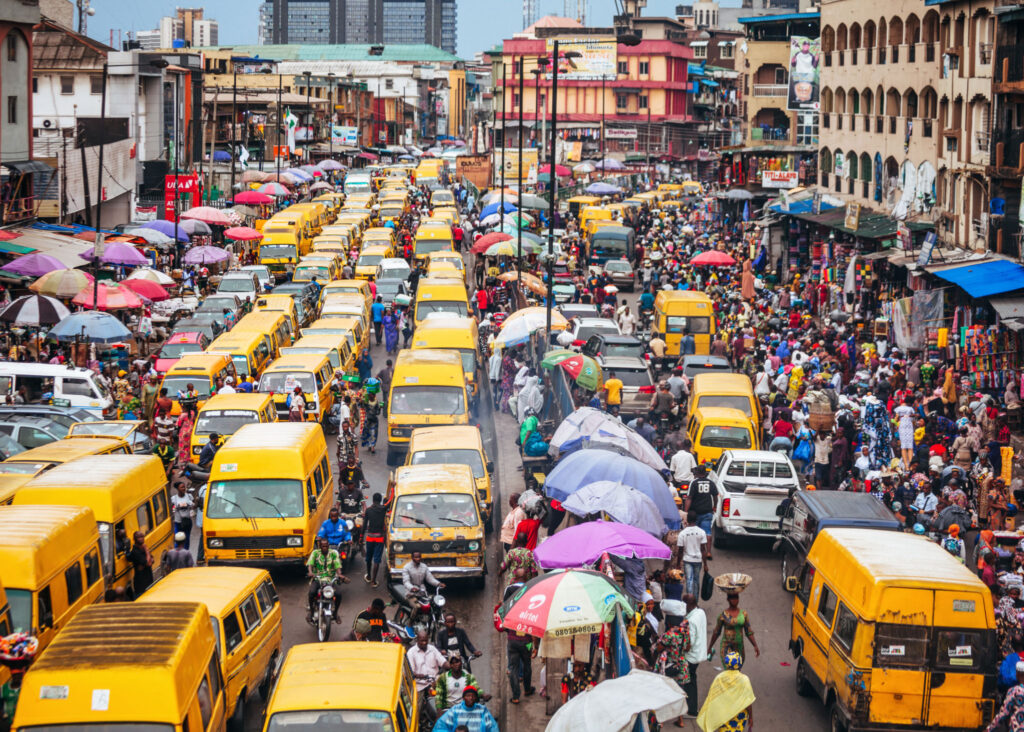
Lagos, Nigeria, West Africa
Nigerian traffic is legendary for its intensity. Whether you are weaving through the chaos of Lagos Island, dodging potholes on Abuja’s outskirts, or sharing the road with trucks in Port Harcourt, getting from A to B requires skill, patience, and a bit of strategy. The roads are a mix of organized highways and unpredictable side streets, with danfos, okadas, and pedestrians adding to the mix. The good news is that with the right approach, you can make your drives safer, faster, and less frustrating. These tips come from what works for drivers who deal with this every day simple habits that help you anticipate problems and stay in control.
Plan Your Route and Timing Wisely
The first trick is knowing when and where to go. Rush hours in cities like Lagos (6–9 AM and 4–8 PM) turn roads into parking lots, so leave earlier or later if you can. Use apps like Google Maps or Waze for real-time updates they show traffic jams, accidents, or police checkpoints ahead. Pick main roads over shortcuts unless you know them well side streets might save time but often have more potholes, flooding, or security risks. For long trips, avoid starting after dark; night driving means poor visibility and higher chances of breakdowns or hold-ups. If you must travel at night, stick to well-lit highways and keep your tank full fuel scarcity can strike unexpectedly.
Master Defensive Driving Basics
Assume everyone else on the road might make a mistake. Keep a safe distance at least three seconds behind the vehicle in front, more in rain or with heavy loads. This gives you room to brake or swerve when a danfo stops suddenly or an okada cuts in. Scan ahead 10–15 seconds, looking for brake lights, turning vehicles, or pedestrians. Mirrors are your best friend check them every 5–10 seconds to spot tailgaters or overtakers. Signal early for turns or lane changes, but do not rely on others doing the same. When changing lanes, glance over your shoulder for blind spots okadas love those gaps.
Handle Common Road Hazards Smartly
Potholes are everywhere, so slow down when you spot them. Swerve only if the lane is clear sudden moves cause sideswipes. In rain, water hides deep holes, so reduce speed and avoid standing water that can cause hydroplaning. For animals like goats or cows on rural roads, honk early and slow down they move unpredictably. At checkpoints, approach slowly with interior lights on at night, hands visible, and documents ready. This keeps interactions smooth and safe
Deal with Aggressive Drivers Calmly
Road rage is common someone cuts you off, or a truck bullies its way through. Stay calm and let them go. Do not engage with honks or gestures; it escalates things. If tailgated, change lanes safely or pull over if needed. For okadas, give them space they slip through tiny gaps but can clip mirrors if you close in. Buses and trucks have huge blind spots, so avoid lingering beside them pass quickly or stay back.
Maintain Your Vehicle for Reliability
A well-kept car handles traffic better. Check tire pressure weekly low tires overheat and blow out faster on hot asphalt. Keep fluids topped: oil, coolant, brake fluid. Test brakes, lights, and horn before trips. Carry essentials: spare tire (inflated), jack, lug wrench, jumper cables, warning triangle, flashlight, and first-aid kit. A charged phone with emergency numbers (FRSC 122, police 112) is crucial. Fuel up often scarcity hits without warning.
Stay Alert and Healthy While Driving
Fatigue sneaks up in traffic jams. Stop every two hours for a stretch, water, or snack. Avoid heavy meals before driving they make you drowsy. Phones are distractions; use hands-free for calls, but no texting. Music helps focus, but keep volume low to hear horns or sirens.Navigating Nigerian traffic is not about being the fastest it is about being the smartest. These tricks help you avoid common pitfalls and arrive safely. Practice them, share with others, and the roads get a little better for everyone.