
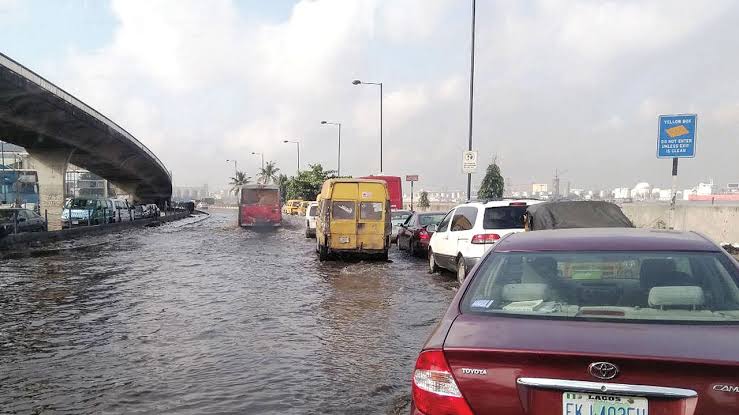
Nigerian weather throws everything at your car. From the dusty harmattan winds that blanket everything in fine sand to the heavy rains that flood streets and the relentless heat that bakes metal and rubber, your vehicle takes a beating year-round. Cars here do not last as long as in milder climates without extra care. The key is understanding how each season affects specific parts and adjusting your maintenance routine accordingly. Let us look at the main weather challenges and how to handle them so your Corolla, Camry, or any ride stays reliable longer.
Harmattan Dust: The Silent Engine Killer
Harmattan hits from November to February, bringing Sahara dust that gets into every nook. This fine powder clogs air filters fast, starving the engine of clean air and causing rough idling or reduced power. A dirty filter makes the engine work harder, burning more fuel and wearing out parts quicker. Check and replace your air filter every 5,000 kilometers during this season, not the usual 10,000. The dust also settles on radiators, blocking airflow and leading to overheating. Clean the radiator fins monthly with low-pressure water—cover electrical parts first to avoid shorts. Batteries suffer too; dust corrodes terminals, weakening connections. Wipe them clean with baking soda and water every two weeks, then apply petroleum jelly to protect. Harmattan’s dry air cracks rubber hoses and belts, so inspect for splits and replace before they snap mid-drive.
Rainy Season Floods: Rust and Electrical Nightmares
From April to October, heavy rains turn roads into rivers, and flooding is a big threat. Water gets into the engine bay, shorting electrical components like the alternator or starter. If you drive through deep water, it can enter the intake and hydrolock the engine—water does not compress like air, bending rods or cracking blocks. Avoid water deeper than your wheel hubs; if you must cross, go slow to create a bow wave that pushes water away. After, check for water in the oil (milky color means trouble) and dry electrical connections. Rain accelerates rust on underbody parts like exhausts and brake lines. Wash the undercarriage weekly with a hose to remove salt and mud, then apply rust inhibitor spray on vulnerable spots. Wet brakes lose grip, so test them gently after puddles. Flooded interiors breed mold; dry carpets immediately and use silica gel packs to absorb moisture.
Constant Heat: Battery and Fluid Evaporation
Nigeria’s year-round heat, often above 35°C, evaporates fluids faster than in cooler places. Low coolant leads to overheating, warping heads or blowing gaskets. Check levels weekly and top up with a 50/50 antifreeze mix—use distilled water to prevent scale buildup. Oil thins out in heat, losing lubrication—switch to synthetic oil for better resistance, changing every 5,000 kilometers. Batteries boil dry quicker here, lasting only 2–3 years instead of 5. Clean terminals monthly and test voltage (12.6V off, 13.7–14.7V running). Heat cracks belts and hoses; inspect for bulges or softness every month, replacing before they burst. Tires overheat too—keep pressure at the door sticker spec (check cold) to avoid blowouts on hot asphalt.
General Tips to Weather-Proof Your Car
Beyond seasons, a few habits help overall. Park in shade to reduce heat stress on interiors and batteries. Use car covers during harmattan to block dust. Wax the body quarterly for a barrier against rain and UV fade. Rotate tires every 10,000 kilometers for even wear from potholes. Drive gently—hard acceleration stresses hot engines. Carry an emergency kit: coolant, oil, water, tools, and a phone charger. Regular services (every 5,000–10,000 km) catch weather-related wear early.Weather in Nigeria is tough on cars, but staying ahead with these checks keeps breakdowns rare. Your engine, tires, and electricals will thank you with longer life and fewer surprises. Start with a quick inspection this weekend—small efforts add up to big savings.