
A car alarm going off in the middle of the night or a key fob that suddenly stops working can turn a quiet evening into a headache. Most modern cars sold in Nigeria come with some form of anti-theft protection built in, but many drivers never learn how to use it properly. The result is either leaving the system off because it seems complicated or not realizing when it is actually doing its job. These systems are not magic, but when you understand how they work, they become one of the best ways to protect your vehicle from theft. Let us walk through the common types you will find in cars like Toyota Corolla, Honda Civic, Hyundai Tucson, and others, explained simply so you can use them confidently.
The Immobilizer: The Silent Lock on Your Engine
Every car made after around 2005 has an immobilizer. It is the most basic and effective anti-theft feature. The system uses a small chip (transponder) inside your key or fob. When you insert the key or press the start button, the car sends a radio signal to the chip. If the chip sends back the correct code, the engine computer allows the fuel pump and ignition to work. If the code is wrong or missing, the engine will crank but never start.To use it: always use the original key or a properly coded spare. If you lose a key, do not buy a cheap duplicate from a roadside vendor the chip will not match, and the car will not start. Go to a dealer or authorized locksmith who can program a new fob to your car’s computer. Some cars show a blinking security light on the dash when the immobilizer is armed. If that light does not blink after you lock the car, the system may not be active check the battery in the fob or the fuse in the fuse box.
Central Locking and Factory Alarm
Central locking lets you lock and unlock all doors with one press of the fob button. Most cars also include a factory alarm that triggers if someone tries to force a door, open the hood, or tamper with the ignition. When you press the lock button, you should hear a beep from the horn or see the hazard lights flash once or twice. That means the alarm is set.To use it properly: lock the car with the fob, not by manually turning the key in the door some alarms only arm when locked with the fob. Test it occasionally: lock the car, wait a minute, then open a door with the physical key. The horn should sound and lights flash. If it does not, the fob battery may be low (replace it every 1–2 years), or the alarm fuse may be blown. Keep the fob away from other electronics that can interfere with the signal.
Keyless Entry and Push-Button Start Systems
Newer cars use proximity fobs you unlock by touching the handle and start by pressing a button while the fob is in your pocket. These are convenient but have a known vulnerability called relay attack, where thieves use devices to extend the fob’s signal from inside your house to the car outside.To protect against it: keep the fob in a signal-blocking pouch (Faraday pouch, ₦2,000–₦5,000) when not driving. Many cars let you disable keyless entry temporarily through the settings menu check your manual. Always confirm the car is locked by pulling the handle after walking away. If the fob battery is low, the system may not detect it properly, so replace it before it dies completely.
Extra Anti-Theft Features and Habits
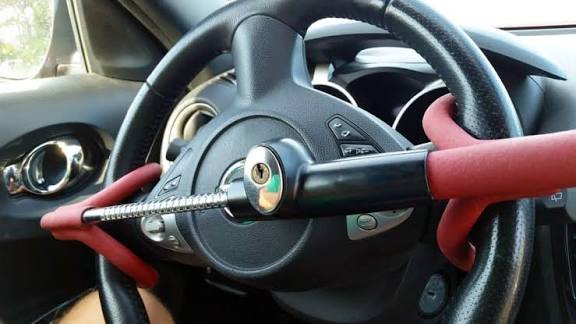
Many cars have steering wheel locks that engage automatically when you remove the key. Do not disable them. Aftermarket steering wheel locks (the Club style) add visible deterrence. Install a hidden kill switch that cuts fuel or ignition simple wiring that only you know about. GPS trackers (₦15,000–₦40,000) alert your phone if the car moves and let you track it. Park in well-lit, secure areas with CCTV or guards when possible. Never leave the fob inside the car, even for a quick stop.
Common Mistakes to Avoid
Using a spare fob with a dead battery always test spares. Leaving the car running unattended (even for a minute) invites theft. Ignoring a weak fob battery until it fails completely. Relying only on factory systems add visible deterrents like wheel clamps for extra security in high-risk areas.Using your car’s anti-theft features correctly takes seconds but can save you from losing your vehicle. Lock with the fob, keep the battery fresh, and add simple deterrents. These small steps make your car far less appealing to thieves and give you peace of mind every time you park.