
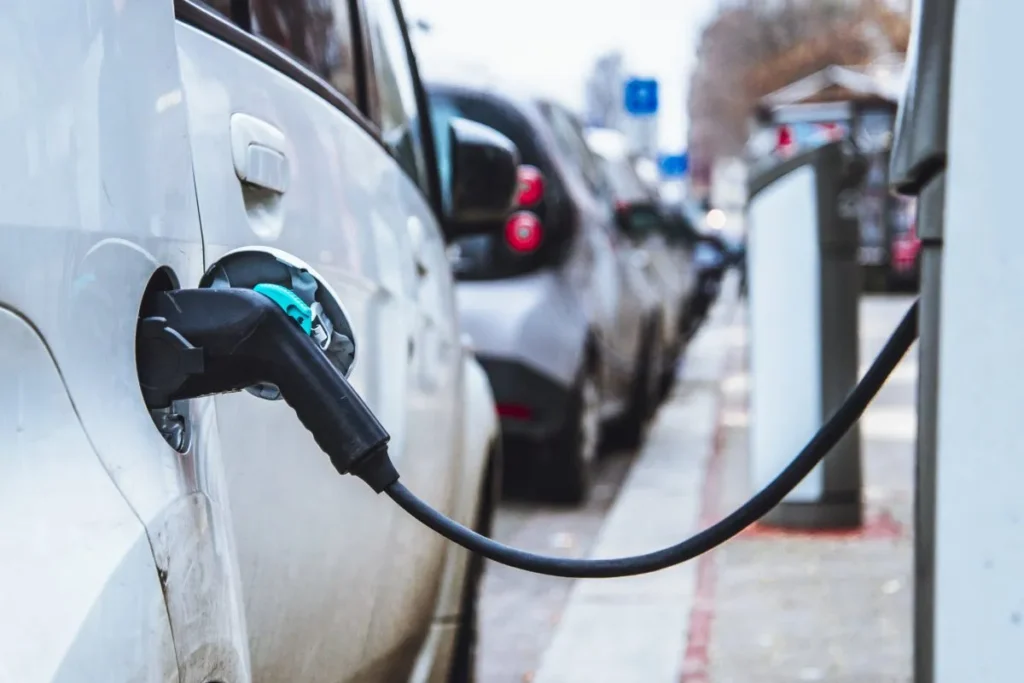
Electric vehicles are starting to appear on Nigerian roads, and the conversation around them often focuses on cost, charging, or range. But one of the strongest reasons to consider an EV especially in a country like ours is the environmental impact. Nigeria faces serious air quality issues in cities, heavy dependence on petrol and diesel, and growing pressure from climate change. EVs offer a practical way to cut some of that damage. The benefits are not theoretical; they show up in real numbers when you look at how our transport sector works today.The biggest immediate gain is cleaner air in urban areas. Petrol and diesel engines release carbon monoxide, nitrogen oxides, particulate matter (PM2.5 and PM10), and volatile organic compounds. These pollutants are linked to respiratory diseases, asthma, heart problems, and premature deaths. Lagos, Kano, Port Harcourt, and Abuja already have air quality that frequently exceeds WHO guidelines, largely because of vehicle exhaust, generator fumes, and industrial activity. An EV produces zero tailpipe emissions. Every time a petrol car is replaced by an EV for city driving, you remove those pollutants directly from street level, where people breathe them in. Studies in other developing cities with similar traffic patterns show that even a 10–20% shift to electric vehicles can cut urban PM2.5 levels by noticeable amounts within a few years.Greenhouse gas emissions drop too, though the picture is more nuanced here. Nigeria’s electricity grid is still mostly gas-fired thermal plants, with some hydro and a growing but small amount of solar. The grid’s carbon intensity is lower than coal-heavy countries but higher than hydro-dominant ones. Even so, an EV charged on the current Nigerian grid typically emits 40–60% less CO2 per kilometer than a comparable petrol car. That gap widens as the grid adds more renewables—solar mini-grids and large solar farms are coming online steadily. By 2030, when many of today’s EVs will still be on the road, the grid will be cleaner, making the lifetime emissions advantage even stronger. For drivers who charge at home with rooftop solar or from off-grid solar stations, the emissions are close to zero.Noise pollution is another benefit people feel right away. Petrol and diesel engines, especially older commercial buses and okadas, create constant background roar in cities. EVs are almost silent at low speeds. In dense areas like Surulere, Ikeja, or Wuse, replacing a few thousand high-mileage commercial vehicles with electric equivalents would noticeably lower street-level noise. Quieter streets mean less stress, better sleep for people living near busy roads, and fewer noise-related health issues.Resource use and waste are improved over the long term. EVs have fewer moving parts no oil changes, no exhaust systems, no catalytic converters so they generate less mechanical waste during their lifetime. The main concern is battery production, which requires mining lithium, cobalt, nickel, and graphite. However, battery recycling is advancing quickly, and the same batteries that power cars can be repurposed for grid storage after their vehicle life ends.
In Nigeria, where waste management is still developing, this closed-loop potential is valuable. Petrol vehicles, by contrast, produce ongoing waste through oil filters, exhaust parts, and fuel combustion byproducts.Energy independence is a practical bonus. Nigeria imports most of its refined petroleum products despite being an oil producer. Refining capacity is limited, and supply disruptions are common.
EVs shift some of that energy demand to electricity, which can be generated locally through gas, hydro, solar, or wind. Every kilometer driven on locally produced electricity reduces dependence on imported fuel. For a country working to stabilize its grid and expand renewables, this is a meaningful shift.Cost savings for the environment translate to cost savings for owners.
EVs are cheaper to run per kilometer electricity is less expensive than petrol, especially when charged at home or from solar. Maintenance is lower because there are no oil changes, spark plugs, or exhaust repairs. Over 5–10 years, the total cost of ownership often beats a comparable petrol car, even with higher upfront prices. That economic benefit encourages more people to switch, which multiplies the environmental gains.Challenges remain charging infrastructure is limited, grid reliability varies, and upfront costs are high for most households. But as more solar-powered stations appear and battery prices continue to fall globally, the equation improves.
For now, EVs make the most sense for urban commuters with home or workplace charging and for commercial operators running fixed routes.The environmental case is strong. EVs cut tailpipe pollution, reduce greenhouse gases over their lifetime, lower noise, decrease waste from mechanical parts, and support energy independence.
In Nigerian cities where air quality affects health every day, even a modest shift toward electric vehicles would bring measurable relief. As the grid gets cleaner and more charging options appear, the benefits will only grow.If you are thinking about your next car, factor in the environmental side. It is not just about today’s fuel bill it is about cleaner air for your family and everyone sharing the same roads.