
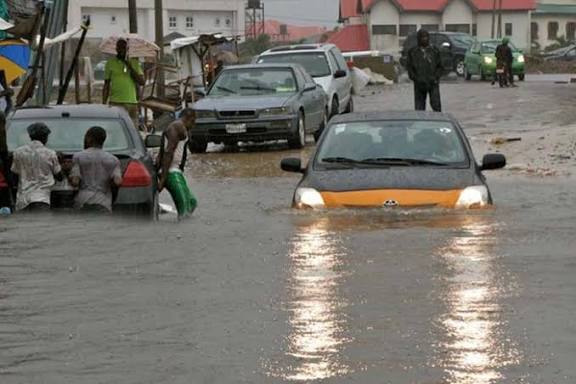
Driving on flooded roads in Nigeria is one of the most dangerous things you can do during rainy season yet thousands of people attempt it every year because they need to get home or reach work. Floodwater hides potholes turns roads into rivers and creates currents strong enough to sweep a car away. The statistics are sobering hundreds of vehicles are lost or damaged annually and many drivers and passengers drown or suffer serious injuries simply because they underestimated the water. The good news is that most of these incidents are preventable if you know what to look for and how to behave when water covers the road.The first rule is simple never drive into water unless you are absolutely sure how deep it is and what is underneath. What looks like a shallow puddle can be a deep hole or a washedout culvert that drops the front end of your car into a trench. Stop well before the water starts and observe other vehicles. If larger trucks or suvs are turning around or getting stuck that is a clear signal to do the same. If smaller cars are going through watch their speed and how much water they push. A bow wave higher than the bumper usually means the water is deep enough to enter the engine bay. Never follow another car blindly into floodwater because if they stall or get stuck you could end up in the same position right behind them.If you decide the water is shallow enough to cross go very slowly in first gear or low range if you have an automatic keep steady throttle so the engine pushes water away from the intake and exhaust.
Do not stop in the middle the momentum helps keep water out of the exhaust pipe. If the water reaches the bottom of the doors or higher turn around immediately because it will almost certainly enter the cabin electronics or engine. Once through the water keep driving slowly for a short distance to clear water from the brakes and let the engine dry out. Never rev the engine hard while water is still dripping from the exhaust that can cause hydrolock which bends rods or cracks the block.
Never try to drive through fast moving water even if it looks shallow. Water only sixty centimeters deep can push a car sideways at walking speed and one meter deep can sweep a vehicle away completely. If you are already in moving water do not try to fight it point the wheels downstream and let the current carry you to the edge where the water is shallower. Stay calm open windows slightly to equalize pressure and be ready to climb out if the car starts to float or sink.Before rainy season arrives prepare your car so it handles water better. Check tire tread depth anything below three millimeters loses grip quickly in wet conditions. Test brakes for sponginess or pulling which can mean fluid contamination or worn pads. Inspect wiper blades and replace them if they streak or chatter good visibility is critical when rain pours.
Keep a small towel or cloth in the car to wipe the inside of the windshield if it fogs up. Carry a phone charger power bank and emergency numbers frsc 122 police 112 and a trusted mechanic saved. If you have a higher clearance suv or crossover use it for trips during heavy rain but even then do not take unnecessary risks.If you must drive in heavy rain slow down dramatically increase following distance to at least five seconds and turn on low beam headlights so others see you. Avoid sudden steering or braking which can cause skids or hydroplaning. If you feel the car floating or steering becoming light ease off the accelerator do not brake hard and steer gently in the direction you want to go until grip returns. Turn off cruise control if your car has it and avoid using high beams they reflect off water and blind you.Flooded roads claim lives and destroy vehicles every year but most incidents happen because drivers take unnecessary chances.
Respect water treat it as a potential trap and always choose a detour if possible. When you cannot avoid it go slow assess carefully and never underestimate the force of even shallow moving water. Drive defensively keep your car in good condition and know when to turn around. Those simple habits keep you and your family safer when the rains come.