
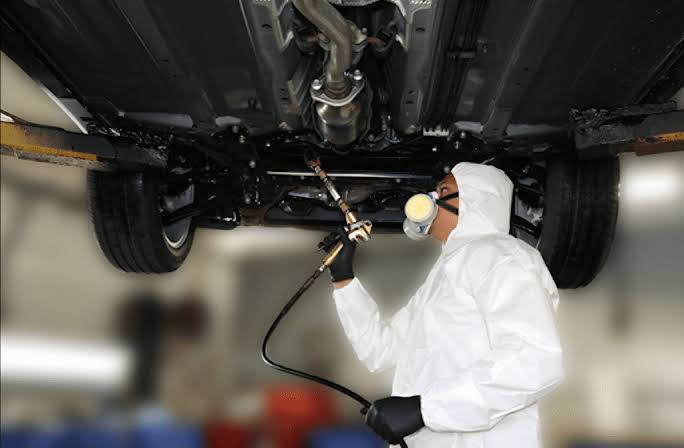
Nigeria’s roads, heavy rain, coastal salt air, and constant exposure to mud create a perfect environment for undercarriage rust. Once rust starts on the chassis, suspension components, exhaust system, and floor pans, it spreads quickly and can weaken the structural integrity of your car. The good news is that with consistent DIY efforts, you can significantly slow down or even prevent rust damage without spending a fortune at workshops.
The undercarriage suffers the most because it is constantly bombarded by water, mud, sand, and road salt (especially in coastal cities like Lagos, Port Harcourt, and Calabar). Potholes splash corrosive mixtures onto the metal surfaces, while trapped moisture from rainy season flooding accelerates oxidation. Left unchecked, rust eats through metal, damages brake lines, fuel lines, and suspension parts, leading to expensive repairs.
The foundation of effective rust prevention is regular cleaning. Mud and dirt trap moisture against the metal, so removing them is the most important step. Park your car on a ramp or jack it up safely on level ground. Use a pressure washer or hose with good water pressure to thoroughly clean the undercarriage, paying special attention to wheel arches, seams, and areas around the exhaust and suspension. Do this at least every two to three months, and immediately after driving through flooded roads or heavy mud.After cleaning and allowing the undercarriage to dry completely, apply a rust converter on any existing surface rust. Products like Rust-Oleum Rust Reformer or locally available converters turn rust into a stable compound that stops further corrosion. Apply it with a spray or brush, following the product instructions.
This step is crucial before adding any protective coating.For long-term protection, undercoating is highly recommended. There are two popular DIY options: rubberized undercoating and wax-based products. Rubberized undercoating (available in aerosol cans) creates a thick, flexible barrier that absorbs road impacts and prevents moisture from reaching the metal. Wax-based undercoatings, such as those from 3M or Lanoguard, penetrate better into seams and offer excellent corrosion resistance while remaining easier to reapply. Many mechanics in Nigeria prefer wax-based options for humid climates because they do not crack as easily as rubberized coatings.Apply undercoating in thin, even layers.
Focus on high-risk areas: the chassis rails, floor pans, inside wheel wells, and around suspension mounting points. Avoid spraying directly on exhaust components or brake parts, as heat and friction can cause issues. Most DIY undercoating jobs take 2 to 4 hours and should be repeated once every 12 to 18 months for best results.Additional protection comes from using mud flaps and splash guards. These simple accessories redirect mud and water away from the undercarriage. Also, consider applying anti-corrosion sprays like WD-40 Specialist or CRC Corrosion Inhibitor on exposed metal parts every few months. These products leave a protective film that repels water and salt.
For those living in very salty coastal areas, a more thorough approach involves applying cavity wax inside doors, sills, and box sections using a injection wand. This prevents hidden rust that starts from the inside and works outward.Pay attention to drainage. Clear blocked drain holes in doors and under the car regularly so water does not sit in enclosed areas. After driving through floodwater, wash the undercarriage as soon as possible and dry it thoroughly to prevent trapped moisture from causing immediate damage.Consistent maintenance is more effective than one-time expensive treatments.
Create a simple routine: clean every three months, inspect for new rust spots, and reapply protective coating as needed. Drivers who follow this approach report their cars lasting much longer with fewer underbody issues, even on tough Nigerian roads.Taking care of your car’s undercarriage is one of the smartest investments you can make. It preserves structural safety, improves resale value, and prevents sudden expensive failures. With the right DIY habits, you can protect your vehicle effectively against salt, mud, and pothole damage year after year.