
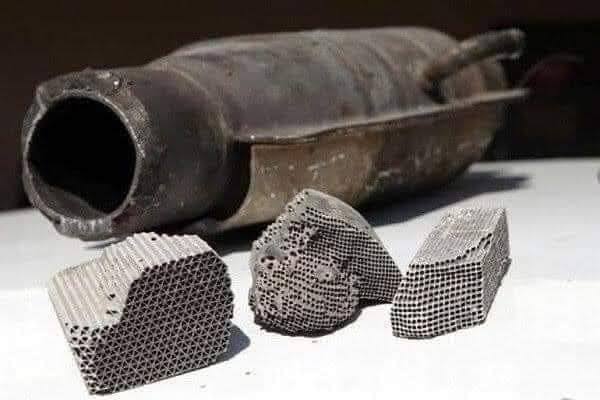
Nigerian fuel has earned a reputation for being particularly harsh on modern vehicles, especially on the catalytic converter, one of the most expensive and important emissions control components in your car. Many drivers only realize something is wrong when the check engine light comes on, fuel consumption increases dramatically, or the car fails emission tests. Understanding why this happens and what you can do to protect your catalytic converter can save you from costly repairs that often run into hundreds of thousands of naira.A catalytic converter is designed to reduce harmful emissions by converting toxic gases like carbon monoxide, hydrocarbons, and nitrogen oxides into less harmful substances such as carbon dioxide, nitrogen, and water. It contains precious metals like platinum, palladium, and rhodium that act as catalysts. These metals are extremely sensitive to contamination. When bad fuel passes through the engine and reaches the converter, it can quickly destroy its effectiveness.The main culprit is the poor quality and frequent adulteration of fuel sold in Nigeria. Many filling stations mix petrol with cheaper substances like kerosene, methanol, or even automotive gas oil to increase profit margins. This adulterated fuel burns incompletely, producing higher levels of sulfur, lead residues, and other contaminants. High sulfur content is particularly damaging because it forms sulfuric acid inside the converter, which coats and deactivates the precious metals. Over time, the converter becomes clogged or “poisoned,” restricting exhaust flow and causing the engine to lose power.Another serious issue is the inconsistent octane rating. Many pumps sell fuel that falls below the advertised 91 or 95 octane levels. Lower octane fuel causes knocking and incomplete combustion, sending unburned fuel particles into the exhaust system. These particles overheat the catalytic converter, leading to thermal damage and eventual failure. In heavy traffic conditions common in Lagos, Abuja, and Port Harcourt, where engines idle for long periods, the problem becomes even worse as heat builds up without proper exhaust flow.
Signs that your catalytic converter is failing due to bad fuel include reduced engine performance, a rotten egg smell from the exhaust, poor fuel economy, and the check engine light. In severe cases, the car may enter limp mode, limiting speed and power to protect the engine.Fortunately, there are practical steps you can take to extend the life of your catalytic converter even with Nigerian fuel realities.First, be very selective about where you buy fuel. Stick to reputable major oil companies and well-known stations that have consistent supply chains. Avoid buying fuel from roadside vendors or stations during periods of scarcity when adulteration is more common. Many experienced drivers keep records of which stations consistently give better performance.
Using quality fuel additives regularly can help. Look for additives that contain detergents and octane boosters specifically formulated to clean injectors and combustion chambers. These products help burn fuel more completely and reduce harmful deposits reaching the converter. Adding them every 3,000 to 5,000 kilometres can make a noticeable difference.Regular servicing is equally important. Ensure your mechanic checks oxygen sensors, spark plugs, and air filters during every service. Faulty sensors or dirty filters cause the engine to run rich, sending more contaminants into the exhaust. Keeping the engine properly tuned reduces the burden on the catalytic converter significantly.
Driving habits also matter. Avoid short trips where the engine doesn’t reach full operating temperature, as this prevents the catalytic converter from working efficiently. On longer journeys, occasional highway driving at higher speeds helps burn off some carbon deposits naturally. However, do not over-rev the engine trying to “clean” the converter, as this can cause more harm.
For those who can afford it, installing a high-quality fuel filter with better filtration capacity provides extra protection. Some drivers also use premium fuel occasionally to help clean the system, though this is more of a temporary measure.If your catalytic converter eventually fails, avoid using cheap aftermarket replacements that may not meet emission standards. Original or good-quality direct-fit converters last much longer, even with our challenging fuel conditions.
Taking care of your catalytic converter is not just about avoiding expensive repairs. It also helps your car run more efficiently, reduces harmful emissions, and keeps you compliant with FRSC and environmental regulations. By being more intentional about fuel sources, maintenance, and driving habits, you can significantly slow down the damage caused by Nigerian fuel and enjoy better performance from your vehicle for much longer.