
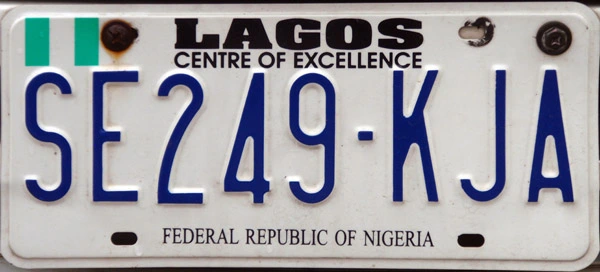
Understanding the different types of number plates issued by the Federal Road Safety Corps (FRSC) is essential for every vehicle owner in Nigeria. Your number plate is not just a registration identifier it tells other road users, police, and FRSC officers important information about the vehicle’s purpose, ownership category, and legal status. Using the wrong plate type or misusing one can lead to fines, vehicle impoundment, or legal trouble. Here is a clear breakdown of the main categories currently in use in 2026.
These are the most common plates seen on ordinary cars, SUVs, and personal vehicles across Nigeria. Private plates are typically white with black lettering or sometimes black with white lettering, depending on the state and the specific issuance period. They are issued to individuals for personal or family use. The format usually starts with letters representing the state of registration followed by numbers and ending with another set of letters. For example, a Lagos private plate might read ABC-123-DE. Private vehicles with these plates are restricted from commercial activities such as carrying passengers for fare or using the vehicle for business purposes. If caught using a private plate for commercial activities, owners face heavy fines and possible prosecution.
Commercial Number Plates
Commercial plates are designed for vehicles used for profit-making activities such as taxis, buses, trucks, ride-hailing cars, and delivery vehicles. These plates are usually red letters on a white background, making them easily distinguishable from private ones. The format often includes specific codes that indicate the vehicle is approved for commercial operation. In many states, you must obtain a hackney permit and roadworthiness certificate before a commercial plate can be issued. Using a commercial plate comes with stricter rules, including higher insurance requirements and regular vehicle inspections. Many drivers prefer commercial plates for Uber, Bolt, or taxi businesses because they are legally required for such operations. However, private vehicle owners are not allowed to use commercial plates, as this is considered an offence.
Government Number Plates
Government plates are issued to official vehicles belonging to federal, state, and local government agencies. They are typically green letters on a white background. These plates often carry special codes that indicate the particular ministry, department, or agency the vehicle belongs to. Government plates enjoy certain privileges, such as exemption from some routine checks, but they are strictly monitored to prevent abuse. Only authorized government officials and vehicles used for official duties are allowed to have these plates. Misuse of government plates by private individuals is a serious offence that can lead to prosecution under the FRSC Act.
Diplomatic Number Plate
sDiplomatic plates are issued to vehicles belonging to foreign embassies, international organizations, diplomats, and their families. These plates are very distinctive and usually feature white letters on a red or green background with special codes such as “CD” (Corps Diplomatique), “CMD” (Consular), or “CC” (Consular Corps). Diplomatic vehicles enjoy immunity from certain local laws and taxation, but they are still required to obey basic traffic rules for safety. These plates are issued through the Ministry of Foreign Affairs in collaboration with FRSC. Only accredited diplomats and embassy staff can legally use them. Fake diplomatic plates are sometimes used by fraudsters, and FRSC actively cracks down on such illegal activities.
Each plate type serves a specific legal purpose and comes with its own set of privileges and restrictions. When buying a vehicle, make sure the plate matches the intended use of the car. Changing from private to commercial or vice versa requires proper documentation and approval from FRSC and your state licensing office. Attempting to use the wrong plate type to enjoy certain benefits is considered an offence and can attract heavy penalties, including fines up to ₦100,000 or more depending on the violation.Staying compliant with the correct number plate type protects you from unnecessary trouble with law enforcement and helps maintain order on Nigerian roads. Always ensure your vehicle registration is up to date and matches your actual usage pattern.
When registering a new vehicle or changing plate categories, visit an authorized FRSC licensing office with all necessary documents including proof of ownership, customs papers (for tokunbo vehicles), and insurance. Proper registration not only keeps you legal but also makes it easier to sell your vehicle later because buyers prefer cars with clean and correct documentation.
Understanding these plate categories helps every driver make informed decisions and stay on the right side of the law while navigating daily life on Nigerian roads