
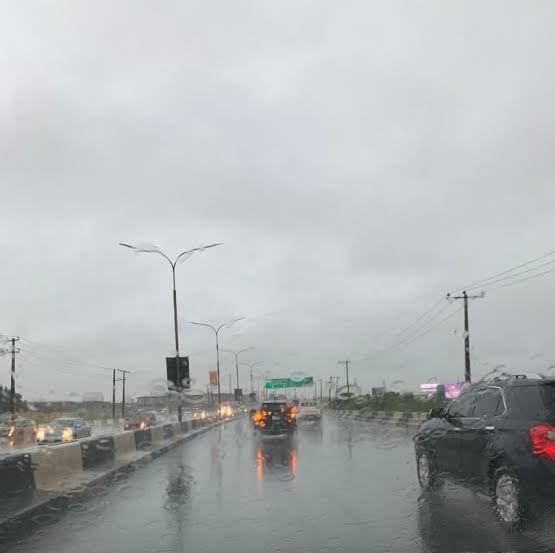
Heavy rainfall transforms Nigerian roads into slippery hazards, especially in cities like Lagos, Port Harcourt, and Abuja where poor drainage and potholes are common. One of the most dangerous situations drivers face during the rainy season is aquaplaning, also known as hydroplaning. This occurs when a layer of water builds up between your tyres and the road surface, causing your tyres to lose contact and making the vehicle feel like it is floating. Understanding what causes it and how to respond can prevent panic and serious accidents.
Aquaplaning happens when water cannot escape quickly enough from under the tyres. At speeds above 50–60 km/h on wet roads, the risk increases significantly. In Nigeria, the combination of worn tyres, standing water in potholes, and oil mixed with rainwater creates particularly treacherous conditions. Many drivers experience it suddenly on expressways after a downpour, when the car suddenly loses steering control and braking power.The best defence is prevention. The most critical factor is tyre condition. Tyres with good tread depth (at least 3mm) can channel water away more effectively. Before the rainy season begins, inspect your tyres thoroughly and replace them if the tread is low. Many mechanics recommend switching to tyres with deeper grooves and rain-specific patterns during the wet months. Keep your tyre pressure correct because under-inflated tyres are more prone to aquaplaning.Drive at moderate speeds when it is raining. Reducing speed by even 10–20 km/h gives your tyres more time to push water aside. Avoid sudden acceleration, braking, or steering movements. Smooth, gentle inputs help maintain control. In heavy rain, use your headlights on low beam and activate hazard lights only if you need to slow down significantly.
If aquaplaning does occur, the most important thing is to stay calm and avoid slamming on the brakes. Braking hard when your tyres have lost contact will only make the situation worse. Instead, ease your foot off the accelerator gradually. This allows the tyres to regain grip as the car slows down naturally. Keep the steering wheel straight and avoid turning sharply. Once you feel the tyres gripping the road again, you can gently steer and brake as needed.For vehicles with manual transmission, resist the urge to downshift suddenly. In automatic cars, do not shift to a lower gear abruptly. The goal is to reduce speed smoothly without locking the wheels.Many Nigerian drivers have successfully recovered from aquaplaning by lifting off the accelerator and maintaining a straight path until control returns. Trying to fight the car with sudden movements often leads to spinning or leaving the road.
After regaining control, pull over safely when possible and check your tyres and brakes. Water can affect brake performance temporarily, so test them gently at low speed. If you notice any unusual vibrations or pulling, have your vehicle inspected before continuing your journey.Vehicle preparation plays a big role in staying safe. Ensure your windscreen wipers are in good condition and replace them before the season starts. A clean windscreen improves visibility during heavy rain. Consider applying a water-repellent treatment to your windscreen for better water runoff. Also, check that your drainage channels around the bonnet and doors are clear so water does not enter the cabin.For those who drive frequently in flood-prone areas, slightly higher ground clearance vehicles offer some advantage, though no car is immune to aquaplaning. Avoid driving through deep standing water whenever possible. Even if the water looks shallow, hidden potholes or debris underneath can cause serious damage.
After driving through heavy rain or flooded areas, it is wise to test your brakes periodically by gently pressing them at low speed. This helps dry them out and restores normal braking power.By driving more slowly, maintaining good tyres, and knowing how to respond calmly when aquaplaning occurs, you can navigate Nigeria’s rainy season roads much more safely. Many experienced drivers treat heavy rain as a signal to slow down and increase following distance, giving themselves more time to react to sudden hazards.
Rainy season driving demands patience and extra attention, but these habits become second nature with practice. Staying alert, respecting the weather, and preparing your vehicle properly will help you reach your destination safely even when the skies open up