
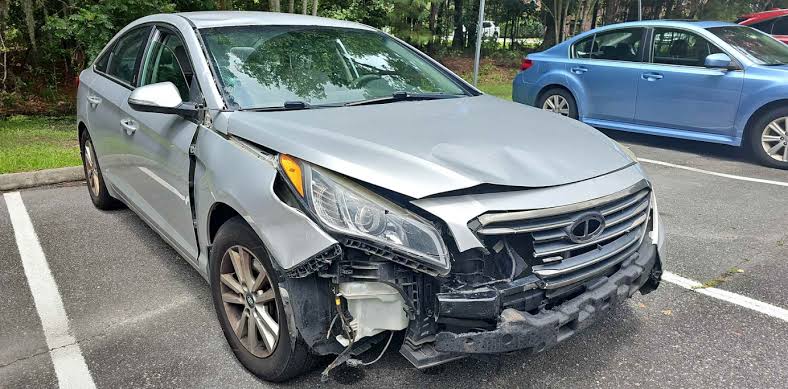
Salvage title cars are vehicles that insurance companies once declared total losses due to accidents, floods, fire, or other major damage. In Nigeria, many such cars are imported, repaired, and sold at significantly lower prices than clean-title equivalents. While they can represent good value for certain buyers, they also carry serious risks that require careful evaluation before purchase. Knowing when a salvage title car makes financial and practical sense can help you decide whether to consider one or walk away.The primary attraction is price. A salvage title Toyota Camry or Honda Accord that would normally sell for ₦12–18 million as a clean title can sometimes be found for ₦7–11 million after proper repairs. This discount allows budget-conscious buyers to acquire higher-spec models or save money for other business needs. For mechanically knowledgeable owners or those with access to trusted workshops, a well-repaired salvage car can provide years of reliable service at a fraction of the normal cost.
However, the risks are substantial. Many salvage cars have compromised structural integrity, especially if the frame or chassis was affected. Even after repairs, they may not handle the same way during emergencies or on rough Nigerian roads. Airbags, seatbelts, and electronic safety systems may not function correctly. Insurance companies are often reluctant to provide comprehensive cover, leaving owners exposed to full financial risk in case of another accident. Resale value also drops sharply once the salvage history is known.
Flood-damaged salvage cars are particularly problematic. Hidden corrosion continues even after superficial cleaning, leading to electrical failures and rust issues that appear months later. Many mechanics in Ladipo and Berger report seeing repeated problems with previously flooded vehicles, especially in wiring, ECUs, and suspension components.Salvage title cars can make sense in specific situations. If the damage was purely cosmetic such as minor front-end collision with no structural issues and the car has been professionally repaired with quality parts, it can be a reasonable buy. Buyers with strong mechanical knowledge or access to honest workshops are better positioned to evaluate and maintain such vehicles. Those planning short-term ownership (2–4 years) may also benefit from the lower purchase price, especially if they intend to use the car intensively for business.
For long-term family use or if you lack mechanical expertise, a clean-title vehicle is almost always the safer choice. The slightly higher upfront cost usually translates to lower long-term expenses, better safety, easier insurance, and stronger resale value.How to Evaluate a Salvage Title CarAlways insist on a comprehensive pre-purchase inspection by an independent mechanic you trust. A proper inspection should include checking the frame for straightness, examining repair quality, testing all electrical systems, and scanning for hidden faults. Request detailed repair receipts and photographs from the previous owner or repair shop. Test drive the car extensively on different road types to feel for unusual noises, pulling, or handling issues.
Check the vehicle history as thoroughly as possible. Look for consistency in mileage and service records. Be wary of cars with major front or rear damage, flood titles, or multiple previous salvage records. If the price seems too good to be true compared to similar clean-title cars, treat it as a warning sign.When salvage cars make sense, buyers who succeed usually negotiate significant discounts to account for future risks and maintenance. They also maintain the vehicle more diligently than normal cars, addressing small issues before they become expensive problems.
The Nigerian market will always have salvage vehicles available because of the demand for affordable options. Some buyers have successfully owned and profited from them, while others have faced costly regrets. The difference usually comes down to knowledge, inspection quality, and realistic expectations.If you are considering a salvage title car, approach the decision with clear eyes. Calculate not just the purchase price but expected repair and insurance costs over your planned ownership period. For many average drivers, the risks outweigh the savings. However, for those with mechanical understanding, access to good workshops, and willingness to accept higher maintenance responsibility, a properly evaluated salvage car can be a smart financial choice in the right circumstances.
Take your time, inspect thoroughly, and never rush into a salvage title purchase based on price alone. The right decision depends on your specific situation, risk tolerance, and ability to maintain the vehicle properly on Nigerian roads