
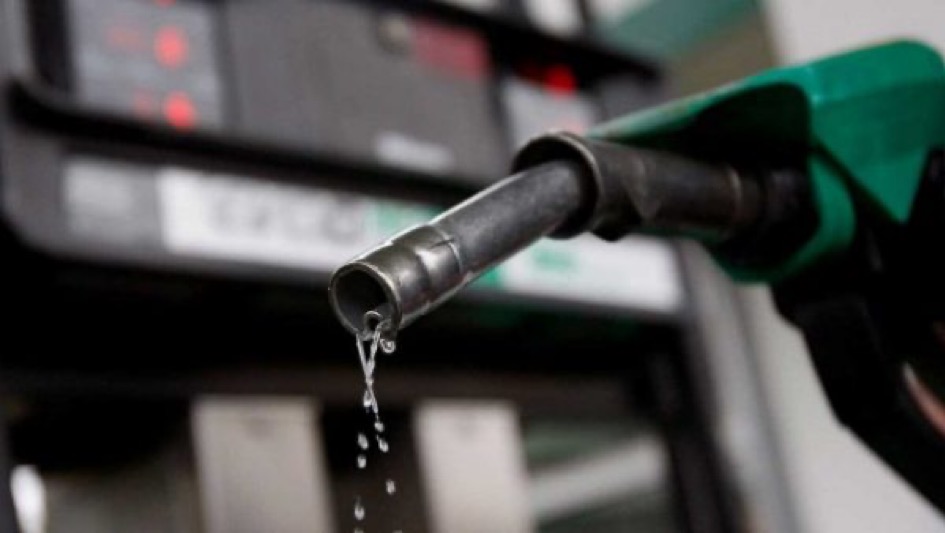
Fuel pump cheating remains one of the most frustrating and costly experiences for drivers across Nigeria. With petrol prices staying high, many filling stations use clever tricks to deliver less fuel than customers pay for. These practices range from subtle meter tampering to outright dilution with cheaper substances. Learning how to spot these scams can save you money, protect your engine, and help you avoid unnecessary stress at the pump.
The most common method is the short pump technique. Some attendants manipulate the nozzle or pump settings so the meter runs faster than the actual fuel flow. You pay for 20 litres but receive only 16 or 17 litres. This is difficult to notice during the rush of filling, but consistent patterns across multiple visits can reveal the issue. Another widespread tactic involves pre-setting the pump to stop at a certain amount while the actual volume delivered is lower. Dilution with kerosene or other cheaper products is also common, especially during periods of scarcity. This not only cheats you on quantity but damages your engine over time.
Start your detection by observing the pump itself before any fuel flows. Look for signs of tampering such as loose seals, unusual stickers, or meters that appear recently altered. Legitimate pumps should have clear calibration stickers from the Weights and Measures Department. Watch the attendant’s actions closely. If they seem to adjust the nozzle or handle strangely, or if they try to distract you during filling, stay alert.
A practical way to check quantity is the “known volume test.” Carry a clean, transparent 5-litre or 10-litre jerrycan marked with accurate measurements. Fill it completely at the station and compare the actual amount received against what the pump meter shows. Repeat this occasionally at different stations. Consistent shortfalls of more than 2-3% are strong evidence of cheating. Many experienced drivers keep records of fuel purchased versus distance covered to spot unusual consumption patterns over time.
Engine performance and exhaust smell can also reveal dilution. Fuel mixed with kerosene often causes rough idling, reduced power, and a distinct smell from the exhaust. Black smoke or knocking sounds after refuelling may indicate adulteration. Keep a mental note of how your car normally runs after filling at trusted stations. Sudden changes in performance are red flags worth investigating.
Choose filling stations carefully. Major oil company stations with consistent branding and visible security cameras tend to have better oversight, though this is not a guarantee. Stations that are always busy with many customers are less likely to risk cheating because unhappy drivers spread the word quickly. Avoid isolated or poorly maintained stations, especially during late hours or periods of fuel scarcity when cheating increases.
If you suspect cheating, stay calm and polite but firm. Ask for a re-fill or a supervisor. Note the station name, pump number, attendant’s description, and exact time. You can report serious cases to the Nigerian Midstream and Downstream Petroleum Regulatory Authority (NMDPRA) or consumer protection agencies. Taking clear photos or videos of the transaction can strengthen your case.
Prevention is more effective than confrontation. Fill up at trusted stations you have tested over time. Use apps and online groups where drivers share experiences about specific stations. Consider installing a fuel consumption tracking app that calculates actual mileage. This helps you notice drops in efficiency that may indicate bad fuel.
For long-term protection, some drivers install fuel flow meters or use locking fuel caps to prevent tampering when the car is parked. Regular maintenance, including fuel filter changes, also helps reduce the damage from occasional bad fuel.Fuel pump cheating costs Nigerian drivers billions of naira yearly, but informed buyers can protect themselves effectively. By staying observant, testing stations regularly, and choosing where and how you buy fuel carefully, you can minimize losses and keep your engine healthy. The few extra minutes spent being vigilant at the pump pay off through better fuel economy and fewer repair bills over time.
Smart fuel buying habits become second nature once you start paying attention. Your car will run better, your wallet will be heavier, and you will avoid the frustration that comes with constantly falling victim to these common scams at Nigerian filling stations.