
Nigerian petrol often contains impurities, water, and lower-quality components that gradually clog fuel injectors and reduce engine performance. Many drivers turn to fuel additives hoping to clean these critical components and restore power and fuel economy. The question is whether these products actually deliver results or simply add to monthly expenses. After years of observing real-world use in workshops across Lagos, Abuja, and other cities, some additives prove more effective than others when used correctly in our local fuel conditions.
Fuel injectors are precision components that spray petrol into the engine in a fine mist. Over time, deposits from adulterated fuel, carbon buildup, and poor combustion create a varnish-like layer that disrupts the spray pattern. This leads to rough idling, hesitation during acceleration, increased fuel consumption, and higher emissions. Good fuel additives contain detergents and solvents designed to dissolve these deposits and prevent new ones from forming.
The most effective additives for Nigerian petrol tend to be those with strong polyether amine (PEA) or polyisobutylene amine (PIBA) formulations. These active ingredients are proven to break down stubborn injector deposits without harming engine components. Popular options available in Nigeria include well-known international brands like Techron (Chevron), STP, Liqui Moly, and some locally formulated products that have gained trust among mechanics. Techron, in particular, is frequently recommended for Toyota and Honda vehicles because it was originally developed to address similar fuel quality issues.
When used properly, these additives do clean injectors. Many mechanics report noticeable improvements in engine smoothness and fuel economy after one or two treatments, especially in cars that have been running on poor-quality fuel for extended periods. The cleaning process usually takes 100–300 kilometres of driving after adding the product to a full tank. Results are more dramatic in cars showing clear symptoms of dirty injectors than in well-maintained vehicles used as preventive maintenance.However, not all additives work equally well. Cheap, unbranded products often contain mostly solvents with little active cleaning power. They may provide temporary lubrication but do little to remove existing deposits. Some even contain alcohol or other substances that can damage seals and sensors over time. Always choose reputable brands available at major filling stations or trusted auto parts shops.
How to Use Fuel Additives Effectively
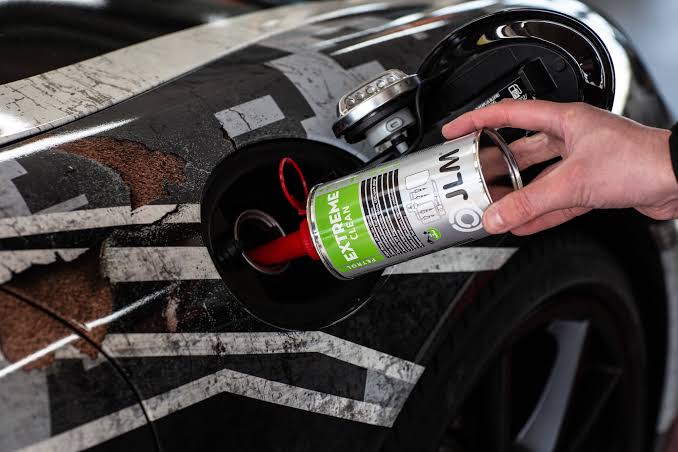
The key to success is following the manufacturer’s instructions precisely. Most products are designed for one bottle per full tank. Use them when the tank is nearly empty so the concentration is highest during the cleaning phase. For severely clogged injectors, two or three consecutive treatments may be needed. After treatment, it is wise to change the fuel filter to remove any loosened deposits that could cause new problems.Fuel additives work best as part of a broader maintenance routine rather than as miracle cures. Combining them with regular air filter changes, spark plug replacement, and throttle body cleaning gives better overall results. In Nigeria’s hot climate and dusty environment, preventive use every 5,000–8,000 kilometres can help maintain injector cleanliness before major problems develop.
Drivers with high-mileage cars or those who frequently buy fuel from questionable stations benefit most from regular additive use. Ride-hailing drivers and commercial vehicle operators often see the biggest improvements in fuel economy and engine smoothness. However, if your car has advanced electronic fuel systems or direct injection, consult your mechanic before using any additive to ensure compatibility.While fuel additives can clean injectors effectively, they cannot fix mechanical failures or severely damaged components. If your car continues to run poorly after proper treatment, the issue may require professional injector cleaning or replacement.
Choosing the right fuel additive and using it consistently is one of the more cost-effective ways to maintain engine performance when dealing with Nigerian petrol quality. The small investment in a quality product often pays for itself through better fuel economy and fewer workshop visits. For most drivers, incorporating a trusted additive into regular maintenance helps keep the engine running cleaner and more efficiently despite the challenges of our local fuel supply.
By understanding how these products work and choosing reputable options, you can protect your engine and enjoy smoother performance even when filling up at different stations across the country.