
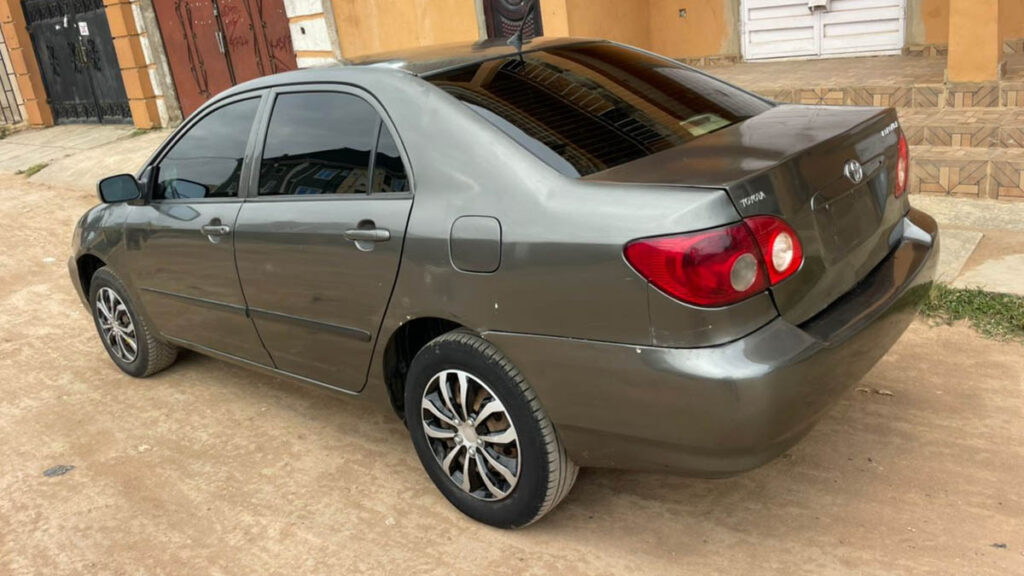
For Uber and Bolt drivers in Nigeria, choosing the right car can make the difference between good profit and constant workshop visits. With fuel prices remaining high and roads continuing to challenge vehicles daily, the best cars balance strong fuel efficiency, low maintenance costs, reliability, and good passenger comfort. In 2026, several models stand out as practical choices for ride-hailing work across different cities.Toyota vehicles continue to dominate the ride-hailing space for good reason.
The Corolla, particularly 2018–2022 models, offers excellent fuel economy in city traffic while maintaining strong reliability. Many drivers report consistent 13–16 km/l in real Lagos or Abuja conditions when the car is well maintained. Parts are readily available and relatively affordable, which keeps maintenance costs manageable even after high daily mileage. The comfortable interior and reliable air conditioning also help maintain good passenger ratings.
The Camry Hybrid has gained significant popularity among drivers who cover very high mileage. Although the initial purchase price is higher, the superior fuel economy often results in better monthly profits. Many operators find that the hybrid system pays for itself through reduced fuel expenses within the first year of intensive use. The smoother driving experience and lower engine stress also contribute to longer overall vehicle life.
Honda models like the Civic and Accord provide strong alternatives for drivers who prefer a more responsive feel. These cars offer good fuel efficiency and solid build quality that holds up well on Nigerian roads. Their reputation for durability and the availability of parts make them practical choices for drivers who want fewer surprises during long shifts.When considering profit versus maintenance, several factors matter. Fuel efficiency directly impacts daily earnings, especially in cities with heavy traffic. A car that saves even two litres per day can add substantial income over a month. Reliability reduces downtime and unexpected repair costs that eat into profits. Parts availability and mechanic familiarity with the model help keep repair costs reasonable and turnaround times short.
Maintenance costs tend to rise after the third year of intensive ride-hailing use. Budgeting for regular servicing, timely oil changes, and suspension work is essential for keeping the car profitable. Drivers who maintain their vehicles diligently often report better long-term earnings compared to those who only repair when problems become obvious.For new drivers starting out, choosing a proven reliable model with low running costs usually leads to faster profitability. Many successful operators begin with a good used Toyota or Honda and gradually upgrade as their business grows. Buying a car with complete service history and clean title helps avoid hidden problems that could affect early profits.
The most successful ride-hailing drivers treat their cars as business assets rather than just transportation. They calculate their actual cost per kilometre including fuel, maintenance, insurance, and depreciation. This helps them understand true profitability and make better decisions about when to sell and upgrade.In 2026, the best cars for Uber and Bolt drivers continue to be those that combine efficiency, reliability, and reasonable maintenance costs. Toyota and Honda models remain the safest choices for most drivers, offering the best balance of profit potential and manageable expenses. With careful selection and diligent maintenance, a good car can generate consistent income while withstanding the demands of daily ride-hailing work on Nigerian roads.
The key to success lies in choosing a vehicle that matches your specific operating conditions and committing to proper care. Drivers who understand both the profit potential and maintenance requirements of their cars tend to build more sustainable and profitable operations over time.