
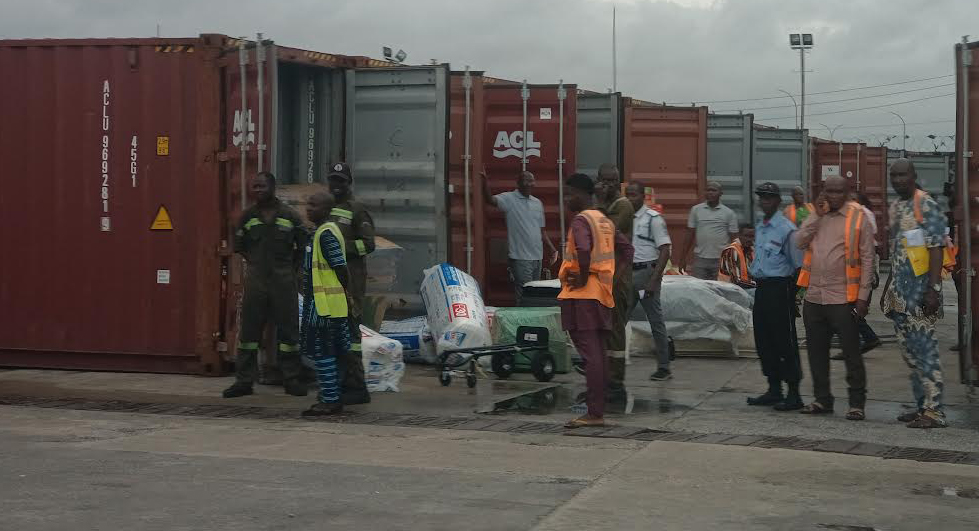
Importing a car or goods into Nigeria involves working with clearing agents, but many newcomers fall victim to scams at the port. Unscrupulous agents take advantage of first-time importers by inflating costs, delaying processes, or disappearing with payments. Understanding how the system works and recognising warning signs helps you protect your investment and complete the clearing process smoothly.Clearing agents handle the paperwork, Customs duties, and logistics needed to release your shipment from the port. Legitimate agents are registered with relevant authorities and have physical offices with verifiable contact details. They charge professional fees for their services, which include document preparation, duty calculation, and coordination with Customs officers. The entire process can be complex due to changing regulations, multiple government agencies, and various fees.
One of the most common scams involves agents demanding extra unofficial payments for “special handling” or “priority clearance.” While some facilitation fees exist in practice, legitimate agents are transparent about all costs upfront. Sudden demands for additional money after the process has started are major red flags. Another frequent trick is promising unrealistically fast clearance times to secure your business, then blaming delays on “Customs issues” while demanding more money to “resolve” them.
To avoid these problems, research agents thoroughly before committing. Ask for recommendations from trusted importers or car dealers who have successfully cleared multiple shipments. Verify their registration with the Council for the Regulation of Freight Forwarding in Nigeria (CRFFN) and other relevant bodies. A legitimate agent should be willing to provide references and show previous successful jobs.
Meet the agent in person at their office rather than relying solely on phone or online communication. A professional office with staff and proper documentation indicates legitimacy. Discuss the entire process in detail, including all expected costs and timelines. Get everything in writing with a clear contract that specifies services, payment schedule, and penalties for delays.Pay in stages rather than giving the full amount upfront. A reasonable deposit to start the process is normal, but avoid paying large sums until you see visible progress with your documents. Use bank transfers rather than cash to create a proper paper trail.Monitor the process yourself. Ask for regular updates and copies of all documents submitted to Customs. Many agents provide tracking numbers or access to online portals where you can follow the status of your shipment. If an agent becomes evasive or stops responding to calls, treat it as a serious warning sign.Working with a licensed freight forwarder who handles both shipping and clearing can reduce risks. These companies often have established relationships with Customs and better accountability structures. While they may charge more, the peace of mind and reduced chance of scams often make them worthwhile for first-time importers.
Understanding the standard clearing timeline and costs helps you spot irregularities. The process typically takes several weeks, depending on the port and completeness of documentation. Unexpected delays or sudden additional fees should prompt further questions and verification.If you suspect you are being scammed, document all communications and payments. Report the matter to the police, Customs, and relevant regulatory bodies. While recovery is not always possible, reporting helps protect others and may strengthen your case.
Preventing scams starts with education and caution. Take time to learn the basic clearing process before hiring an agent. Join importer communities and forums where experienced people share advice and warnings about particular agents.The port environment in Nigeria can be overwhelming, but with proper preparation and due diligence, you can work with reliable clearing agents and successfully bring your vehicle or goods into the country. Many importers have built successful businesses by learning from early experiences and developing good relationships with trustworthy agents over time.
Taking the right precautions when dealing with clearing agents protects your investment and reduces stress during the importation process. A little extra effort in selecting and monitoring your agent pays off through smoother operations and significant cost savings.