
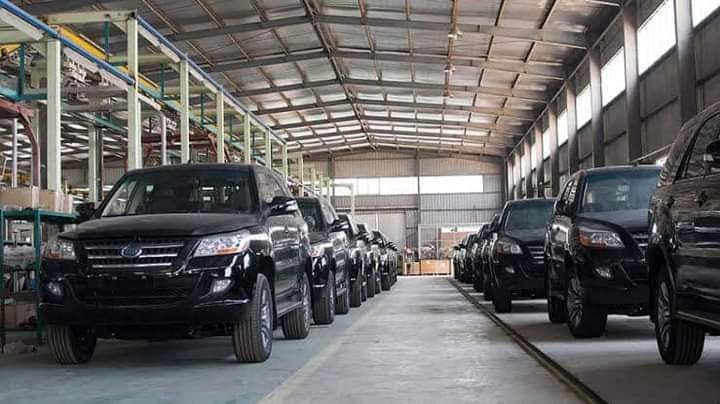
Local assembly of vehicles in Nigeria has significantly changed the car market landscape in recent years. By manufacturing or assembling cars within the country, companies can reduce costs associated with importation, duties, and shipping. This affects final prices for buyers and creates new dynamics in the market. Looking at Innoson, Nord, and Jetour provides clear examples of how local production influences affordability and availability.
Innoson Vehicle Manufacturing has been a pioneer in local assembly, producing vehicles like the Fox and G5 pickup at its plant in Nnewi. By manufacturing key components locally and assembling others, Innoson reduces dependence on full importation. This results in lower prices compared to similar fully imported vehicles. Parts availability is also better since many components are produced or stocked locally. However, some buyers still perceive locally assembled vehicles as lower quality compared to fully imported options, which can affect resale value despite competitive pricing.
Nord, another local assembler, focuses on certain SUV and commercial vehicle segments. Their approach of partnering with international brands while handling local assembly allows them to offer vehicles at prices that undercut fully imported equivalents. The cost savings come from reduced shipping expenses, lower duties on completely knocked down (CKD) kits, and utilisation of local labour. This makes their vehicles attractive to fleet operators and small businesses looking for durable options at reasonable prices.
Jetour has also entered the market through local assembly partnerships. Their SUVs and crossovers benefit from local production by offering modern features at more accessible price points than fully imported competitors. The local assembly model allows Jetour to adjust specifications to better suit Nigerian road conditions while keeping costs competitive.The main advantage of local assembly is reduced cost. Import duties on fully built units are higher than on CKD kits, which are assembled locally. This cost saving is passed on to consumers, making vehicles more affordable.
Local assembly also creates jobs and develops technical skills within the country, though the extent of true local content varies between manufacturers.However, challenges exist. Some locally assembled vehicles still rely heavily on imported components, limiting the full cost benefit. Quality perception remains an issue for some buyers who prefer the assurance of fully imported cars. Parts availability for newer locally assembled models can sometimes lag behind established brands with longer market presence.
For buyers, local assembly often means more affordable entry into newer vehicle segments. A locally assembled SUV might cost significantly less than its fully imported counterpart while offering similar features. This is particularly attractive for middle-class families and small businesses seeking reliable transportation without stretching their budgets too far.The impact on the broader market is noticeable. Increased local assembly has created more competition, which helps moderate prices across the industry. It also encourages established brands to consider local production to remain competitive. For consumers, this means more choices and potentially better value as manufacturers strive to offer attractive packages.
When considering locally assembled vehicles, research the specific model’s local content percentage, warranty terms, and after-sales support. Test drive the car and speak with current owners to understand real-world performance and maintenance experiences. Compare total ownership costs rather than just the purchase price.
Local assembly represents an important step in Nigeria’s automotive development. While not all locally assembled vehicles offer perfect value, many provide good options for buyers seeking modern features at more accessible prices. As the industry matures and local content increases, the benefits for consumers are likely to grow further.
Understanding how local assembly affects pricing helps buyers make more informed decisions. By considering factors beyond the initial price, including parts availability, service network, and long-term reliability, you can choose vehicles that offer the best overall value in the Nigerian market.