
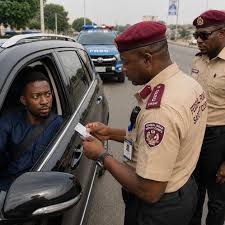
A hit-and-run leaves victims shocked, injured, and often unsure of what to do next. Acting quickly and correctly improves the chances of identifying the fleeing driver, securing medical help, and supporting any insurance or legal claim. Here is a clear, practical guide on how to handle the situation and report it properly to the Federal Road Safety Corps and the Nigeria Police.
Immediate Safety First
As soon as the impact occurs, check yourself and any passengers for injuries. If it is safe to do so, move out of the path of traffic. Switch on your hazard lights. Do not chase the other vehicle. Your priority is safety and preservation of evidence, not pursuit.Call for help immediately. The FRSC toll-free emergency number is 122. You can also dial the national emergency number 112. Clearly state that it is a hit-and-run, give your exact location (use landmarks, nearby businesses, kilometre markers, or GPS if possible), describe any injuries, and provide the direction the other vehicle fled if you saw it. Stay on the line until the operator has the necessary details.
Document Everything You Can
While waiting for help, gather as much information as possible without putting yourself at risk. Note the time, date, and precise location. If you caught the other vehicle’s registration number, colour, make, model, or any distinctive features (stickers, damage, number of occupants), write them down or record them on your phone straight away. Take photographs and short videos of your vehicle’s damage from multiple angles, the surrounding road, skid marks, traffic signs, and any debris. Capture the wider scene so the position of vehicles is clear.Speak to any witnesses. Ask for their names and phone numbers and request a brief account of what they saw. Their statements can become important later. If other vehicles stopped, note their details too.
Report Formally to the Authorities
FRSC and the Police both play roles in road crash investigation. Calling 122 alerts FRSC, which has a mandate to respond to crashes, clear obstructions, and assist with documentation. You should also report the incident at the nearest police station. A formal police report is usually required for insurance claims and any further investigation or prosecution.When you make the report, provide a clear, factual account. Include the time and place, a description of the other vehicle and driver if available, the direction of flight, your vehicle details, the nature of the damage or injuries, and the names of any witnesses.
Ask for a reference or incident number and keep a record of the officer’s name and the station. Request a copy of the report or an extract when it is ready. This document is often essential for your insurer and for any legal process.If someone is seriously injured or has died, the police will treat the matter with higher urgency. Do not leave the scene until officers indicate you may do so, especially where injuries are involved.
Seek Medical Attention and Keep Records
Even if you feel fine, get checked by a medical professional. Some injuries appear hours later. Keep all medical reports, prescriptions, receipts, and photographs of injuries. These records support both your health and any compensation claim.
Notify Your Insurance Company
Contact your insurer as soon as possible and provide the police or FRSC reference number along with your photos and details of the incident. Most policies require prompt notification. Ask specifically about coverage for hit-and-run situations and what additional documents they need. In some cases, there may be avenues for compensation through insurance mechanisms designed to assist victims of untraced drivers, so inquire about those options when filing your report.
Follow Up
Investigations take time. Stay in contact with the investigating police officer and, where relevant, FRSC. Provide any new information that comes to light, such as additional witness contacts or clearer images. Avoid posting unverified accusations on social media that could complicate the official process.
Prevention and Preparation
While no one plans for a hit-and-run, certain habits help. A working dashcam can provide crucial evidence. Keeping emergency numbers saved (122 and 112) and ensuring your vehicle documents and insurance are current reduces stress if an incident occurs. After any crash, remaining calm and methodical protects both your safety and your legal position.
Reporting a hit-and-run correctly means prioritising safety, calling the right numbers, documenting thoroughly, and obtaining official reports from the Police and FRSC. These steps give investigators the best chance of finding the responsible party and give you the documentation needed for medical care, insurance, and justice. Act promptly, stick to the facts, and follow through with the authorities. Doing so turns a chaotic moment into a clear record that can make a real difference.