
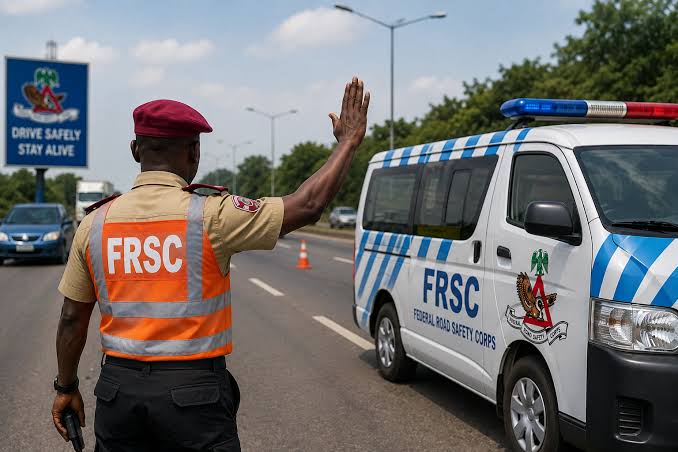
FRSC Mobile Courts have become a familiar feature of traffic enforcement across Nigeria. These special courts, set up under the powers given to Chief Judges of states and the Federal Capital Territory, allow traffic offenders to be arraigned and tried quickly, often on the same day they are booked. The aim is simple: reduce delays in the justice system for traffic cases and strengthen compliance with road safety rules. Understanding how the system works and which offences commonly lead to appearance before a mobile court helps drivers know what to expect.
A mobile court is essentially a magistrate court that sits in a temporary or designated location, sometimes near the site of an enforcement operation or at a convenient venue within a command area. FRSC patrol teams book offenders during routine patrols or special interventions and then present them before the court. The process is summary in nature. Charges are read, the offender takes a plea, and the magistrate hears the facts. Where the offender pleads guilty, sentencing can follow almost immediately. Where a not-guilty plea is entered, the prosecution presents its case and the court decides.
Many of the offences that end up in mobile courts are those that FRSC officers encounter frequently on the highways and in urban areas. Speed limiting device violations on commercial vehicles appear regularly. Driver’s licence offences, including driving without a valid licence or with an expired one, are also common. Overloading of passengers or goods, seat-belt violations, light and signal defects, worn or illegal tyres, number plate irregularities, and failure to carry required safety items such as a fire extinguisher or warning triangle frequently feature in the charge lists.
More serious matters such as dangerous driving, driving under the influence of alcohol or drugs, and certain document-related offences can also be handled by mobile courts, depending on the circumstances and the decision of the prosecuting officers. In recent operations, courts have convicted dozens of motorists in a single sitting for a mix of these violations, demonstrating the volume of cases the system processes.
The current official FRSC penalty schedule sets out fines for most of these offences. Seat-belt violation attracts ₦2,000. Light or sign violation is also ₦2,000. Driving with worn-out tyres or without a spare can attract ₦3,000. Caution sign and fire extinguisher violations sit at similar levels. Speed limit violation and driving under the influence currently carry ₦5,000 fines in the existing schedule, while driver’s licence and overloading offences are listed at ₦10,000. Dangerous driving stands at ₦50,000. Penalty points are also attached to many of these offences and can accumulate toward further sanctions, including possible licence suspension for repeat offenders.
It is important to note that the Senate passed an amendment to the FRSC Act in 2026 that proposes significantly higher penalties for several offences, including driving under the influence and certain other serious violations. As of the latest available information, that bill was awaiting presidential assent. Until any new law is fully in force and gazetted, the existing penalty schedule continues to guide most mobile court outcomes. Drivers should therefore check official FRSC communications for updates.Motorists who are booked have the option in many cases to pay the prescribed fine into the Federal Government Revenue Account through approved channels such as commercial banks or the Remita platform, selecting FRSC and the relevant offence category.
Official payment removes the need for a court appearance when the offender chooses to waive trial. Those who prefer to contest the charge appear before the mobile court. Paying informally to an officer is not an accepted procedure and exposes both parties to risk.For commercial drivers and fleet operators, the stakes are often higher. Speed limiting device compliance, passenger manifests, overloading rules, and vehicle roadworthiness are areas of repeated focus during special operations. A single intervention can result in multiple vehicles and drivers being presented before the court on the same day.
Mobile courts exist to deliver faster justice and reinforce the message that traffic rules will be enforced. The most reliable way to avoid them is straightforward compliance: carry valid documents, ensure the vehicle is roadworthy, obey speed and loading limits, use seat belts, and follow the instructions of marshals on duty. When an offence is alleged, remaining calm, understanding the charge, and following official payment or court processes protects the driver’s interests better than confrontation or informal arrangements.
By knowing which offences commonly lead to mobile court and what the current fines look like, Nigerian drivers can make better decisions on the road and handle any encounter with enforcement in an informed manner. The system is designed for speed and deterrence; the best response is still prevention through consistent obedience to the rules.