
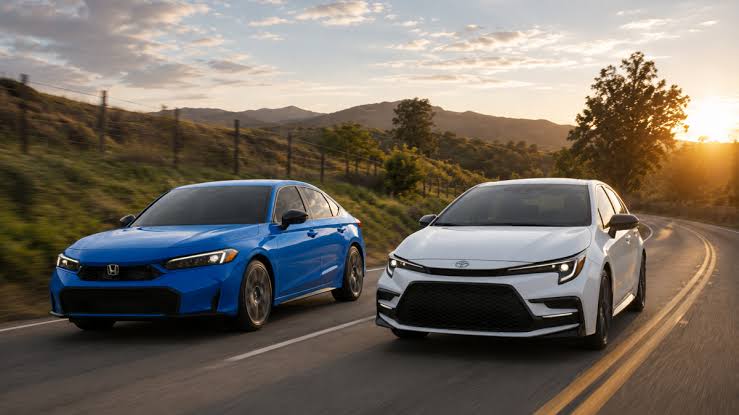
In Nigeria the debate between the Toyota Corolla and the Honda Civic is one of the most common among buyers looking for a reliable, fuel-efficient saloon. Both cars have earned strong reputations for durability, but when the focus shifts strictly to long-term maintenance cost, small differences begin to matter. Understanding those differences helps owners budget more accurately and choose the car that will cost less to keep on the road over several years.
Both the Corolla and the Civic are among the cheapest mainstream cars to maintain in Nigeria. Their engines are relatively simple, spare parts are widely available in major markets such as Ladipo, and most roadside and independent mechanics can work on them without specialised tools. Routine servicing (engine oil, oil filter, air filter, and basic checks) typically falls in a similar price range for both models when genuine or good-quality aftermarket parts are used.
Annual routine maintenance for a carefully driven example of either car often sits between ₦150,000 and ₦350,000 depending on mileage, driving conditions, and whether the owner uses a dealer or a trusted independent workshop.Where the Corolla usually pulls slightly ahead is in the everyday cost and availability of common wear items. Brake pads, shock absorbers, stabiliser links, ball joints, and engine mounts tend to be marginally cheaper and easier to source for the Corolla because of the sheer number of these cars on Nigerian roads. Mechanics are also more familiar with Toyota patterns of wear, which can reduce labour time and the risk of trial-and-error diagnosis.
In high-traffic cities where suspension components take a beating from potholes and speed bumps, this small advantage adds up over time.The Civic is by no means expensive to maintain, but certain parts and fluids can cost a little more. Honda’s preference for specific transmission fluid (especially on CVT-equipped models from the later years) means owners must be careful. Using the wrong fluid or delaying a CVT fluid change can lead to expensive problems later. While many older Civics with conventional automatic gearboxes are straightforward, the newer CVT versions require stricter adherence to service intervals in Nigeria’s hot climate and stop-go traffic.
Labour rates are similar to the Corolla, yet some Honda-specific sensors, switches, and suspension bushes can carry a modest premium compared with equivalent Toyota parts.Fuel economy is close between the two, so running costs outside of maintenance are comparable. Both return good figures when driven sensibly. The Corolla often edges ahead slightly in real-world Nigerian mixed driving for many owners, which indirectly lowers the overall cost of ownership. Resale value also favours the Corolla in most segments of the used market, meaning the car that costs a little less to maintain also tends to lose less value when it is time to sell.
Reliability records support the idea that both cars are low-drama, but the Corolla has historically shown a slight advantage in avoiding major unexpected repairs at higher mileages. The Civic can be every bit as dependable when properly serviced, yet some model years have had more reports of issues with specific components such as air-conditioning systems or certain electrical items. These are not deal-breakers, but they can influence the long-term maintenance bill.
Driver behaviour and maintenance discipline matter more than the badge. A neglected Corolla will cost more than a well-serviced Civic, and the reverse is equally true. Regular oil changes with the correct grade of oil, timely replacement of filters, attention to suspension noises, and avoidance of flooded roads will keep either car cheap to run. Buying a clean example with verifiable service history remains the single most effective way to control future costs.For pure maintenance cost over a five-to-seven-year ownership period in typical Nigerian conditions, the Toyota Corolla generally comes out a little cheaper. The difference is not dramatic, but it is consistent enough that many mechanics and long-term owners notice it.
The Honda Civic remains an excellent alternative for drivers who prefer its sharper handling and are willing to stay on top of model-specific service requirements.In the end both cars reward careful ownership with low running costs compared with almost anything else in their class. The Corolla simply offers a slight edge in parts pricing, mechanic familiarity, and overall predictability, making it the more economical choice for drivers whose priority is keeping maintenance expenses as low as possible.