
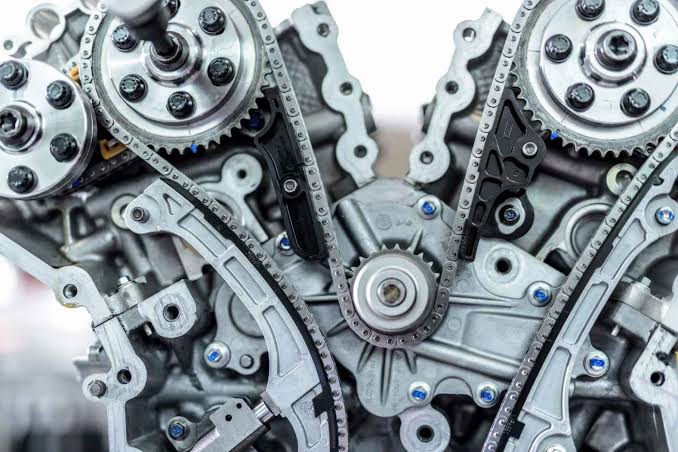
Buying a Tokunbo car in Nigeria often means inheriting a vehicle with an unknown service history. One of the most critical items to verify is the timing belt, especially on older Japanese models that still dominate the used market. A timing belt keeps the crankshaft and camshaft in precise sync so the valves open and close at the right moments. When it snaps on an interference engine, the pistons can collide with the valves and cause expensive internal damage.
Knowing the recommended replacement interval and acting on it can save a car from becoming a costly paperweight.Not every popular Tokunbo uses a timing belt. Many newer engines switched to timing chains, which are designed to last the life of the engine if oil changes are kept up. Belts, being rubber, degrade with heat, age, and mileage. Manufacturers therefore publish specific intervals, usually expressed as a mileage figure or a number of years, whichever comes first. In Nigeria’s hot climate the time factor becomes especially relevant even if the car has covered fewer kilometres than the mileage limit.
Among Toyota models, the picture is clear once you know the year. Corollas from 1990 to 1997 generally use a timing belt with a typical replacement recommendation around 60,000 miles. From 1998 onward most Corollas moved to a timing chain and no longer require scheduled belt changes. Camry four-cylinder engines up to roughly 2001 also used belts, commonly scheduled around 60,000 to 90,000 miles depending on the exact engine. Later four-cylinder Camrys and most post-2006 V6 versions switched to chains. Older V6 Camrys and related models often carried belts into the mid-2000s with intervals in the 90,000-mile range. Always confirm the specific engine code because Toyota made gradual changes across markets.
Honda follows a similar pattern. Many four-cylinder Accords and Civics from the late 1990s and early 2000s used timing belts, with common recommendations of 90,000 to 105,000 miles or about seven years. Honda V6 engines kept timing belts much longer; several Odyssey, Pilot and Accord V6 variants still used belts well into the 2010s, often with a 105,000-mile or seven-to-eight-year interval. Most newer four-cylinder Hondas moved to chains, so a post-2006 Civic or later Accord four-cylinder is unlikely to need a belt service. The presence of a V6 is a strong clue that a belt may still be involved.Other Tokunbo favourites show the same generational split.
Older Hyundai and Kia four-cylinder engines frequently used belts with intervals around 60,000 to 90,000 miles. Certain Subaru models with the EJ-series engines carried belts scheduled at approximately 105,000 miles or seven and a half years. When in doubt, the safest approach is to identify the exact engine and consult the manufacturer’s schedule or a reliable workshop database.For any Tokunbo car whose history is incomplete, treat the timing belt as due. A previous owner may have ignored the interval, or the car may have sat for years in a climate that hardens rubber.
Heat under the bonnet in Nigerian traffic accelerates ageing even when the odometer reading looks modest. Dust and occasional oil leaks can also shorten belt life. Many specialists therefore recommend replacement on high-mileage or older examples as soon as the car is acquired, unless clear documentary proof of recent work exists.When the belt is changed, the water pump, tensioner, idler pulleys and related seals should be replaced at the same time. Labour already requires substantial dismantling, so completing the full kit prevents a second expensive job a short while later. Using quality parts matters; cheap belts and tensioners fail earlier and can leave the engine unprotected.There are rarely dramatic warning signs before a belt fails. Occasional ticking or a slight loss of power may appear, but many belts simply break without notice. That is why the scheduled interval exists.
After replacement, keep a record of the mileage and date so the next owner or your future self knows when the following service is due.In practical terms, owners of popular Tokunbo models should first establish whether their engine uses a belt or a chain. A quick search using the year, make, model and engine size usually provides the answer. If a belt is present and the interval has been reached or the history is unknown, schedule the work with a competent mechanic who understands the specific engine. The cost of a proper timing-belt service is far lower than the cost of repairing bent valves and damaged pistons.
Ignoring the interval on a belt-driven engine is one of the more expensive gambles a Tokunbo owner can take. Respecting the manufacturer’s mileage and time limits, especially under Nigerian operating conditions, keeps the engine intact and the car reliable for years longer.