
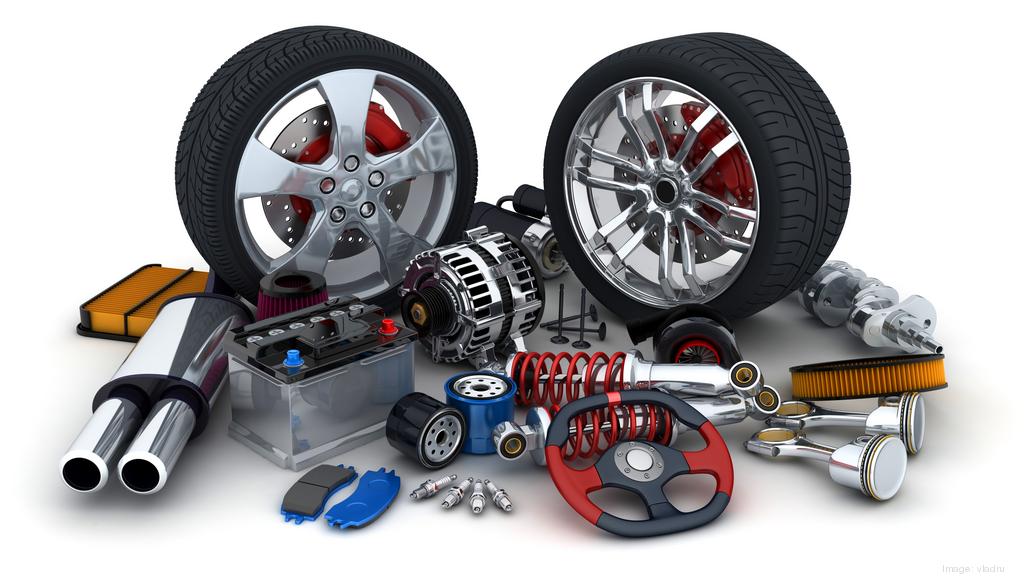
Walking through a busy auto-parts market in Nigeria can feel overwhelming. Stalls are packed with boxes bearing familiar brand names, prices vary widely, and sellers speak with confidence. Yet a significant share of what is on offer is either counterfeit, substandard, or misrepresented. Fitting the wrong part can lead to rapid failure, higher long-term costs, or safety risks. Learning to recognise the warning signs protects both the vehicle and the buyer’s wallet.Price is often the first clue. Genuine or high-quality aftermarket parts carry a cost that reflects materials, manufacturing standards, and distribution. When an identical-looking item is offered at a fraction of the usual market rate, caution is required.
Extremely cheap brake pads, filters, or sensors rarely deliver genuine performance. Comparing prices across several sellers helps establish a realistic range. A deal that seems too good to be true usually is.Packaging provides another clear indicator. Authentic parts normally arrive in well-printed boxes with sharp logos, correct spelling, clear part numbers, and often holograms or security seals. Counterfeit packaging frequently shows blurred printing, incorrect fonts, spelling mistakes, or flimsy cardboard. Labels may look like photocopies rather than original prints. Holograms on fakes often lack the shifting colours or fine detail of genuine ones. If the box appears reused, resealed, or damaged in a way that suggests tampering, walk away.
The part itself should be examined closely. Genuine components have clean casting marks, consistent finishes, and proper weight for their size. Counterfeit items often feel lighter because inferior materials were used. Edges may be rough, threads poorly cut, or surfaces uneven. Logos stamped or moulded into the metal or plastic should match the official design exactly in style, depth, and placement. Misspelled brand names or slightly altered logos are common giveaways.
Part numbers deserve careful attention. Most legitimate parts carry a unique number that can be cross-checked against manufacturer catalogues or reliable online databases. If the number is missing, incomplete, or does not correspond to the claimed application, the part is suspect. Sellers who cannot or will not provide the number, or who discourage inspection, should raise immediate concern.
Certain categories of parts are counterfeited more frequently because they are high-volume and safety-critical. Brake pads and discs, oil filters, air filters, fuel filters, and spark plugs appear regularly in fake form. A counterfeit oil filter may contain little or no filter media. Fake brake pads can use inadequate friction material that fades under heat or wears out in days. Cheap sensors may fit physically but deliver inaccurate readings. These items deserve extra scrutiny.Seller behaviour also offers useful signals.
Established traders who specialise in particular brands or vehicle types and who keep records or offer basic guarantees tend to be more reliable. Sellers who rush the transaction, refuse to allow close inspection, or become defensive when asked about origin or part numbers are best avoided. Building a relationship with one or two trusted suppliers over time is one of the most effective long-term strategies. Mechanics who buy regularly often know which stalls consistently supply usable parts and which ones to skip.
Tokunbo or used parts form a separate category. They can be genuine and serviceable, yet they still require careful inspection for wear, damage, or previous poor repairs. A used part sold as new is another form of misrepresentation. Clear labelling and honest description help distinguish legitimate used components from deceptive ones.When buying online or through intermediaries, the risks increase because physical inspection is limited. Insist on clear photographs of the actual part and packaging, verify part numbers independently, and prefer sellers with verifiable physical locations and return policies. For critical safety items it is often wiser to purchase from recognised distributors or well-reviewed specialist shops even if the price is higher.
No single check is foolproof, but combining several reduces the chance of being caught. Compare price with known market rates, examine packaging quality, inspect the physical part for finish and weight, verify the part number, and pay attention to the seller’s willingness to answer questions. Over time these habits become automatic and save both money and trouble. In a market where counterfeits are common, careful observation remains the buyer’s strongest protection.