
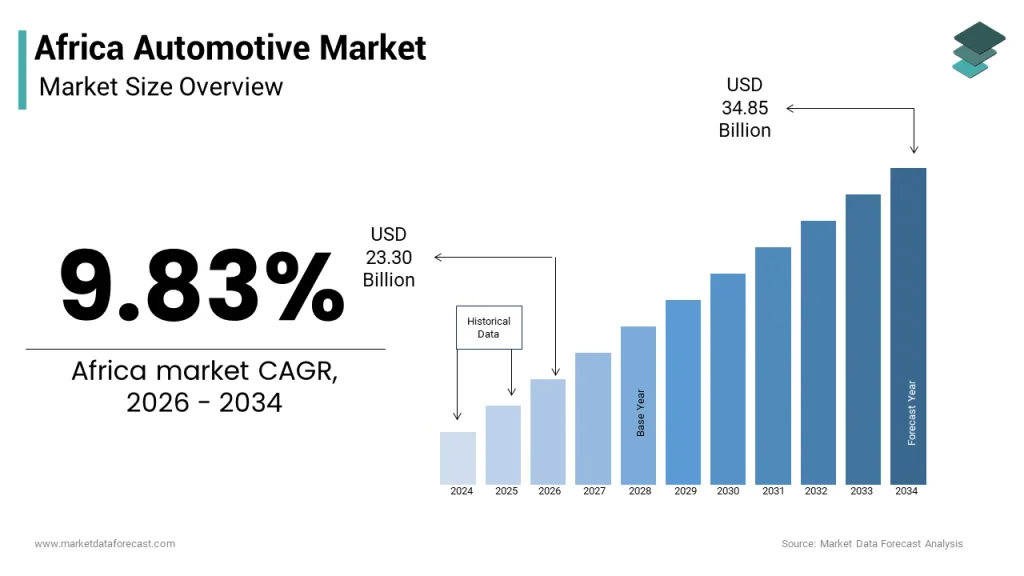
Africa’s automotive landscape is attracting more deliberate attention from global and Chinese manufacturers as they look beyond traditional markets. Between 2026 and 2030 the emphasis is shifting from pure importation toward greater local assembly, expanded dealer networks, and selective investment in electrified models. The plans vary by company, yet they share a recognition that rising urban populations, high fuel costs in many countries, and government interest in industrialisation create long-term opportunity.
Stellantis has placed the Middle East and Africa among the growth priorities of its broader 2030 strategy. The group aims for substantial revenue expansion in the region through higher localisation of production, improved factory utilisation, and products better matched to local conditions. Existing operations in Morocco, Algeria and other markets provide a base that the company intends to leverage more fully. The approach combines continued reliance on established brands such as Peugeot and Fiat with greater flexibility for regional teams to adapt specifications and sourcing.Chinese manufacturers are pursuing some of the most visible new commitments. Chery has taken control of the former Nissan plant at Rosslyn near Pretoria and plans to begin local production around mid-2027. The facility is intended to serve as a manufacturing, export and regional operations hub for Africa, with a mix that includes electrified models under Chery and related brands such as Jetour. The investment signals a move from import sales toward deeper industrial presence in South Africa, the continent’s most developed automotive manufacturing base.
BYD has followed a different near-term path while still expanding rapidly. The company has focused on building dealership coverage, particularly in South Africa, and on supporting charging infrastructure in partnership with local entities. Its strategy prioritises market share through competitive imported electric and hybrid models while the broader ecosystem develops. Plans to increase the number of retail outlets and fast-charging points through 2026 and beyond aim to reduce practical barriers to adoption. Other Chinese firms, including BAIC and Great Wall Motor, already maintain assembly or component activities in South Africa and continue to evaluate further steps.
Morocco remains a cornerstone for European volume producers and an increasingly important node for battery and component investment. Renault’s large plants and Stellantis operations already export significant volumes, especially to Europe. Chinese battery and automotive suppliers have added further capital, reinforcing Morocco’s role as a cost-competitive, trade-agreement-enabled manufacturing platform with proximity to European markets. This dual orientation serving both African demand and European export gives the country a distinct position in continental plans.
Established players such as Toyota and the Volkswagen Group continue to anchor production in South Africa and maintain assembly or distribution footprints elsewhere. Their focus for the coming years centres on sustaining export competitiveness, introducing more efficient powertrains, and protecting market share against newer entrants. Commercial-vehicle specialists also retain strong positions in markets where pickup trucks, vans and buses dominate fleet demand.
Across the continent the common themes are localisation incentives, the search for scale, and preparation for a gradual rise in electrified vehicles. Governments that raise duties on fully built-up imports while offering support for assembly encourage manufacturers to plant more capital. Chinese companies, facing tighter conditions in some Western markets, see Africa as a growth frontier where competitive pricing and willingness to localise can open doors. European and Japanese manufacturers defend existing industrial bases while selectively expanding product ranges.
Challenges remain substantial. Currency volatility, infrastructure gaps, limited supplier depth outside South Africa and Morocco, and uneven policy continuity all affect the pace of investment. Electric-vehicle uptake is still constrained by charging availability and electricity reliability in many countries. Nevertheless, the direction of announced plans for 2026–2030 is clear: more assembly, denser distribution networks, and a gradual increase in electrified offerings. The result is likely to be a more contested and industrially active African automotive market in which global and Chinese manufacturers compete not only on price and product but on the depth of their local commitments.