
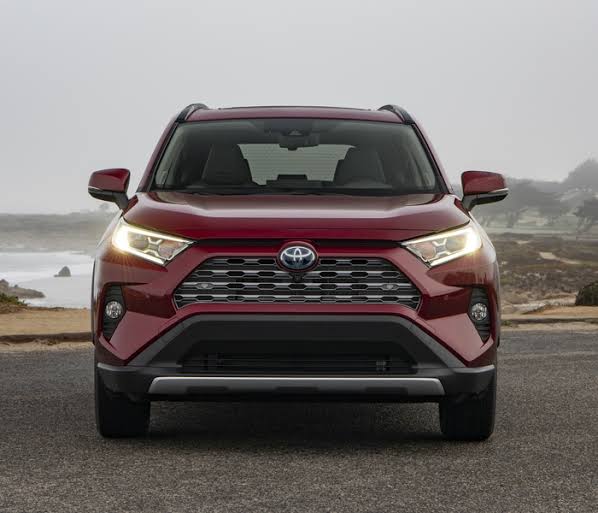
Toyota has spent more than two decades refining its hybrid technology, and the current generation represents a clear step forward in efficiency, responsiveness and packaging. The fifth-generation Toyota Hybrid System, often referred to as THS 5, pairs a petrol engine with one or more electric motors and a compact battery in a way that feels seamless to the driver. Energy that would normally be lost during braking is captured and reused, the engine shuts off when it is not needed, and the electric motor provides instant torque for smoother take-offs and better low-speed performance.In practical terms the system delivers higher combined power than earlier versions while using less fuel.
Models such as the Corolla Hybrid, Camry Hybrid and Prius achieve strong official consumption figures, and real-world results in mixed driving remain impressive. The battery is charged by the engine and by regenerative braking, so the vehicle never needs to be plugged in. This self-charging character is one of the technology’s biggest advantages in markets where public charging networks are still limited.
Toyota continues to develop the hardware around the hybrid system. Newer, more compact engines are being introduced that are smaller, lighter and more efficient than the units they replace. These engines are designed to work optimally with the hybrid transmission and can, in principle, run on a range of fuels including certain synthetic and bio options. The company has also expanded its electrified line-up to include plug-in hybrids for drivers who want longer electric-only range when charging is available. The overall strategy remains multi-pathway: hybrids for broad accessibility, plug-in hybrids for greater electric capability, and battery-electric vehicles where infrastructure and demand support them.For Nigeria the implications are straightforward and largely positive. Fuel prices remain high after the removal of subsidies, so any technology that meaningfully reduces consumption delivers immediate savings. A well-maintained Toyota hybrid can return significantly better kilometres per litre than an equivalent conventional petrol model, especially in the stop-and-go traffic that characterises Lagos, Abuja and other major cities. Because the system is self-charging, owners do not depend on public chargers or stable grid power to enjoy the efficiency benefits
.Toyota’s strong existing presence in the Nigerian market further supports adoption. Camry, Corolla and RAV4 models already enjoy widespread recognition, extensive parts availability and a large network of mechanics familiar with the brand. Hybrid versions of these vehicles, whether imported as newer units or available as quality Tokunbo examples, benefit from that established ecosystem. Service procedures for the hybrid system are well documented, and specialised diagnostic tools are increasingly available at authorised and independent workshops that focus on Toyota products.There are still practical considerations.
Hybrid batteries have a finite life, although Toyota’s long experience and warranty support on newer vehicles provide reassurance. Replacement costs, when eventually required, are higher than routine service items, so buyers should factor long-term ownership into their calculations. Driving style also influences results; the greatest savings appear in urban and mixed driving where regenerative braking can recover energy frequently. On long, high-speed highway runs the advantage narrows, though it does not disappear.The technology also aligns with broader economic pressures. Lower fuel use reduces the impact of price volatility at the pump. For fleet operators and high-mileage private owners the cumulative savings can be substantial.
At the same time, hybrids avoid the range anxiety and charging dependence that still limit pure electric vehicles for many Nigerian drivers.Toyota’s latest hybrid systems are not experimental. They are mature, refined and already proven across millions of vehicles worldwide. In the Nigerian context they offer a pragmatic bridge: meaningful reductions in fuel consumption and running costs without requiring a complete change in refuelling habits or dependence on still-developing charging infrastructure. As more recent hybrid models enter the market through official channels and the Tokunbo trade, the technology is likely to move from a niche choice to a mainstream option for drivers seeking reliability and lower operating expenses in a high-fuel-cost environment.