
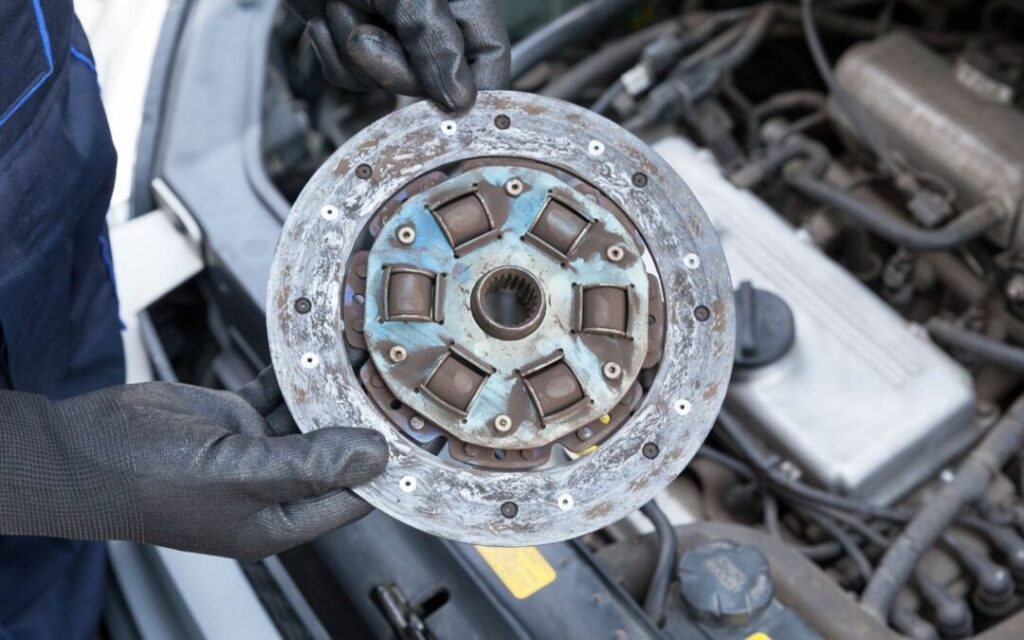
I have spent years under the bonnets of manual cars in Lagos and Abuja, and after reading through service manuals from Toyota, Honda, and even some older European models like Peugeot, plus talking to fellow mechanics who see this every day, I know clutches take a beating here. In Nigeria, with our endless traffic, potholes that jolt everything, and heat that dries out parts faster, a clutch can go from fine to finished in months if you ignore the signs. The clutch connects your engine to the transmission, letting you change gears smoothly. When it starts failing, you get jerky shifts, lost power, or worse, a breakdown in the middle of Third Mainland Bridge. Catching issues early saves you from a 150,000 to 300,000 naira replacement. Let us go through the main signs, based on what I have seen and researched, so you can spot them yourself.
First sign: slipping gears. This is the classic one. You press the accelerator, the engine revs high like it is working hard, but the car does not speed up as it should. It feels like the power is not getting to the wheels. In manuals, this happens because the clutch disc is worn and cannot grip the flywheel properly anymore. From Toyota guides I checked, slipping starts subtle in second or third gear on inclines, like climbing the hills in Enugu or Jos. In our traffic, it shows when you try to pull away from a stop. If it slips in higher gears at highway speeds, like on Abuja to Kaduna, pull over soon, the clutch is close to total failure.
Second: hard shifting or grinding noises. When you change gears, it should be smooth with just a light push. If the stick feels stiff, or you hear a grinding sound like metal on metal, the clutch is not disengaging fully. This could be from a worn throw-out bearing, which presses the clutch when you step on the pedal, or low hydraulic fluid in cars with clutch masters. Honda manuals mention grinding often points to contaminated fluid or air in the lines. In Nigeria, dust from harmattan gets into seals, causing this quicker. Test it in neutral: if shifting is hard even with the engine off, it might be the linkage, but with engine on, it is likely clutch related.
Third: the clutch pedal feels wrong. Pay attention to how it pushes. If it is spongy, sinks to the floor without resistance, or vibrates under your foot, something is off. A spongy pedal usually means air in the hydraulic system or a leaking slave cylinder. If it sticks or does not return fully, the return spring or pivot might be broken. From my experience with older Corollas and Civics, heat expands fluids, making pedals feel loose in summer. But if the bite point, where the clutch engages, moves higher toward the top of the pedal travel, the disc is thinning out. Adjust if possible, but high bite often means replacement time.
Fourth: burning smell after shifting. That sharp, acrid odor like burnt toast coming from under the car is overheated clutch material. It happens when the clutch slips and friction generates too much heat. Peugeot docs I read warn this is common in stop-go traffic, like in Onitsha or Port Harcourt markets. If you smell it often, especially after hill starts or carrying loads, stop driving hard and get it checked. Ignoring it burns the disc completely, leading to total slippage.
Fifth: chattering or judder when engaging. As you let the pedal up, the car shakes or judders like it is stuttering forward. This vibration comes from uneven wear on the clutch disc or flywheel. In research from Volkswagen service bulletins, chattering points to oil contamination from a leaking rear main seal, or warped pressure plate from overheating. In our wet seasons, water can splash in if seals fail, worsening it. It starts mild but gets violent, making takeoffs embarrassing in traffic.
Sixth: unusual noises in neutral. With the engine running and clutch pedal up in neutral, listen for rattling or whining. That could be the release bearing wearing out. Press the pedal, and if the noise stops, it confirms. Ford manuals say bearings last 100,000 kilometers normally, but in Nigeria, bad driving habits like riding the clutch cut that in half. Whining that changes with engine speed might be the input shaft bearing, but both tie to clutch health.
Seventh: reduced power or stalling. If the car stalls easily when starting from stop, or lacks pull in gears, the clutch might not be engaging fully. Stalling happens if the pedal free play is wrong, too much or too little. From my fixes on Hilux pickups, which haul loads often, poor engagement from worn components saps torque. Check free play: there should be about 1 to 2 centimeters of pedal movement before resistance.
Eighth: fluid leaks under the car. Look for spots where you park. Clear or light brown fluid near the bell housing is clutch hydraulic fluid, meaning a master or slave cylinder leak. This leads to low pressure and all the pedal issues above. In coastal areas like Lagos, salt air corrodes lines faster. Manuals from Hyundai emphasize checking levels monthly, top up with DOT 3 or 4 as specified.
If you spot these signs, do not wait. A full clutch job involves disc, pressure plate, bearing, and sometimes flywheel resurfacing. DIY if skilled, but most need a mechanic, 100,000 to 250,000 naira parts and labor for popular cars. Prevent by not riding the pedal in traffic, use the right gear for speed, and avoid dumping the clutch for quick starts. Change hydraulic fluid every two years, as heat breaks it down.
From all the engines I have saved, early action is key. Listen to your car, it tells you when the clutch is fading. Next time in traffic, note how it shifts. Spotting bad signs early keeps you moving without the big bill.